

When people hear about insulin resistance, they usually connect it with diabetes, weight gain, or conditions like PCOS in women. But what many men don’t realize is that insulin resistance in male fertility is also an important health concern.
Yes, insulin resistance is not just a women’s issue. It can quietly affect men too, especially their hormones, sperm health, and chances of becoming a father.

Free Thursday Consultation
Book Your AppointmentToday, many men are dealing with poor lifestyle habits like sitting for long hours, eating processed food, sleeping less, and dealing with stress. Over time, these habits can lead to metabolic problems like insulin resistance, which may silently reduce fertility without obvious warning signs.
The good news? Early diagnosis and proper treatment can improve both metabolic health and reproductive outcomes.
What Is Insulin Resistance?
Insulin is a hormone produced by the pancreas that helps move sugar (glucose) from your bloodstream into your cells, where it is used for energy.In insulin resistance, the body’s cells stop responding properly to insulin.

Think of it like your body ignoring insulin’s instructions.
As a result:
- Blood sugar levels begin to rise
- The pancreas produces more insulin to compensate
- Over time, this may lead to prediabetes or Type 2 diabetes
This condition does not just affect sugar levels. It also impacts hormones, inflammation, fat storage, and overall reproductive health.
That is why male fertility diabetes insulin issues are now getting more attention in fertility clinics.
How Insulin Resistance Affects Male Hormones
Hormones work like a team. When one hormone gets disturbed, others follow.
In men, insulin resistance can directly interfere with reproductive hormones.
1. Lower Testosterone Levels
One major effect of insulin resistance testosterone imbalance is reduced testosterone production.
Low testosterone can lead to:
- Reduced libido
- Fatigue
- Poor muscle mass
- Mood changes
- Reduced sperm production
Testosterone is essential for sperm development. If levels drop, fertility can suffer.
2. Increased Estrogen in Men
Men with insulin resistance often carry excess body fat, especially belly fat.
Fat tissue converts testosterone into estrogen through an enzyme called aromatase.
This means:
- Testosterone decreases
- Estrogen increases
This hormonal imbalance further disrupts sperm production and reproductive function.
3. Hormonal Signaling Gets Disrupted
The brain communicates with the testes through hormones like LH and FSH. Insulin resistance can interfere with this signaling pathway, affecting sperm development.
Simply put: the reproductive system starts receiving mixed signals.
Impact of Insulin Resistance on Male Fertility
Many men with metabolic issues are surprised to learn that insulin resistance infertility men is a real concern.

Here’s how insulin resistance affects sperm:
Low Sperm Count
Insulin resistance can reduce sperm production, leading to fewer sperm available for fertilization.
Poor Sperm Motility
Sperm need energy to swim toward the egg. But metabolic dysfunction affects mitochondrial function (the energy factories of cells), resulting in sluggish sperm movement. This directly impacts insulin resistance sperm quality.
Abnormal Sperm Morphology
Morphology refers to sperm shape.
Poor metabolic health increases the chances of abnormal sperm structure, making fertilization harder.
Increased DNA Damage
Oxidative stress is common in insulin resistance.
This increases free radicals in the body, which can damage sperm DNA.
DNA damage may lead to:
- Failed fertilization
- Poor embryo quality
- Miscarriage risk
Erectile Dysfunction
In some men, insulin resistance damages blood vessels and circulation.
This may cause erectile dysfunction, adding another fertility challenge.
Causes and Risk Factors
Several factors increase the risk of insulin resistance.
Obesity
Especially abdominal obesity or “belly fat.” Waist fat is metabolically active and strongly linked to insulin resistance.
Sedentary Lifestyle
No movement, no metabolism. Long sitting hours, desk jobs, and low activity levels increase insulin resistance risk.
Poor Diet
A diet high in:
- Sugary drinks
- Refined carbs
- Fast food
- Processed snacks
can worsen insulin sensitivity.
Genetics
Family history matters. If your parents have diabetes or metabolic syndrome, your risk may be higher.
Chronic Stress and Poor Sleep
Stress raises cortisol, which affects insulin function. Poor sleep also disrupts glucose metabolism and hormone regulation. Together, they become a fertility nightmare.
Symptoms to Watch For
Insulin resistance can be silent.
But some warning signs include:
- Unexplained weight gain
- Fatigue or constant tiredness
- Sugar cravings
- Brain fog
- Low libido
- Erectile issues
- Difficulty conceiving
- Dark skin patches around neck or underarms (acanthosis nigricans)
If these sound familiar, it may be time for evaluation.
Diagnosis at Xenith IVF
At Xenith IVF, male fertility is evaluated from both reproductive and metabolic angles.
Tests may include:
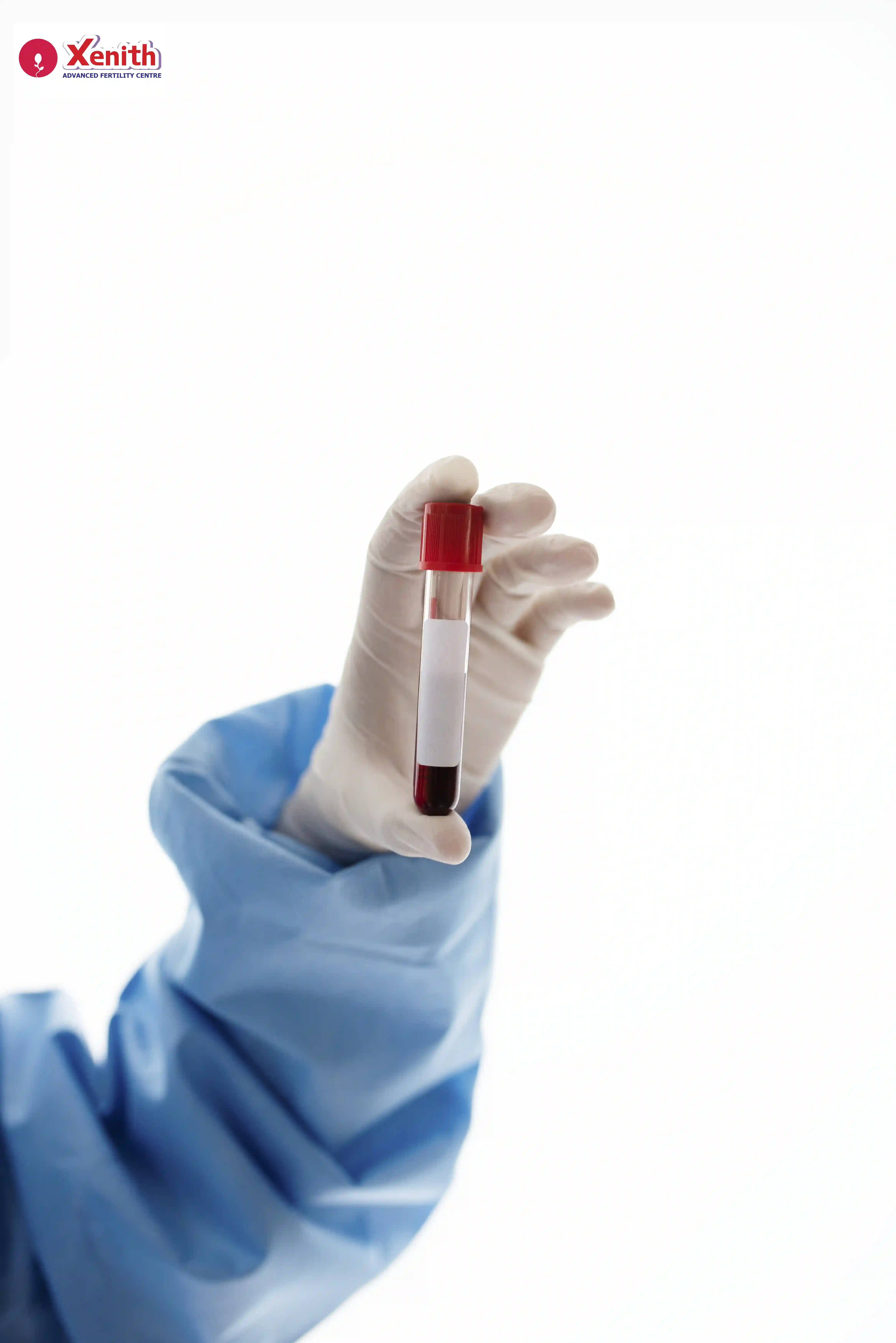
Blood Tests
- Fasting blood glucose
- HbA1c
- Fasting insulin levels
These help detect diabetes, prediabetes, and insulin resistance.
Hormonal Profile
- Testosterone
- LH
- FSH
- Prolactin
- Estradiol
This checks hormone balance.
Semen Analysis
A semen test evaluates:
- Count
- Motility
- Morphology
- Volume
This helps identify fertility issues related to metabolism.
Treatment Options
The best part? Insulin resistance is manageable.
Medical Management
Doctors may prescribe medication to improve insulin sensitivity. Common treatment options may include insulin-sensitizing medicines and hormone support if required. Treatment depends on individual reports.
Lifestyle Changes
This is where real magic happens.
Weight Management
Even losing 5–10% of body weight can improve insulin sensitivity significantly.
Balanced Diet
A fertility-friendly diet includes:
- High fiber foods
- Protein-rich meals
- Healthy fats
- Low sugar intake
Focus on:
- Whole grains
- Vegetables
- Nuts
- Seeds
- Lean protein

Exercise
Regular activity improves insulin response.
Aim for:
- Walking
- Strength training
- Yoga
- Cycling
At least 150 minutes weekly is ideal.
Stress Reduction
Meditation, breathing exercises, and proper sleep can improve metabolic and hormonal balance.
Can Fertility Improve After Treatment?
Yes, absolutely.
In many men, fertility improves after treating insulin resistance.
Benefits may include:
- Better testosterone levels
- Improved sperm count
- Better motility
- Reduced DNA damage
- Improved sexual health
However, sperm development takes about 70–90 days.
So improvement may take a few months.
When Should You See a Fertility Specialist?
Consult a fertility expert if:
- You have been trying to conceive without success
- You have diabetes or prediabetes
- You are overweight with fertility concerns
- Your semen analysis is abnormal
- You experience erectile dysfunction or low libido
Waiting too long rarely helps.
Why Choose Xenith IVF?

Xenith IVF offers a complete approach to insulin resistance reproductive health men concerns.
Why patients choose Xenith IVF:
- Advanced male fertility diagnostics
- Comprehensive metabolic and hormonal assessment
- Personalized treatment plans
- Experienced fertility specialists
- End-to-end reproductive care
We understanf that male fertility is not just about sperm, it is about overall health.
FAQs
Yes. Insulin resistance can affect hormones, sperm production, motility, and DNA quality, contributing to infertility.
Yes. It commonly lowers testosterone and may increase estrogen levels in men.
Yes. With proper lifestyle changes and treatment, sperm quality often improves over time.
In many cases, yes. Weight loss, exercise, diet changes, and medical support can significantly improve insulin sensitivity.
Yes, especially if you have weight gain, diabetes risk, fatigue, or abnormal semen analysis.
Conclusion
Insulin resistance is a hidden but important cause of male infertility. It affects hormones, sperm quality, sexual health, and overall reproductive function.
The good news is that it is often manageable with the right lifestyle changes, medical support, and early diagnosis.
If you are facing fertility issues and suspect metabolic problems, don’t ignore the signs.
Book a consultation with Xenith IVF today and take the first step toward better reproductive health and parenthood.