
Xenith Hope Circle
Join our new WhatsApp community
Are you facing fertility issues or undergoing IVF treatment? You’re not alone in this journey; we’re here to provide support.
* All identities remain anonymous, ensuring a safe and confidential space.
What is In-Vitro Fertilization (IVF)?
- Definition of IVF: In-Vitro Fertilization (IVF) is a type of assisted reproductive technology (ART) where an egg is combined with sperm outside the body in a laboratory setting. The fertilized egg, now an embryo, is then implanted into the uterus to achieve pregnancy. IVF is widely used to overcome various fertility challenges, providing hope to couples struggling with infertility.
- Overview of the Process: IVF involves multiple steps, including ovarian stimulation, egg retrieval, fertilization, and embryo transfer. The process allows fertilization to occur outside the body, increasing the chances of a successful pregnancy, especially in cases where natural conception is difficult or impossible.
- How It Differs from Other Fertility Treatments: Unlike other fertility treatments such as intrauterine insemination (IUI), IVF involves the direct handling of both eggs and sperm in a controlled laboratory environment. This level of control allows for higher precision and success rates, making IVF the preferred option for complex infertility cases.
Who is IVF For?
- Ideal Candidates for IVF Treatment: IVF is often recommended for couples who have been unsuccessful with other fertility treatments or have specific medical conditions, such as blocked fallopian tubes, severe male infertility, or unexplained infertility. It is also an option for older women or those with diminished ovarian reserve.
- Common Infertility Issues Treated by IVF: IVF is particularly effective for treating infertility caused by endometriosis, ovulation disorders, tubal factors, and low sperm count or motility. It is also used in cases where genetic issues are a concern, as preimplantation genetic testing can be performed on embryos before transfer.
- Considerations Before Choosing IVF: Before opting for IVF, couples should consider the emotional, physical, and financial implications. IVF requires significant commitment and can be emotionally taxing. It’s essential to discuss with your healthcare provider whether IVF is the best option for your specific situation.
IVF Procedure Step-by-Step
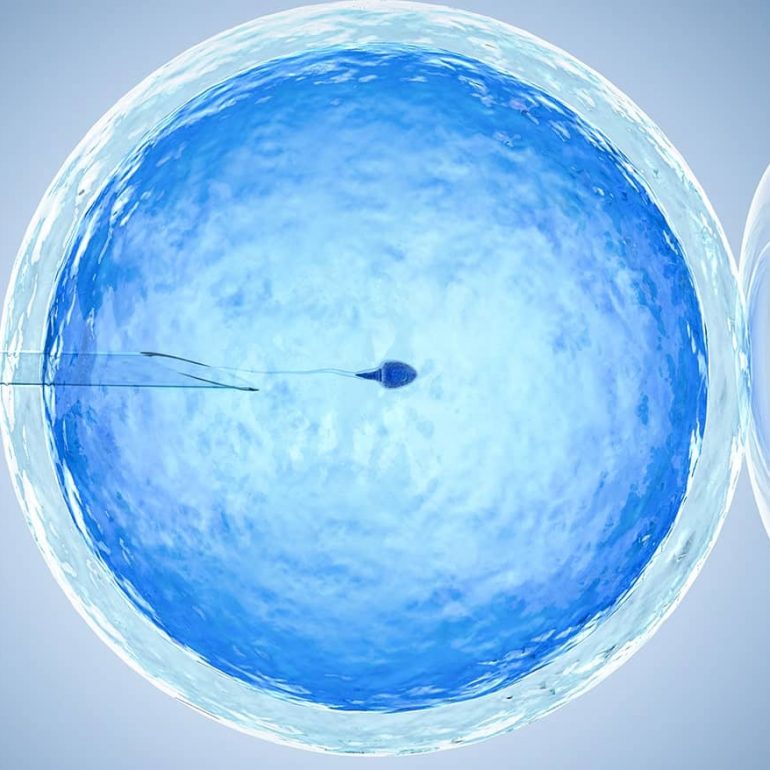
- ICSI (Intracytoplasmic Sperm Injection): ICSI is a specialized IVF technique where a single sperm is directly injected into an egg to achieve fertilization. This method is particularly useful in cases of severe male infertility, where traditional fertilization methods may not be effective.
- Assisted Hatching: Assisted hatching is a technique used to improve embryo implantation rates. A small hole is made in the embryo’s outer shell (zona pellucida) to help it hatch and implant into the uterine lining. This technique is often recommended for older women or those with previous failed IVF cycles.
- Preimplantation Genetic Testing (PGT): PGT involves screening embryos for genetic abnormalities before they are transferred to the uterus. This testing can detect conditions such as Down syndrome and other chromosomal disorders, allowing only healthy embryos to be selected for transfer.
- Frozen Embryo Transfer (FET): FET involves thawing and transferring previously frozen embryos into the uterus. This technique is beneficial for couples who have undergone multiple IVF cycles or wish to space out pregnancies while preserving embryos for future use.
- Donor Eggs/Sperm: Donor eggs or sperm are used in cases where one partner has a genetic condition, poor egg or sperm quality, or when same-sex couples or single individuals seek to conceive. Donor gametes provide a viable solution for achieving pregnancy when biological options are limited.
- IVF with Surrogacy: IVF with surrogacy involves using a gestational carrier to carry the pregnancy for intended parents. This option is chosen when the woman’s uterus cannot carry a pregnancy, due to medical reasons or other complications. The embryos are created using the intended parents’ or donors’ gametes.
Success Rates of IVF
- Factors Affecting Success: IVF success rates are influenced by factors such as the woman’s age, egg quality, sperm quality, and underlying health conditions. Younger women generally have higher success rates, while pre-existing fertility issues or lifestyle factors can impact outcomes.
- Average Success Rates by Age Group: Success rates for IVF decrease with age. Women under 35 typically have a success rate of 40-50%, while this drops to 20-30% for women aged 35-40, and 10-15% for those over 40. These rates vary depending on individual health and clinic expertise.
- Tips to Improve Success Rates: Maintaining a healthy lifestyle, managing stress, and adhering to the treatment plan can positively impact IVF success. Patients are also advised to follow their doctor’s recommendations regarding diet, exercise, and medication to optimize their chances of a successful pregnancy.
EXCELLENT Based on 414 reviews Posted on utkarsh gupta15/07/2026Trustindex verifies that the original source of the review is Google. Choosing Xenith Advanced Fertility Centre turned out to be a great decision. The doctors, especially Dr. Mamta and Dr. Pooja, were thorough, approachable, and made sure we understood every step of the process while answering all our questions patiently The clinic is well-managed, the staff is warm and professional, and the overall experience was smooth from start finish Highly Recommended !!Posted on ujjal mukherjee14/07/2026Trustindex verifies that the original source of the review is Google. Doctore behaviour is good and she is giving ample time to listen patients queries. The final feedback will be submitted once the actual diagnosis startsPosted on subodh korake08/07/2026Trustindex verifies that the original source of the review is Google. Good IVF centre and and located at the centre of cityPosted on Balkrishna kadu07/07/2026Trustindex verifies that the original source of the review is Google. We are very happy with the treatment at Xenith Ivf clinic. Overall good experience and polite attitude of all staffs like reception nursing staff embryologists. Speacial thanks to Dr Mamta Dighe Mam. She guided us throughout our whole journey and explained every single detail with no hurry. Also thanks to Dr Pooja Mam and Dr Poonam Mam. All staff is very kind and supportive. If anyone who is looking for perfect IVF centre Here is your solution Xenith Advanced Fertility Centre Pune. I would surely recommend this clinic.Posted on Santosh Kale07/07/2026Trustindex verifies that the original source of the review is Google. A beautiful experience at xenith good behaving staff 😊Posted on Pravin Mali06/07/2026Trustindex verifies that the original source of the review is Google. Its a very good clinic very co-operate all staff and also treatment is very well. Dr dighe ma'am is very well trained Doctor. Other staff such as nursing reception embryologist are kind and polite. Clinic is very clean and hygienic. Happy with the treatment. Will surely recommend.Posted on Gunwant Sonawane06/07/2026Trustindex verifies that the original source of the review is Google. Dr mamat Dighe is make patience comfortable to understand the IVF processes and which helps to good results.Posted on Ashok Shinde06/07/2026Trustindex verifies that the original source of the review is Google. Best IVF centre at Wakad. One solution for all your infertility problems Very Experienced Dr.Mamta mam. Specialized in infertility with grate success rate. Must visit once, They have Every Thursday FREE consultation as well.Posted on Payal Palkar06/07/2026Trustindex verifies that the original source of the review is Google. Xenith advanced fertility centre is the best IVF Centre in Pune as well as PCMC. Very Experienced Dr.Mamta mam, she explained everything in very simple way, Very supportive & caring staff. Most recommended for your IVF journey.
IVF Costs in India (Including Pune)
- Breakdown of Costs: The cost of IVF in India includes expenses for consultations, medications, egg retrieval, lab procedures, and embryo transfer. Additional costs may arise from specialized techniques like ICSI, PGT, or the use of donor eggs or sperm. A comprehensive cost estimate is provided during the initial consultation.
- Factors Influencing the Cost: IVF costs can vary based on factors such as the clinic’s location, the complexity of the case, the number of IVF cycles required, and the specific techniques used. Some clinics may offer packages that include multiple cycles, which can be more cost-effective.
- Cost Comparison: India vs. Other Countries: IVF in India is often more affordable compared to other countries, without compromising on quality. Many international patients choose India for IVF due to its world-class facilities and highly qualified specialists, making it a cost-effective option for fertility treatment.
Risks and Side Effects of IVF
- Lifestyle Changes: Couples preparing for IVF are encouraged to adopt healthy lifestyle habits, such as eating a balanced diet, exercising regularly, and reducing stress. These changes can improve overall health and increase the likelihood of a successful IVF outcome.
- What to Expect During the IVF Cycle: The IVF cycle involves several phases, including ovarian stimulation, egg retrieval, and embryo transfer. Patients should be prepared for multiple clinic visits, monitoring, and possible emotional ups and downs throughout the process.
- Emotional and Psychological Preparation: IVF can be emotionally challenging, so it’s essential to build a strong support system and consider
counseling if needed. Managing expectations and staying informed about the process can help alleviate anxiety and foster a positive mindset.
After IVF: What to Expect
- Early Signs of Pregnancy: After embryo transfer, patients may experience early pregnancy symptoms such as light spotting, cramping, or breast tenderness. A blood test conducted about two weeks after transfer confirms pregnancy. It’s important to avoid taking home pregnancy tests too early, as they can give false results.
- Follow-up Care and Monitoring: If pregnancy is confirmed, follow-up care includes regular monitoring through ultrasounds and blood tests to ensure the pregnancy is progressing well. In cases where the cycle is unsuccessful, the doctor will discuss next steps and possible adjustments for future cycles.
- Next Steps if the Cycle is Unsuccessful: If the IVF cycle does not result in pregnancy, patients can explore options like additional IVF cycles, trying different techniques, or considering alternatives like egg donation or surrogacy. It’s important to consult with your fertility specialist to determine the best course of action.
Why Choose Xenith?
We have years of experience, expertise and the latest reproductive technologies in the area of infertility and treatment plan designed for individual needs. The staff at Xenith is highly trained in the latest embryological, medical and technological know-how as well as counselling and therapeutic communication. We are equipped to offer evidence-based treatment in infertility efficiently.
- Patient-centered care
- Specialty in Recurrent IVF Failures
- Focus on interventions
- High IVF success rates
- High Clinical Standard
- All treatments under one roof
Book Appointment Today!
Recent Posts

Jul 10, 2026
Adenomyosis and Fertility: What You Need to Know
Adenomyosis and Fertility: What You Need to Know For many women, the…
Jun 30, 2026
IVF, Family Expectations, and Indian Cultural Beliefs: What You Need to Know
One of the things that makes infertility and fertility treatment uniquely challenging…

Jun 24, 2026
Balancing IVF and Your Career: A Practical Guide for Working Professionals
If there's one concern I hear almost every week in my consultation…

Jun 18, 2026
IVF Diet in India: What to Eat (and Avoid) Before, During and After Your IVF Cycle
When you are going through IVF, every choice can feel significant and…