One of the most common questions I hear from men who are worried about their fertility is, “Doctor, I have nightfall frequently. Will this reduce my sperm count?” Sometimes the question comes with another concern: “I feel weak after nightfall. Does it mean I’m losing too much semen?”
I understand why these worries are common. In India, semen and sperm are often surrounded by myths about “loss of strength,” and advertisements for supplements can make those fears even stronger.
Free Thursday Consultation
Book Your AppointmentBut from a medical perspective, the answer is much simpler: Nightfall does not normally reduce your sperm count or make you infertile.
Nightfall, medically called nocturnal emission, is a normal physiological phenomenon. It does not mean that your body is losing an unhealthy amount of sperm, and it usually does not require treatment.
If you’re concerned about your fertility, I would much rather look at an actual semen analysis than ask you to judge your fertility by how often you experience nightfall. Let’s separate the facts from the myths.
What Is Nightfall? Normal Physiology Explained
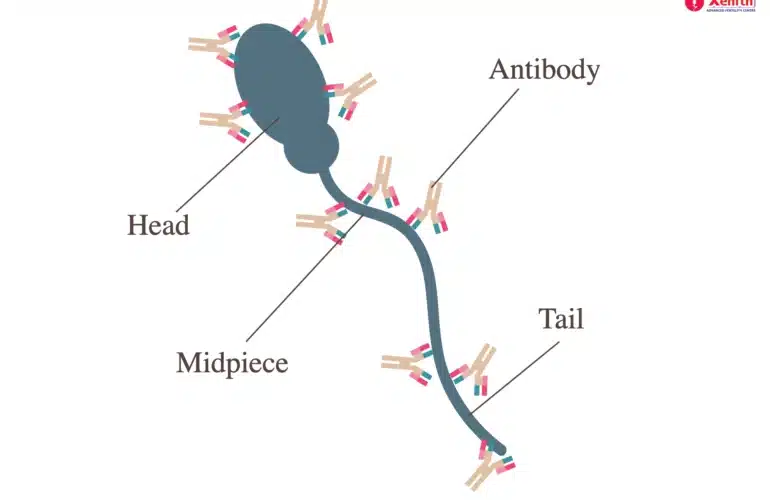
Nightfall in men, or nocturnal emission, refers to ejaculation that occurs involuntarily during sleep. It can happen with or without a sexual dream or obvious sexual stimulation.
During puberty and adulthood, the reproductive system continuously produces sperm. Sperm are stored and eventually broken down and reabsorbed if they are not ejaculated. Sometimes ejaculation occurs during sleep. This is simply one way the reproductive system functions. It is not a sign that something is “building up” dangerously inside the body.
I have had young men come to my consultation genuinely embarrassed about this. Some believe they have done something wrong, while others have been told that frequent nightfall means their body is becoming weak. I usually reassure them first. There is nothing shameful or abnormal about nocturnal emission. It is a biological process, not a disease.
Does Nightfall Reduce Sperm Count?
No. Nightfall does not normally reduce your sperm count or cause infertility.
This is perhaps the most important point to remember. A single ejaculation temporarily reduces the number of sperm available in the next ejaculate, simply because some sperm have been released. But the reproductive system continues producing sperm.
Your body does not have a fixed lifetime supply of semen that gets permanently depleted every time you ejaculate. Sperm production is continuous.
This is also why ejaculation before a semen analysis is controlled by asking you to maintain a specific period of abstinence. The abstinence period helps standardize the sample, it doesn’t mean that ejaculation itself is damaging your fertility.
In fact, semen-analysis laboratories typically recommend a defined period of sexual abstinence before providing the sample because the duration of abstinence can influence semen volume and sperm concentration. The World Health Organization recommends a standardized abstinence period of approximately 2–7 days for semen analysis.
Does Nightfall Reduce Sperm Count Permanently?
No.
The sperm released during an ejaculation are replaced through ongoing sperm production. If a man has a genuinely low sperm count, I would look for actual causes, such as varicocele, hormonal problems, certain medications, smoking, obesity, heat exposure, or other medical factors—, rather than blaming nocturnal emission.
Why Does the Nightfall Myth Persist in India?
The belief that semen loss causes weakness has deep cultural roots. Semen has historically been associated in some traditional beliefs with physical strength, vitality, and overall health. As a result, ejaculation can sometimes be viewed as something that must be conserved.
I’ve encountered men who were convinced that every episode of nightfall was making them physically weaker. They may describe tiredness the following morning and connect the two events. But feeling tired after a poor night’s sleep does not mean that semen loss has depleted your body’s strength. Sleep itself affects how energetic you feel the next morning.
There is also a modern factor contributing to the problem: online searches. A young man notices nightfall, searches “nightfall means,” and can quickly encounter alarming claims about weakness, infertility, testosterone loss, or permanent damage. Then someone sells him a supplement to “restore lost strength.” That creates a cycle of fear.
How Often Is “Too Often”?
There is no single number of nocturnal emissions that is considered the normal frequency for every man. Some men may experience them occasionally. Others may experience them more frequently for a period and then notice that they become less frequent. Age, sexual activity, hormonal changes, sleep patterns, and individual physiology can all influence how often they occur.
What matters is whether there are other symptoms. If nocturnal emissions are occurring without pain, burning, blood, fever, urinary symptoms, or other concerning changes, the frequency by itself usually isn’t a reason to panic. And there is no scientifically established number at which nightfall suddenly becomes harmful to sperm production.
What Actually Can Lower Sperm Count?
If you’re worried about sperm health, there are far more meaningful factors to consider.
Heat Exposure
Testicles function best at a temperature slightly below core body temperature. Repeated or prolonged exposure to significant heat can adversely affect sperm production. This can include frequent high-temperature exposure, although everyday activities should not automatically be treated as dangerous.
Smoking
Smoking is associated with poorer semen parameters and can negatively affect sperm quality. If you’re trying to conceive, stopping smoking is one of the changes that can genuinely benefit reproductive health.
Alcohol
Heavy alcohol consumption can interfere with reproductive hormones and sperm production. This is very different from the myth that one episode of nightfall somehow “uses up” your sperm.
Obesity
Excess body weight can be associated with hormonal changes and impaired sperm production. Improving overall metabolic health can therefore be an important part of male fertility management.
Stress
Chronic psychological stress may negatively affect reproductive hormones and semen quality. Stress can also affect sleep, sexual function, lifestyle habits, and overall wellbeing. But again, this doesn’t mean that every stressful week will cause infertility.
Untreated Varicocele
A varicocele is an enlargement of the veins around the testicle. It can be associated with impaired sperm production and sperm quality in some men. When I evaluate a man for infertility, I may specifically look for a clinical varicocele because this is an identifiable condition that can sometimes be treated.
Notice the difference: Nightfall is a normal physiological event. A clinically significant varicocele can be a medical condition affecting fertility. Those should not be confused.
Why Does the Supplement Market Profit From This Fear?
This is an area where I encourage men to be particularly careful. Search online for “nightfall treatment” and you’ll quickly find products promising to stop nocturnal emissions, restore “lost sperm,” increase strength, or protect fertility.
The problem is that fear is being used as a marketing tool. If someone convinces you that every nocturnal emission is causing weakness or sperm loss, they can then sell you something that supposedly “replaces” what you’ve lost.
But your body does not need a supplement to replace sperm lost through normal ejaculation. Sperm production is continuous. That doesn’t mean supplements are never appropriate in medicine. Some men may have genuine nutritional deficiencies or specific medical indications for supplementation.
But taking a product simply because someone told you that nightfall is draining your fertility is not evidence-based treatment. Before spending money on a “nightfall cure,” I would ask a much simpler question: What evidence is there that I actually have a fertility problem? If the answer is “none,” start with an appropriate medical evaluation rather than a supplement.
When Could Frequent Emissions Actually Need Medical Attention?
The frequency of nocturnal emission alone is usually not concerning. However, if ejaculation, during sleep or otherwise, is accompanied by other symptoms, it may be worth discussing with a doctor.
For example, seek medical advice if you experience:
- Pain during ejaculation
- Burning while urinating
- Blood in the semen
- Blood in the urine
- Pelvic or testicular pain
- Fever
- New urinary symptoms
- Persistent discharge from the penis
- Significant sexual or erectile problems
These symptoms could point toward conditions such as infection, inflammation, or prostate or urinary-tract problems.
Similarly, if you have concerns about hormonal function, for example, markedly reduced libido or other symptoms suggesting a hormonal problem, your doctor can decide whether hormone testing is appropriate. The important distinction is that the accompanying symptoms, rather than nightfall itself, are what may warrant investigation.
Worried About Fertility? Get a Semen Analysis Instead
If you’re genuinely concerned about fertility, don’t try to estimate your sperm count based on how often you experience nightfall.
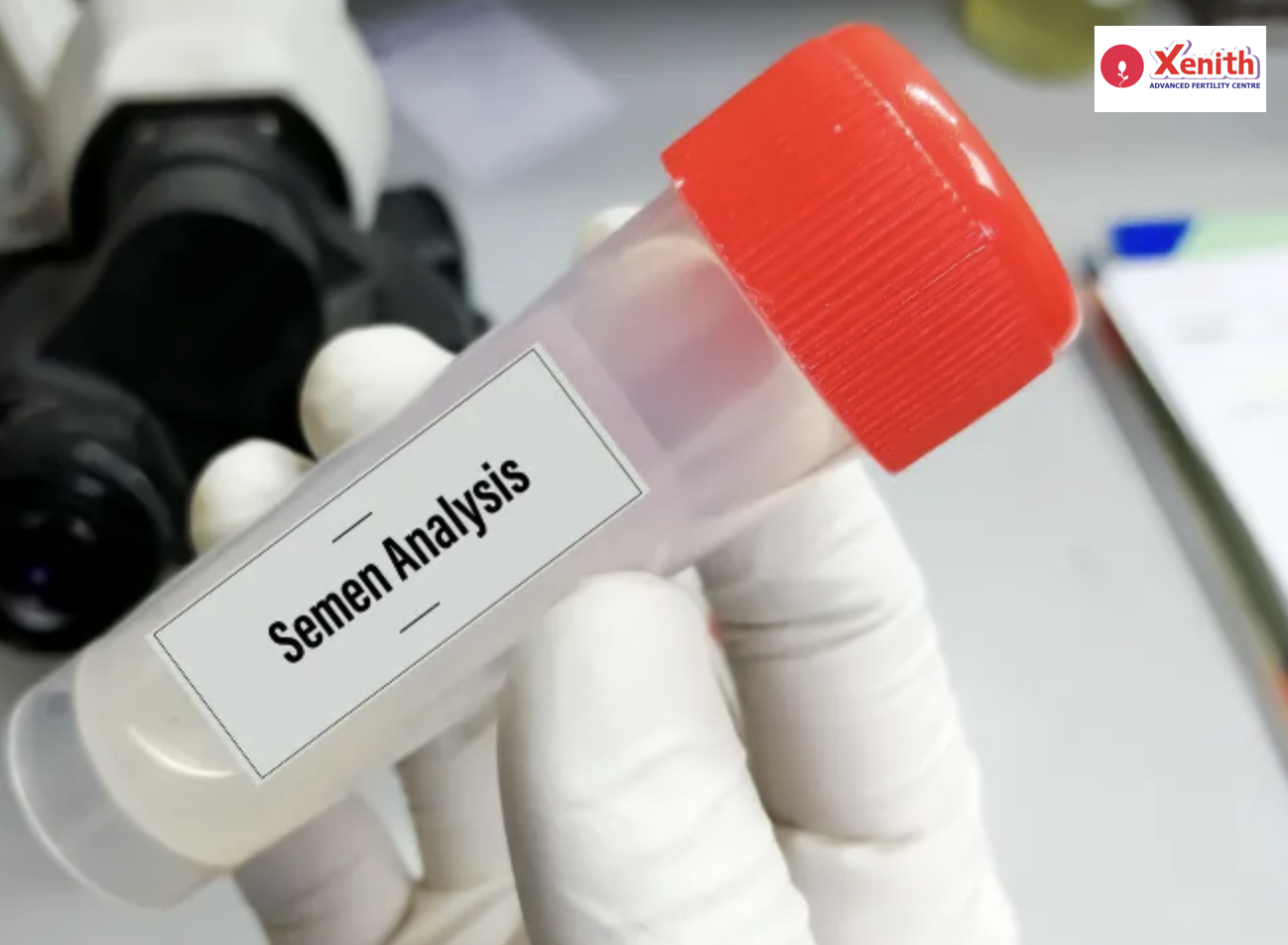
Get a semen analysis. It gives us measurable information about:
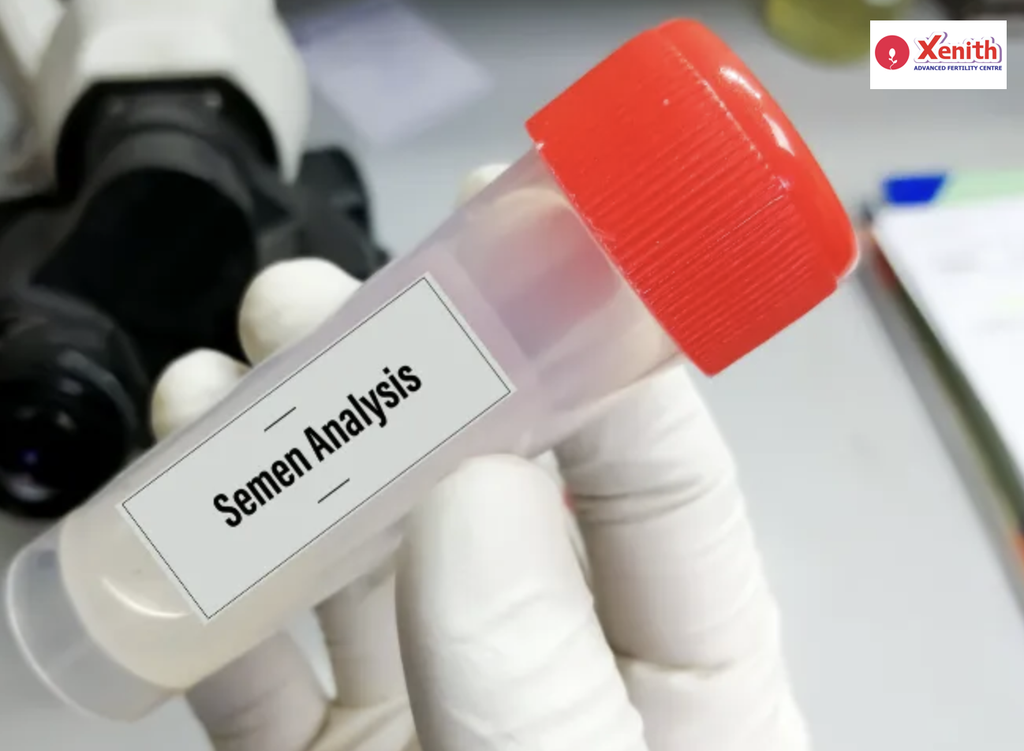
- Semen volume
- Sperm concentration
- Total sperm number
- Sperm motility
- Sperm morphology
Depending on the situation, additional testing may be considered.
For example, if the semen analysis is abnormal, I may evaluate for a varicocele, hormonal abnormalities, medication effects, lifestyle factors, or other causes. And if the first semen analysis is abnormal, we may repeat it because semen parameters naturally vary from one sample to another.
So if your only concern is that you experience nightfall, there is usually no reason to assume that your fertility has been damaged.
Frequently Asked Questions
Does nightfall reduce sperm count?
No. Normal nocturnal emissions do not permanently reduce sperm count or cause infertility. Sperm production continues continuously.
Is nightfall normal in men?
Yes. Nocturnal emission is a normal physiological form of involuntary ejaculation that can occur during sleep.
What is the normal frequency of nightfall?
There is no single normal frequency. Some men experience it occasionally, while others may experience it more often. Frequency alone generally does not indicate a fertility problem.
Does nightfall cause weakness?
There is no good medical evidence that normal nocturnal emission causes long-term physical weakness. Feeling tired after waking may be related to sleep or other factors rather than semen loss.
Does nightfall mean I have too much sperm?
Not necessarily. Nightfall is simply an involuntary ejaculation during sleep. It does not reliably indicate how high or low your sperm count is.
Does frequent nightfall cause infertility?
No. Frequent nocturnal emissions by themselves are not considered a cause of male infertility.
Should I take supplements for nightfall?
Usually, there is no medical reason to take a supplement simply because you experience nocturnal emissions. If you have a genuine fertility concern, it’s better to have an appropriate evaluation first.
When should I see a doctor about nightfall?
See a doctor if ejaculation is associated with pain, blood, urinary symptoms, fever, pelvic or testicular pain, discharge, or other persistent sexual or reproductive symptoms.
The Bottom Line
Nightfall does not normally reduce your sperm count, drain your strength, or make you infertile. It is a normal physiological process.
If you’re otherwise healthy and don’t have pain, blood, urinary symptoms, or other concerning changes, there is usually no reason to treat nocturnal emission as an illness. If you’re worried because you’ve been trying to conceive, however, don’t let nightfall become the explanation by default. Let’s look at what actually matters: your semen analysis, medical history, lifestyle, testicular examination, and hormonal or other fertility investigations.
In other words, don’t measure your fertility by how often you have nightfall. Measure it with the right medical tests. If you’re concerned about your fertility, bringing a recent semen analysis to a male fertility consultation is a much more useful starting point than trying to count episodes of nightfall.