A few spots of blood when you’re trying to conceive can trigger a surprising amount of anxiety. I see this very often in my clinic. A patient will come in and say, “Doctor, I noticed some pink spotting yesterday. Could this be implantation bleeding?” Another may tell me, “My period was due today, but I only have brown discharge. Does this mean I’m pregnant?”
I understand why these questions come up. When you’re hoping for a pregnancy, every change in your body can suddenly feel significant. The difficulty is that implantation bleeding and the beginning of a period can look very similar. There is no colour, amount, or symptom that can confirm pregnancy on its own. The timing of the bleeding and, ultimately, a pregnancy test give us much more useful information.So, if you’re wondering whether what you’re seeing is implantation bleeding or just your period, let’s look at the differences carefully.

Free Thursday Consultation
Book Your AppointmentWhat Is Implantation Bleeding and Why Does It Happen?
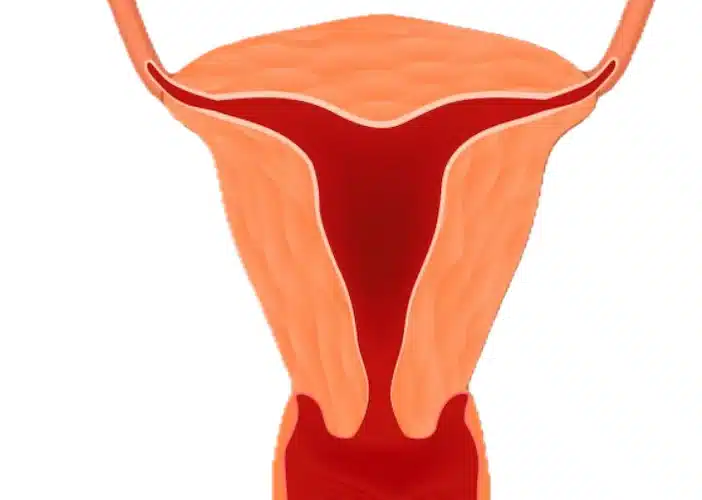
Implantation bleeding refers to light spotting that can occur around the time a fertilized egg attaches to the lining of the uterus. It is generally described as very light bleeding rather than a menstrual flow. Some women notice only a spot on their underwear or a small amount of blood when wiping.
The exact biological explanation for implantation-related spotting isn’t completely established, and importantly, not everyone who becomes pregnant experiences it. This is something I emphasize because patients sometimes become worried if they don’t see any spotting. The absence of bleeding does not mean implantation hasn’t occurred. Similarly, seeing a few spots of blood does not prove that implantation has occurred.
That distinction is important when you’re trying to interpret symptoms during the two-week wait.
Implantation Bleeding vs Period: The Five Differences
When patients ask me how to distinguish the two, I focus on five things: timing, colour, flow, duration, and cramping.
| Feature | Implantation bleeding | Period bleeding |
| Timing | Usually occurs around the time implantation would occur, often close to the expected period | Usually begins around the expected menstrual date |
| Colour | Often pink or brown; may appear rust-coloured | Typically becomes red or dark red as menstrual flow develops |
| Flow | Very light spotting | Usually progressively heavier, then gradually decreases |

| Duration | Often brief, hours to around a couple of days | Commonly lasts several days |
| Cramping | May be absent or mild | Period cramps are more common and may become stronger as flow begins |
These are useful patterns, but they are not diagnostic rules. For example, brown spotting can occur before a period. Pink spotting can occur for several reasons. Some women also have very light periods. So when someone asks me, “Is this definitely implantation bleeding?”, I explain that we cannot determine pregnancy from the appearance of bleeding alone.
When Does Implantation Bleeding Happen?
Timing is one of the most useful clues. Implantation generally occurs several days after ovulation rather than immediately after intercourse. Sources commonly place implantation around 6–12 days after ovulation, with some clinical resources describing implantation-related bleeding closer to approximately 10–14 days after ovulation.
This means that if you notice very light spotting around the time your period is expected, implantation-related bleeding is one possible explanation, but so is the beginning of your menstrual period. This is why I don’t recommend trying to calculate pregnancy solely from spotting.
Your ovulation date may not have been exactly when you thought it was, particularly if your cycles aren’t perfectly regular. The timing of implantation can therefore vary too.
What Does Implantation Bleeding Look Like? A Colour Guide
If you’re searching for implantation bleeding colour, you’ll often see descriptions such as pink, brown, or rust.
Pink
Light pink spotting can occur when a very small amount of blood mixes with vaginal or cervical discharge.
Light Brown
Brown discharge generally represents older blood that has taken longer to leave the uterus or vagina. You may notice this as a light brown stain rather than active bleeding.
Rust-Coloured
Some women describe spotting as rusty or reddish-brown. Again, the colour alone cannot tell us whether pregnancy has occurred.
What is more important is the amount and progression. Implantation-related spotting is generally light. Bleeding that becomes progressively heavier, soaks pads, or contains clots is not typical of what is commonly described as implantation bleeding. I often tell patients: don’t focus on the colour in isolation. Look at the entire pattern.
Spotting After an IVF Embryo Transfer, Is It the Same Thing?
This is an especially stressful situation because women undergoing IVF are watching their symptoms very closely.nSpotting after embryo transfer can happen, and it does not automatically mean that the treatment has failed. Light bleeding after embryo transfer is reported as relatively common by fertility centres.
There can be several reasons for spotting around this time. The cervix can be sensitive, and the transfer procedure itself involves passing a catheter through the cervix. Vaginal medications can also cause local irritation. And, of course, implantation may occur during this period as well. This is why bleeding after embryo transfer cannot reliably tell us whether an embryo has implanted.
Why Can Progesterone Cause Spotting?
Many IVF patients receive progesterone support after embryo transfer. Depending on the medication and route of administration, progesterone can cause local vaginal effects, including discharge and irritation. Vaginal medications may therefore contribute to spotting in some patients. Progesterone itself is an important hormone for supporting the uterine lining during the luteal phase and early pregnancy. It is routinely used after IVF in many treatment protocols.
If you notice spotting after an embryo transfer, do not stop progesterone or other prescribed medication on your own. Continue your medication according to your clinic’s instructions and contact your fertility team if you are concerned. Most importantly, wait for the pregnancy test on the date your clinic has given you.
When Is Bleeding Not Implantation?
Not every episode of spotting during the two-week wait is implantation bleeding. Your period may simply be starting.
There are also other possible causes of vaginal bleeding, including cervical irritation and, in an established pregnancy, conditions that require medical assessment. This is why I don’t want patients to dismiss bleeding simply because they are hoping it is implantation.
Contact Your Doctor If You Have:
- Heavy vaginal bleeding
- Bleeding that is increasing rather than remaining light
- Significant or worsening abdominal pain
- Severe cramping
- One-sided abdominal pain
- Dizziness or fainting
- Shoulder-tip pain
- A positive pregnancy test accompanied by bleeding or pain
These symptoms are particularly important after IVF because, although uncommon, an ectopic pregnancy can occur after fertility treatment and requires prompt medical assessment. If you’re unsure whether your bleeding is normal, I’d much rather you contact your fertility team than spend hours searching online and worrying.
When Should You Take a Pregnancy Test?
This is where patience becomes particularly difficult. I know how tempting it is to test early. A patient may notice spotting and immediately take a home pregnancy test, hoping for reassurance. If the result is negative, she may assume the cycle has failed.
But testing too early can create unnecessary confusion. Pregnancy tests detect hCG, which rises after implantation. If implantation has occurred only recently, hCG may not yet be high enough to produce a reliable positive urine test. The timing is particularly important after IVF.
Your clinic will give you a specific date for pregnancy testing based on your treatment cycle. Some IVF centres specifically advise patients not to test earlier because the trigger injection used during treatment can remain in the bloodstream for several days and potentially cause a false-positive result.
So if you experience spotting before your scheduled test, don’t use the bleeding, or an early negative test, to make a final conclusion about your cycle. Continue your prescribed medication and test on the date advised by your fertility team.
Frequently Asked Questions
How can I tell implantation bleeding from my period?
The pattern can provide clues. Implantation-related spotting is usually very light and brief, whereas menstrual bleeding generally becomes more established and lasts several days. However, there is no way to confirm implantation based on bleeding alone.
What colour is implantation bleeding?
It is commonly described as pink or brown, sometimes with a rusty appearance. But colour is not a reliable way to diagnose pregnancy.
Can implantation bleeding be red?
Light reddish spotting can occur, but bright-red, heavy, or progressively increasing bleeding is less typical of implantation bleeding. If bleeding is heavy or accompanied by significant pain, contact your doctor.
When does implantation bleeding happen?
Implantation occurs several days after ovulation, commonly within the 6–12 day range, although the exact timing varies. Some clinical sources describe implantation-related bleeding closer to 10–14 days after ovulation.
Can I have implantation bleeding without other pregnancy symptoms?
Yes. Early pregnancy symptoms vary considerably, and some women have no noticeable symptoms at this stage.
Is spotting after embryo transfer a sign of pregnancy?
Not necessarily. Light spotting after embryo transfer can occur for several reasons, including cervical irritation and medication-related effects. It can also occur around implantation, but bleeding alone cannot confirm pregnancy.
Should I stop progesterone if I start bleeding after embryo transfer?
No, not unless your fertility team specifically tells you to. Continue prescribed medication and follow your clinic’s instructions regarding pregnancy testing. Some fertility centres specifically advise continuing medication even when light bleeding occurs before the scheduled test.
Can I take a pregnancy test when I first notice spotting?
You can take a test, but if it is earlier than the recommended testing date, the result may not be reliable. An early negative test does not necessarily mean that you are not pregnant.
Final Thoughts
When you’re trying to conceive, a few drops of blood can feel like they carry an enormous amount of meaning.
But implantation bleeding and a period can look remarkably similar. Light pink or brown spotting around the expected time of your period may be compatible with implantation, but it can also simply be pre-period spotting or the beginning of menstruation. The most useful clues are the timing, flow, duration, and progression of the bleeding, but even these cannot confirm pregnancy.
If you’re going through IVF, the uncertainty can feel even greater. Spotting after embryo transfer does not automatically mean that your embryo has failed to implant, just as it cannot confirm that implantation has occurred.
Try not to make decisions based on symptoms alone. Continue your prescribed medications, avoid testing much earlier than advised, and use the pregnancy test date provided by your fertility team as your more reliable answer. And if your bleeding becomes heavy, is accompanied by significant pain, or occurs alongside a positive pregnancy test, contact your doctor promptly.
If you’re currently in the two-week wait and are unsure whether the bleeding you’re experiencing is something to watch or something that needs assessment, your fertility team can help you interpret it in the context of your cycle and treatment.