Introduction
For many couples, planning a baby is one of the most beautiful dreams in life. But sometimes, this dream comes with worries“Will my baby be healthy?”, “What if there is a genetic problem in the family?” These questions can create stress, especially for couples who already have a history of genetic disorders.
Today, medical science has advanced a lot. With the help of IVF (In Vitro Fertilization), doctors can now do something amazing, they can actually test embryos before pregnancy happens. This process is called Preimplantation Genetic Diagnosis (PGD).

Free Thursday Consultation
Book Your AppointmentPGD helps in checking embryos for genetic conditions even before they are placed in the womb. This means parents can choose healthier embryos, reducing the chances of passing genetic disorders to their baby. For couples with family history of conditions like thalassemia or sickle cell anemia, this can be life-changing.
Let’s understand this in a simple way.
What Is Preimplantation Genetic Diagnosis (PGD)?
Preimplantation Genetic Diagnosis, or PGD, is a special genetic testing technique used during IVF treatment.
In simple words, PGD is like a health check-up for embryos. Before the embryo is transferred into the uterus, doctors test it to see if it carries any genetic disorder.
This helps in:
- Detecting inherited genetic diseases
- Selecting healthy embryos
- Reducing the risk of genetic conditions in the baby
So instead of waiting until pregnancy to detect problems, PGD allows early screening before implantation itself.
How PGD Works in the IVF Process
Let’s break this down step-by-step in a very easy way:
1. Ovarian Stimulation
The woman is given injections to produce multiple eggs instead of just one.
2. Egg Retrieval
These eggs are collected from the ovaries using a small medical procedure.
3. Fertilization (IVF/ICSI)
The eggs are fertilized with sperm in the lab. Sometimes, a single sperm is injected into the egg (ICSI method).
4. Embryo Development
The fertilized eggs grow into embryos over 5–6 days, reaching the blastocyst stage.
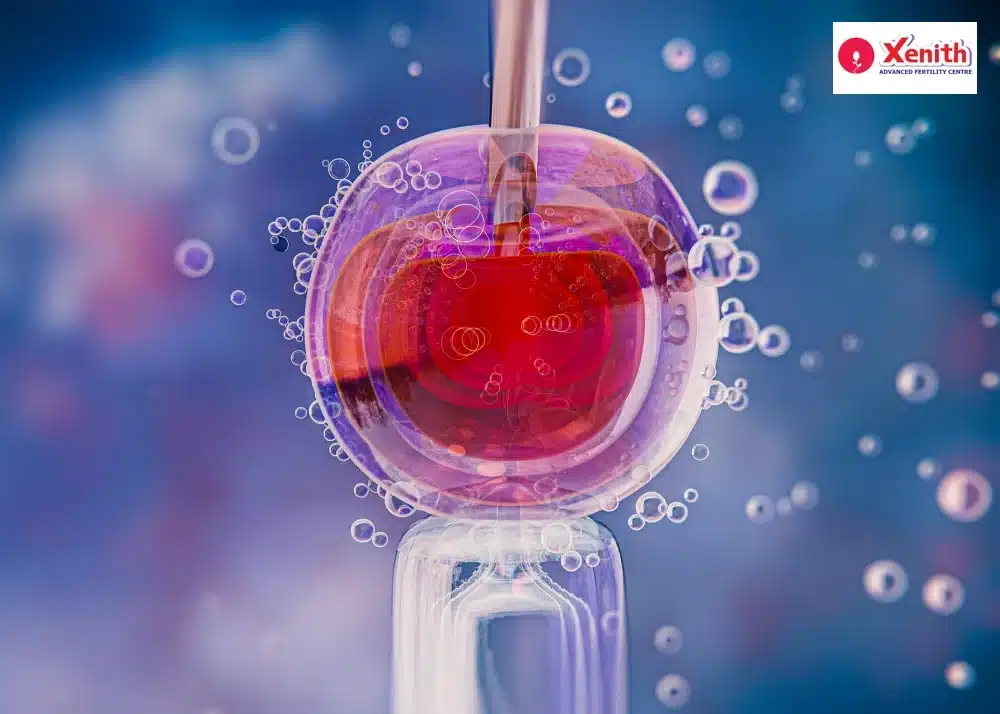
5. Embryo Biopsy
A few cells are carefully taken from the embryo. Don’t worry, this is done very safely by experts.
6. Genetic Testing in Lab
These cells are tested to check for genetic disorders or abnormalities.
7. Selection of Healthy Embryo
Only embryos that are free from the tested conditions are selected.
8. Embryo Transfer
The healthy embryo is transferred into the uterus for pregnancy.
This entire process helps in increasing the chances of a healthy pregnancy.
What Genetic Disorders Can PGD Detect?
PGD is especially useful for detecting specific inherited diseases. These include:
Single-Gene Disorders
- Thalassemia
- Cystic fibrosis
- Sickle cell anemia
Chromosomal Abnormalities
Problems related to missing or extra chromosomes.
Inherited Genetic Conditions
Conditions passed from parents to child.
Family-Specific Disorders
If a particular disease runs in your family, PGD can be customized to test for it.
This makes PGD very useful for couples who already know they are carriers of a genetic condition.
Who Should Consider PGD?
Not every couple needs PGD, but it is highly recommended in certain cases:
- Couples with a family history of genetic disorders
- Individuals who are known carriers of genetic diseases
- Couples with repeated IVF failures
- Women with recurrent miscarriages
- Couples planning pregnancy at an advanced age
If you fall into any of these categories, PGD can give you extra confidence and safety during your fertility journey.
PGD vs PGT: What’s the Difference?
Many people get confused between PGD and PGT. Let’s simplify:
- PGD (Preimplantation Genetic Diagnosis)
Used to detect specific inherited genetic disorders (like thalassemia). - PGT (Preimplantation Genetic Testing)
A broader term that checks for chromosomal abnormalities in general.
In short:
PGD = specific disease testing
PGT = general chromosome screening
Understanding this difference helps patients make better decisions.
Benefits of PGD in IVF
PGD offers many advantages, especially for couples at risk:
- Reduces the risk of genetic disorders in the baby
- Improves chances of having a healthy baby
- Decreases the risk of miscarriage
- Helps doctors select the best embryo
- Increases overall IVF success rate
For many couples, PGD brings peace of mind which is equally important during this emotional journey.
Risks and Limitations of PGD
While PGD is very helpful, it’s important to understand its limitations too:
- It does not guarantee 100% perfect results
- The procedure can be costly
- It requires IVF (cannot be done naturally)
- There is a very small risk during embryo biopsy
However, with experienced doctors and advanced labs, these risks are minimal.
Success Rates of PGD with IVF
PGD can improve the chances of a successful pregnancy, especially when combined with IVF.
It helps in:
- Better implantation rates
- Lower miscarriage risk
- Higher chances of a healthy baby
But success depends on factors like:
- Woman’s age
- Quality of embryos
- Expertise of the fertility clinic
So results may vary from couple to couple.
Cost of PGD in India
In India, PGD is an additional cost over the IVF procedure.
General Cost Range:
- IVF: ₹1.5 to ₹2.5 lakhs
- PGD: ₹50,000 to ₹1.5 lakhs (extra)
Factors Affecting Cost:
- Type of genetic testing required
- Number of embryos tested
- Technology used in the lab
- Clinic’s expertise and success rate
Although it may seem expensive, for many couples, it is a valuable investment for a healthy future.
Diagnosis and Treatment at Xenith IVF
At Xenith IVF, advanced genetic screening technologies are used to provide accurate and reliable PGD services.

What makes the treatment special:
- Experienced embryology team
- Personalized fertility treatment plans
- High success rates in IVF procedures
- Modern lab facilities for genetic testing
The goal is simple: to help couples achieve safe and healthy parenthood.
When Should You Consult a Fertility Specialist?
You should consider visiting a fertility expert if:
- You have a family history of genetic disorders
- You have experienced multiple miscarriages
- IVF cycles have failed earlier
- You are planning pregnancy later in life
Early consultation can help you explore options like PGD and plan better.
FAQs Section
PGD is a genetic test done on embryos during IVF to check for inherited diseases before pregnancy.
Yes, PGD is generally safe when done by experienced specialists using advanced technology.
PGD tests for specific genetic diseases, while PGT checks for overall chromosomal health.
No, PGD reduces risk but cannot guarantee 100% perfection.
It usually costs between ₹50,000 to ₹1.5 lakhs, depending on various factors.
Conclusion + CTA
Preimplantation Genetic Diagnosis (PGD) is truly a powerful tool in modern fertility treatment. It gives couples the ability to reduce genetic risks even before pregnancy begins. For those with a family history of genetic disorders, PGD offers hope, confidence, and a safer path to parenthood.
If you are planning a baby and want to ensure the best possible start, PGD can be a smart choice.
Take the next step towards a healthy future, book your consultation with Xenith IVF today and explore your options with expert guidance.