When we think about pregnancy, most people focus on egg quality and sperm health. But there is one more important factor that often gets ignored which is the uterine lining, also called the endometrium. This lining is like the ‘bed’ where the embryo comes and settles.
If this lining is too thin, implantation may not happen properly. This condition is known as thin endometrium implantation, and it can silently affect your chances of getting pregnant.

Free Thursday Consultation
Book Your AppointmentMany women face this issue without even realizing it. The good news is that with the right care and treatment, it can often be improved. Let’s understand this in a simple and relatable way.
What Is the Endometrium?
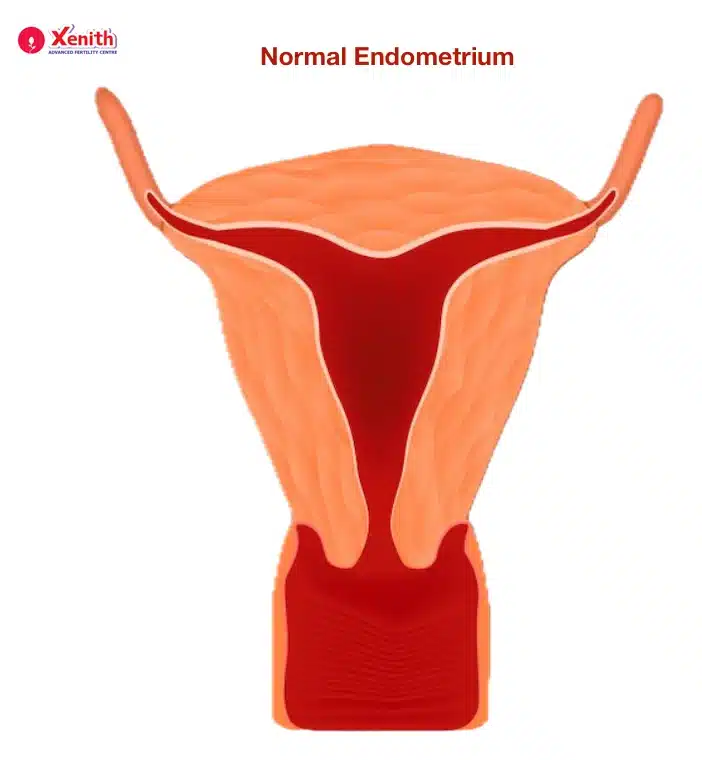
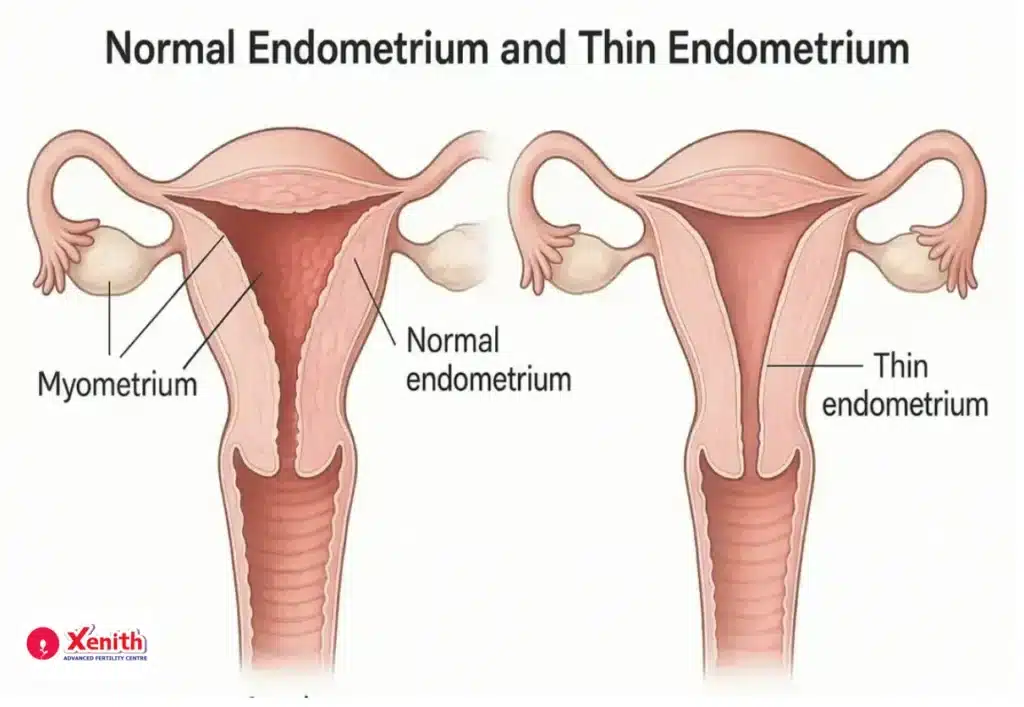
The endometrium is the inner lining of your uterus. Every month, your body prepares for pregnancy by thickening this lining. Think of it like preparing a soft mattress. If pregnancy happens, the embryo attaches to this lining and starts growing. If not, the lining sheds during your period.
So, this layer plays a very important role in:
- Supporting implantation
- Nourishing the embryo
- Maintaining early pregnancy
What Is Thin Endometrium?
Thin endometrium means that the uterine lining is not thick enough for implantation.
Doctors usually consider the lining ‘thin’ if it is less than 7–8 mm around ovulation or embryo transfer time.
If the ‘bed’ is too thin, the embryo may not attach properly. This can lead to:
- Difficulty conceiving
- Failed IVF cycles
- Early pregnancy loss
This is why thin uterine lining fertility is an important concern for many women.
Ideal Endometrial Thickness for Pregnancy
Now you may be wondering, what is the ideal thickness?
- Normal range: 7–14 mm
- Best chances of pregnancy: above 8 mm
- Too thin: below 7 mm
- Too thick (in some cases): above 14–15 mm
The exact endometrial thickness for pregnancy can vary depending on your cycle and treatment type. But generally, a thicker, well-structured lining gives better chances.
Causes of Thin Endometrium
There can be many reasons behind a thin lining. Let’s look at some common ones:
1. Hormonal Imbalance
Low estrogen levels can prevent the lining from growing properly. Estrogen is the hormone responsible for building the lining.
2. Poor Blood Flow
If blood circulation to the uterus is not good, the lining may not receive enough nutrients.
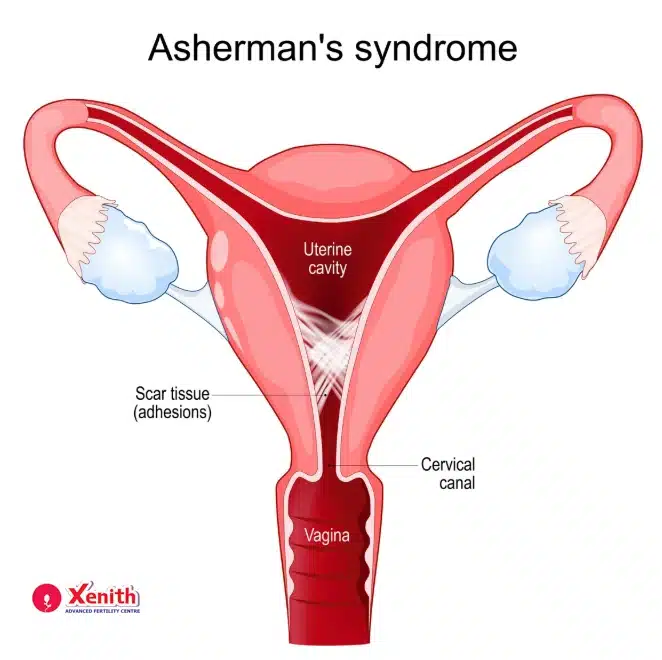
3. Uterine Scarring (Asherman’s Syndrome)
Sometimes, past surgeries like D&C can cause scarring inside the uterus, making it difficult for the lining to grow.
4. Chronic Infections
Long-term infections in the uterus can damage the lining.
5. Certain Medications
Some medicines, especially those used for a long time, can affect endometrial growth.
6. Repeated Uterine Procedures
Frequent medical procedures can sometimes weaken the uterine lining.
These are also important implantation failure causes that are often overlooked.
Symptoms of Thin Endometrium
Thin endometrium does not always show obvious symptoms, but some signs include:
- Light or scanty periods
- Short menstrual cycles
- Difficulty in conceiving
- Repeated implantation failure
- Early miscarriage
If you notice these signs, it’s worth getting checked.
How Thin Endometrium Affects Fertility
A healthy lining is necessary for embryo attachment. If the lining is thin:
- The embryo may not stick properly
- IVF success rates may reduce
- Risk of miscarriage increases
- Uterine receptivity becomes poor
This is why thin endometrium IVF success is often lower if not treated properly.
Diagnosis at Xenith IVF
At Xenith IVF, doctors use advanced methods to check your uterine lining:
1. Transvaginal Ultrasound
This helps measure the thickness of the endometrium.
2. Hormonal Testing
Estrogen and other hormone levels are checked.
3. Uterine Evaluation
Tests are done to check for scarring or abnormalities.
4. IVF Cycle Monitoring
During IVF, the lining is carefully tracked before embryo transfer.
This detailed approach helps identify the exact problem.
Treatment Options
The treatment depends on the cause. Let’s break it down:
Medical Treatment
- Estrogen therapy to build the lining
- Medicines to improve blood flow
- Hormonal support during cycles

Advanced Treatments
- PRP Therapy (Platelet-Rich Plasma)
This uses your own blood components to improve lining growth - Endometrial stimulation techniques
These help activate the lining for better response
Lifestyle Support
Simple daily habits also matter a lot:
- Healthy diet (iron-rich, protein-rich foods)
- Regular exercise (like walking or yoga)
- Stress management (meditation, breathing)
If you are wondering how to increase uterine lining thickness, it’s usually a mix of medical care + lifestyle changes.

Can Thin Endometrium Be Improved?
Yes, in many cases, it can be improved.
- Treatment depends on the root cause
- Some women respond quickly, others may take time
- Regular monitoring helps track progress
With proper care, many women go on to have successful pregnancies.
When Should You See a Fertility Specialist?
You should consult a doctor if:
- You have repeated IVF failures
- You are trying to conceive for a long time
- Your periods are very light
- You have known uterine issues
Early diagnosis makes a big difference.
Why Choose Xenith IVF
Choosing the right clinic is very important in your fertility journey.
Xenith IVF offers:
- Advanced diagnostic tools
- Personalized fertility treatment plans
- Experienced fertility specialists
- High success rate treatments
We focus not just on treatment, but on understanding your body’s unique needs.
FAQs
A lining less than 7–8 mm during ovulation or embryo transfer is usually considered thin.
Yes, it can make implantation difficult and reduce pregnancy chances.
Through estrogen therapy, improving blood flow, PRP treatment, and healthy lifestyle changes.
Around 8–12 mm is generally considered ideal for better IVF success.
It is possible, but chances are lower. Treatment can improve outcomes.
Conclusion
The uterine lining plays a silent but powerful role in pregnancy. Without a healthy lining, even a good embryo may not implant successfully.
Thin endometrium implantation is a common issue, but it is often treatable. With the right diagnosis, timely treatment, and a little patience, many women can improve their chances of pregnancy.
If you’re struggling with implantation or IVF failure, don’t wait.
Book your consultation with Xenith IVF today and take the next step toward your parenthood journey.