Hydrosalpinx and IVF Failure: What You Should Know
Introduction

Free Thursday Consultation
Book Your AppointmentGoing through IVF is not easy. It takes emotional strength, physical effort, and a lot of hope. So when IVF fails it can feel heartbreaking. Many couples start asking, “Why is this happening even when everything looks fine?”
One commonly overlooked reason is hydrosalpinx, a condition where the fallopian tubes are filled with fluid. Even if you have good-quality embryos, implantation may not happen because the environment inside the uterus is not supportive.
The good news? Hydrosalpinx is treatable. And once managed properly, your chances of IVF success can improve significantly.
What Is Hydrosalpinx?
Hydrosalpinx is a condition where one or both fallopian tubes become blocked and filled with fluid. Normally, these tubes help the egg and sperm meet. But in this condition, the tubes become swollen, damaged, and non-functional.
Think of it like a pipe that is blocked and filled with dirty water, it cannot do its job properly.
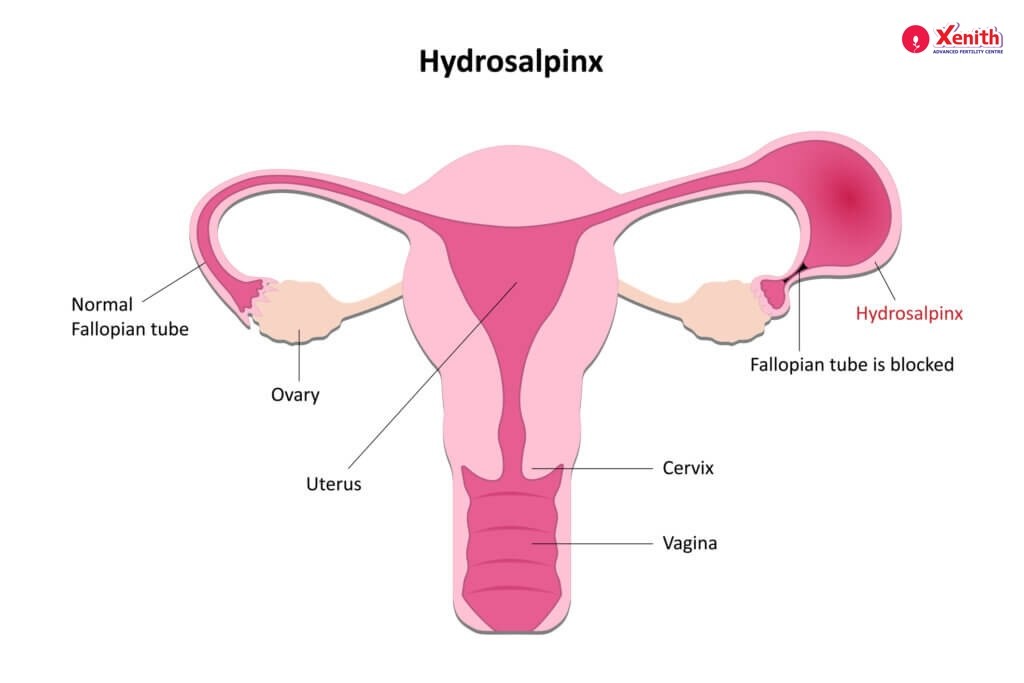
Hydrosalpinx is an important and treatable cause of tubal-factor fertility, and if left untreated, it can significantly reduce IVF implantation and pregnancy success rates.
Causes of Hydrosalpinx
Hydrosalpinx usually develops due to infection or inflammation over time. Some common causes include:
- Pelvic Inflammatory Disease (PID) – a common cause linked to untreated infections
- Sexually transmitted infections (STIs) like chlamydia or gonorrhea
- Previous pelvic or abdominal surgeries
- Endometriosis, where tissue grows outside the uterus
- Untreated infections in the reproductive system
In many cases, the damage happens slowly, and women may not even realize it until they face difficulty conceiving.
Symptoms of Hydrosalpinx
One tricky part about this condition is that it often shows no clear symptoms. Many women only discover it during fertility tests.
However, some may experience:
- Mild or chronic pelvic pain
- Unusual vaginal discharge
- Feeling of heaviness in the lower abdomen
- Difficulty getting pregnant
Because symptoms are not always obvious, it is important to investigate properly if conception is delayed.
How Hydrosalpinx Affects Fertility
Hydrosalpinx has a direct impact on natural fertility:
- It blocks the fallopian tubes, preventing egg and sperm from meeting
- It stops fertilization from happening naturally
- It creates an unhealthy environment for early embryo development
So even before IVF, hydrosalpinx fertility challenges can make conception difficult.
Why Hydrosalpinx Causes IVF Failure
Many people think IVF bypasses the fallopian tubes, so hydrosalpinx should not matter. But that’s not completely true.
Here’s how it affects IVF:
- The fluid inside the tube leaks into the uterus
- This fluid can be toxic to the embryo
- It may wash away the embryo after transfer
- It reduces the chances of successful implantation
This answers a very common question: does hydrosalpinx affect implantation? Yes, it does—significantly.
Studies have shown that untreated hydrosalpinx can reduce IVF success rates by up to 50%. That’s why addressing fluid in fallopian tube IVF success is crucial.
Diagnosis at Xenith IVF
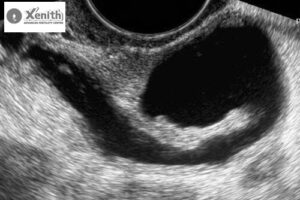
At Xenith IVF, diagnosing hydrosalpinx is done through a combination of advanced tests:
- Ultrasound imaging – to detect fluid-filled tubes
- HSG (Hysterosalpingography) – a dye test to check tube blockage
- Laparoscopy – a minor surgical procedure for detailed examination
- Complete fertility evaluation to understand the full picture
Accurate diagnosis is the first step toward effective treatment.
Treatment Options Before IVF
If hydrosalpinx is diagnosed, doctors usually recommend treating it before starting IVF.
Surgical Treatment
- Salpingectomy – removal of the affected fallopian tube
- Tubal clipping or blocking – sealing the tube to stop fluid leakage
These are the most effective options when planning IVF.
Medical Approach
- Antibiotics – used if there is an active infection
However, medicines alone usually cannot fix the structural damage in the tube.
Choosing the right hydrosalpinx treatment before IVF can make a big difference in your outcome.
IVF After Hydrosalpinx Treatment
Once the condition is treated, IVF success rates improve significantly.
Benefits include:
- Better implantation rates
- Higher chances of pregnancy
- Improved embryo survival
- Lower risk of miscarriage
In simple terms, the uterus becomes a safer and more supportive place for the embryo.
Can You Do IVF Without Treating Hydrosalpinx?
Technically, yes, you can proceed with IVF without treating hydrosalpinx.
But it is not recommended.
Why?
- Lower success rates
- Higher chances of repeated IVF failure
- Increased emotional and financial stress
If you are already investing time, energy, and money into IVF, it makes sense to first fix any issues that could reduce success.
When Should You See a Fertility Specialist?
You should consider consulting a fertility expert if you have:
- Repeated IVF failure
- Known blocked fallopian tubes IVF concerns
- Difficulty conceiving naturally
- History of pelvic infections or surgeries
Early diagnosis can save time and improve outcomes.
Why Choose Xenith IVF

Choosing the right fertility clinic is just as important as the treatment itself. At Xenith IVF, you get:
- Advanced diagnostic technology
- Expert surgical and fertility specialists
- Personalized IVF treatment plans
- A strong track record of success
The focus is not just on treatment, but on giving you the best possible chance at parenthood.
FAQs
- What is hydrosalpinx in fertility?
Hydrosalpinx is a condition where the fallopian tube is blocked and filled with fluid, affecting natural conception and IVF success.
- Does hydrosalpinx affect IVF success?
Yes, it can significantly reduce IVF success rates by interfering with embryo implantation.
- Can hydrosalpinx be treated without surgery?
In some cases, antibiotics may help if infection is present. But most cases require surgical treatment for effective results.
- Is IVF successful after hydrosalpinx removal?
Yes, IVF success rates improve greatly after removing or blocking the affected tube.
- Can you get pregnant naturally with hydrosalpinx?
It is difficult, especially if both tubes are affected. IVF after treatment is usually the better option.
Conclusion
Hydrosalpinx is a serious but treatable cause of IVF failure. Many couples are unaware of this condition until they face repeated implantation issues.
With early diagnosis and proper treatment, your chances of IVF success can improve significantly. Addressing hydrosalpinx symptoms and treatment at the right time can make all the difference in your fertility journey.
Book a consultation with Xenith IVF today and take the next step toward a successful pregnancy.