
Seasonal Changes and Sperm Quality: How Summer, Winter, and Monsoon Affect Male Fertility in Maharashtra
If you live in Pune or nearby industrial areas like Pimpri-Chinchwad, Chakan, Ranjangaon, or Talegaon, you already know one thing—the weather here is extreme and unpredictable. Summers are harsh, monsoons are humid, and winters come with pollution and smog.

Free Thursday Consultation
Book Your AppointmentBut here’s a question many men silently wonder (and often Google or ask on Quora):
Can these seasonal changes affect my sperm quality and fertility?
The short answer is yes. Male fertility is closely linked to temperature, environment, lifestyle, and overall health. In this blog, we’ll break it down in simple English and explain how summer, monsoon, and winter in Maharashtra can impact sperm health—and what you can do to protect it.
The Seasonal “Sperm Cycle”: Fact vs. Fiction
Is Fertility Really Seasonal?
Many people believe that fertility increases in winter because they hear about “winter pregnancies” or “September baby booms.” This idea is not entirely wrong—but it’s not magic either.
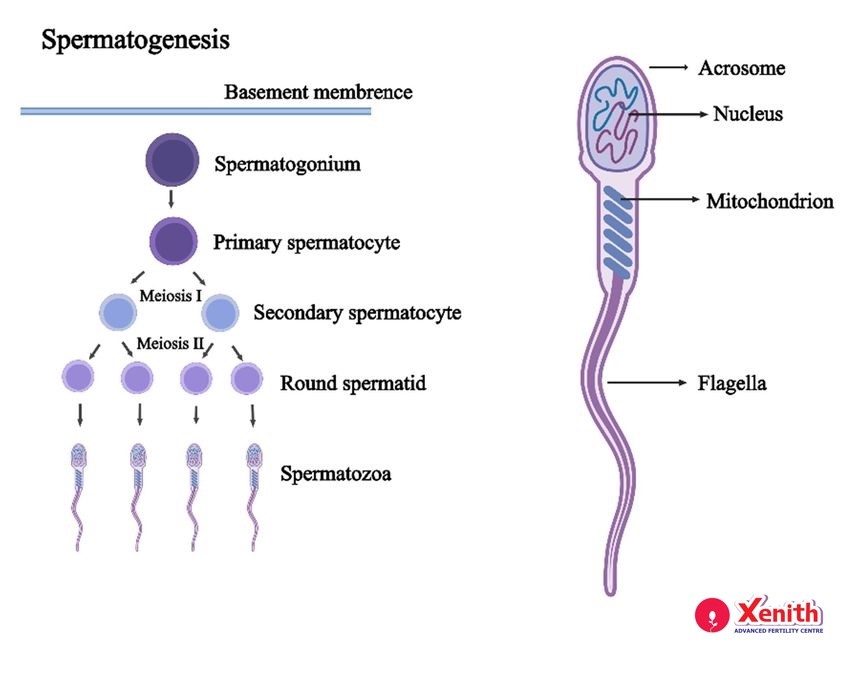
Sperm production, also called spermatogenesis, takes about 72 days (around 2.5–3 months). This means:
- The sperm you have today was actually formed three months ago
- Any fever, heat stress, illness, or pollution exposure from the past can show its effect now
Global research has shown birth spikes in certain months, often linked to better sperm quality during cooler seasons and improved hormone balance. So yes, fertility can show seasonal patterns, but it’s all biology—not coincidence.
The Scrotal Thermostat
Your body is very smart. The testes are kept 2–3°C cooler than your body temperature because sperm needs a cooler environment to develop properly.
That’s why the testes hang outside the body.
Now think about Indian conditions:
- Long bike rides in heat
- Tight jeans
- High humidity
- Sitting for long hours
All these disturb this delicate cooling system. In Maharashtra, seasonal temperature swings make this balance even harder to maintain.
The Three Phases of the Maharashtra Calendar
The Intense Summer Heat (March – June)
Pune summers are no joke. Temperatures often cross 40°C, especially for men who commute daily on bikes or work outdoors or in factories.
A very common worry we hear is:
“Does riding my bike in the heat kill my sperm?”
Not instantly—but long-term heat exposure can definitely harm sperm health.
What happens in extreme heat?
- Reduced sperm motility (movement)
- Lower sperm count
- Increased DNA fragmentation (damage inside the sperm)
- Temporary or sometimes prolonged fertility issues
Continuous scrotal heat stress from:
- Hot weather
- Engine heat from bikes
- Traffic congestion
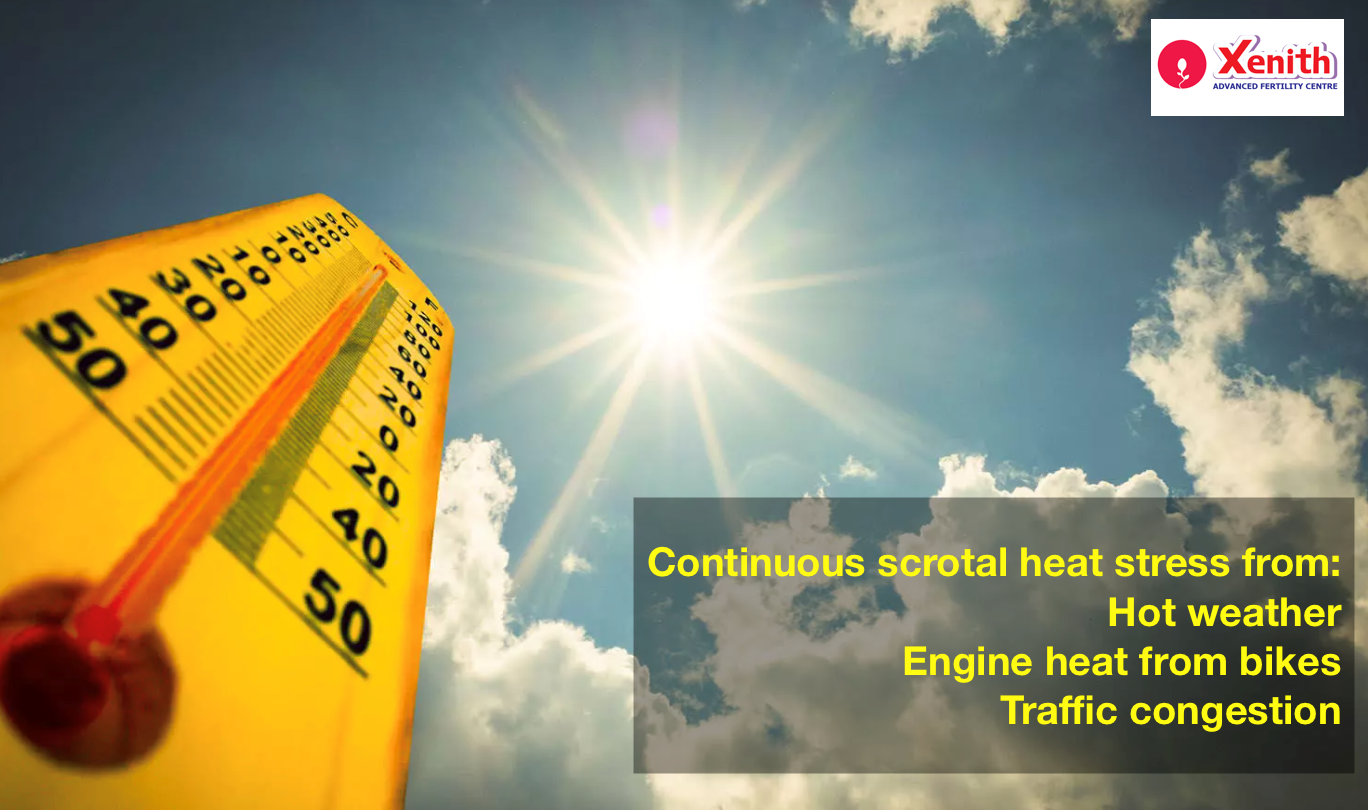
can slowly reduce sperm quality, especially if you’re trying to conceive.
The Monsoon Humidity and Infections (July – September)
Monsoon brings relief from heat, but it comes with high humidity and infections.

During this season:
- Viral fevers like Dengue, Malaria, and Viral Fever increase
- Even a short fever can affect sperm production
- Important to know:
After a fever, sperm quality may drop temporarily and usually needs around 3 months to recover.
Humidity also increases:
- Fungal infections
- Excess sweating
- Local heat stress around the groin area
If you’ve had a fever in monsoon and are trying for a baby immediately after, your results may not reflect your true fertility potential.
The Winter Smog and Pollution (October – February)
Winter in Pune often comes with poor air quality, especially near IT parks, highways, and industrial belts.
This is the invisible culprit many men ignore.
PM2.5 particles from pollution can:
- Affect sperm shape (morphology)
- Reduce sperm count
- Increase oxidative stress in sperm

- Another hidden issue is Vitamin D deficiency.
Even though it’s winter, men spend:
- Less time in sunlight
- More time indoors
Low Vitamin D levels are linked to:
- Reduced testosterone
- Poor sperm parameters
Mitigation Strategies: Protect Your Fertility
The good news? You can’t control the weather, but you can control your habits.
Seasonal Cooling Habits: Practical Tips for Pune Men
Here are simple, realistic steps you can follow:
- Wear breathable cotton underwear
- Avoid tight jeans or tight innerwear
- Take short breaks during long bike or car commutes
- Avoid placing laptops directly on your lap
- Try lukewarm to cool showers—they help in scrotal cooling and blood circulation
- Stay hydrated throughout the day
Small lifestyle changes can make a big difference over 2–3 months.
The “Desi” Seasonal Diet
Many men search online for “cooling foods for sperm health”, and honestly, our traditional diet already has great answers.

In summer and monsoon:
- Watermelon
- Coconut water
- Chaas (buttermilk)
- Cucumber
- Seasonal fruits
In winter and pollution months:
- Foods rich in antioxidants
- Vitamin C and E
- Zinc and Selenium (nuts, seeds, legumes)
A balanced, seasonal diet supports sperm repair and protects against environmental damage.
When to Get a Seasonal Fertility Check
The Role of Semen Analysis
Many men assume one semen test tells the full story. But that’s not always true.
Because sperm production takes 72 days:
- A test done immediately after fever, illness, or heatwave may show poor results
- Repeat testing after 2–3 months often gives a clearer picture
At XenithIVF, we also offer advanced diagnostics like:
- Sperm DNA Fragmentation Analysis, which checks internal sperm damage—not just count or movement
This is especially important for men exposed to heat, pollution, or industrial stress.
Timing Your Fertility Treatment
At XenithIVF Pune, we help couples:
- Plan IVF or IUI cycles based on recovery periods
- Avoid rushing treatment during poor sperm health phases
- Improve outcomes by aligning treatment with optimal seasonal health
Sometimes, waiting and preparing is better than acting immediately.
Advanced Andrology at XenithIVF Pune
Beyond Simple Success Rates
Male fertility is not just about numbers on a report.
Our team understands:
- The lifestyle of men working in Pune’s IT parks and industrial zones
- Long work hours, stress, pollution, and commuting challenges
We offer:
- Specialized male-factor counseling
- Personalized supplement and lifestyle plans
- Focus on long-term reproductive health, not just one test result
A Partner in Your Fatherhood Journey
Our state-of-the-art andrology labs don’t just give data—they provide clarity and direction.
Whether you’re:
- Planning naturally
- Preparing for IVF/IUI
- Recovering after illness or heat exposure
We walk with you at every step.
Nature Changes, But Science Stays Constant
Seasons will change. Summers will be hot. Monsoons will be humid. Winters will bring pollution.
But your response to these changes is what truly matters. With the right habits, timely testing, and expert guidance, male fertility can be protected and improved—no matter the season.
Worried about how recent heatwaves, pollution, or illness may have affected your fertility?
Don’t leave your fatherhood dreams to the season.
Schedule a comprehensive semen analysis and consult with our andrology experts at XenithIVF Pune today.