Introduction: Understanding Immune Infertility
For many couples trying to conceive, infertility can feel confusing and emotionally draining. Often, tests come back normal, yet pregnancy does not happen. In some cases, the reason may be something called Antisperm Antibodies (ASA), a condition where the body’s own immune system mistakenly attacks sperm.
This may sound surprising. After all, the immune system is supposed to protect us from infections and diseases. But sometimes the body can treat its own cells as “foreign.” When this happens with sperm, it can affect male fertility.

Free Thursday Consultation
Book Your AppointmentAntisperm Antibodies are considered a less commonly discussed but important cause of male infertility. The good news is that once identified, there are effective treatment options available today, including advanced fertility techniques.
Understanding this condition can help couples move from confusion to clarity and from stress to a clear treatment plan.
What are Antisperm Antibodies (ASA)?
Antisperm Antibodies are proteins produced by the immune system that mistakenly attack a man’s own sperm.
Here is a simple way to understand it:
- The immune system identifies sperm as “foreign” and produces antibodies against them.
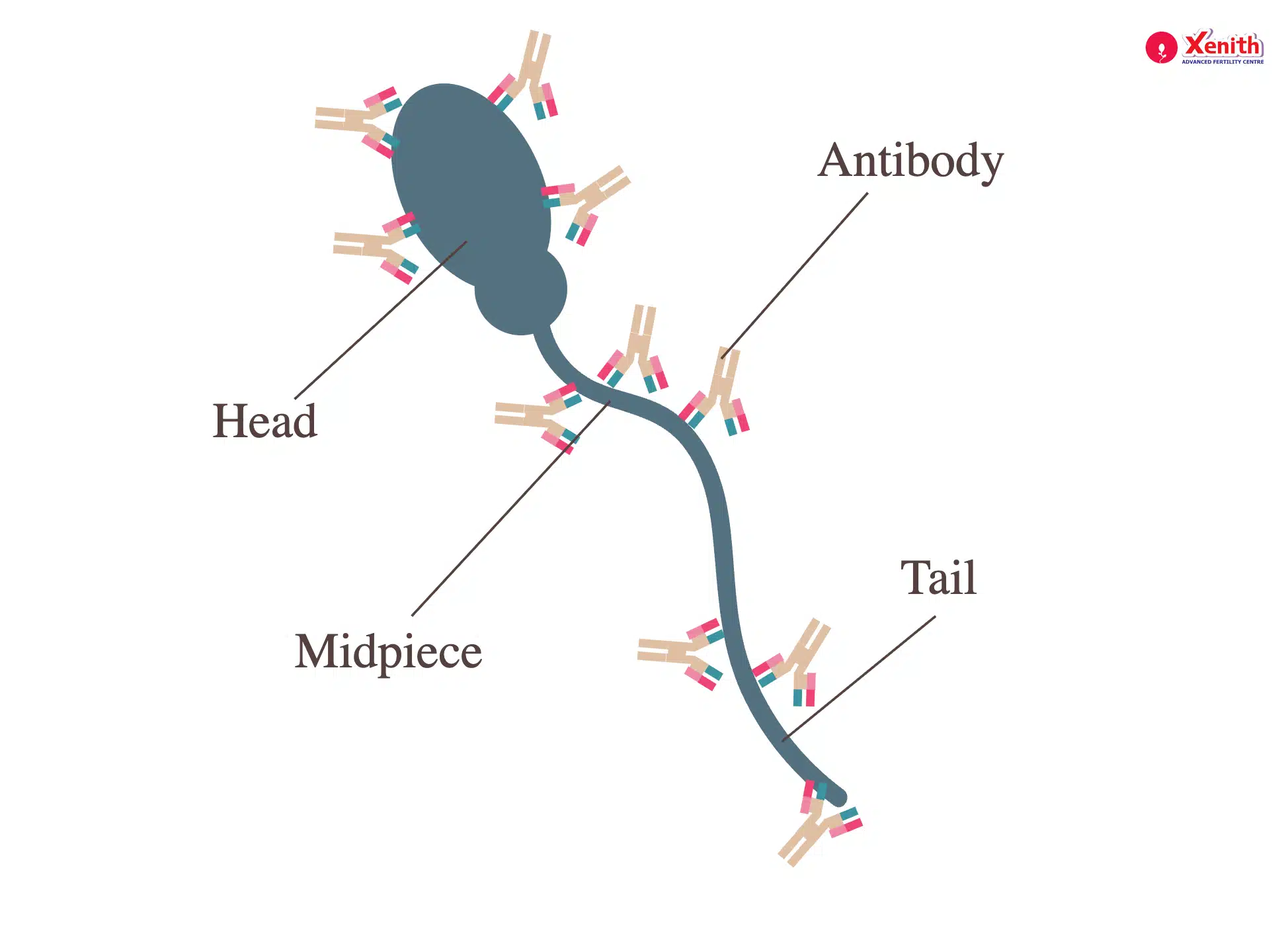
- These antibodies attach themselves to sperm cells.
- This can cause sperm to clump together (agglutination).
- It can also reduce sperm movement and function, making it harder for them to reach the egg.
In short, even if sperm are present in the semen, antibodies can interfere with their ability to fertilize the egg.
How Does ASA Cause Male Infertility?
Antisperm antibodies affect sperm in a few important ways.
Normally, sperm must swim through the female reproductive tract, reach the egg, and then penetrate it for fertilization. When antibodies attach to sperm, they can disrupt this process.
They may:
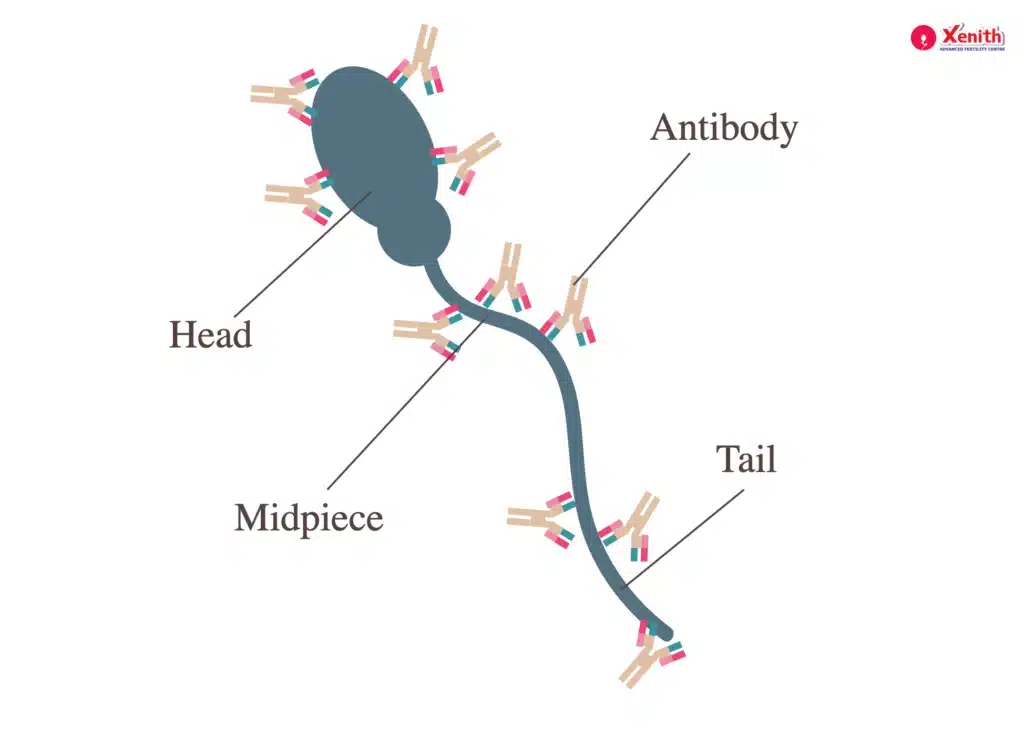
- Bind to the head of the sperm, preventing it from attaching to the egg.
- Bind to the tail of the sperm, reducing movement.
- Cause sperm clumping, which prevents them from swimming properly.
Because of these effects, sperm may struggle to travel through cervical mucus or may fail to fertilize the egg even if they reach it.
The Root Causes and Risk Factors for ASA
In many men, sperm are protected from the immune system by a natural barrier called the blood-testis barrier. This barrier prevents immune cells from interacting with sperm.
However, if this protective barrier is damaged or disturbed, the immune system may suddenly “see” sperm and start producing antibodies against them.
Events that Trigger an Immune Response
Several medical events or conditions can trigger the formation of antisperm antibodies.
Common triggers include:
- Trauma or injury to the testes or scrotum – Accidents or sports injuries can sometimes disrupt the natural barrier protecting sperm.
- Infection or inflammation – Conditions like severe epididymitis or orchitis may expose sperm to the immune system.
- Previous surgeries – Procedures such as vasectomy reversal or hernia repair may increase the risk of antibody formation.
- Blockage of sperm flow – Obstructions in the reproductive tract can lead to immune reactions against sperm.
It is important to note that in some cases, the exact cause may not be identified. The body may develop antibodies without a clear triggering event.
When Are ASA Suspected?
Doctors usually suspect antisperm antibodies when couples face unexplained infertility.
Typical situations include:
- A couple trying to conceive for a long time without success.
- Semen analysis showing sperm clumping.
- Reduced sperm movement without a clear reason.
These findings often lead fertility specialists to recommend specialized testing.
The Diagnostic Roadmap at a Pune Clinic
Diagnosing antisperm antibodies requires more than just a basic semen test. Fertility clinics use specialized laboratory techniques to confirm whether antibodies are present and affecting sperm function.
The process usually involves a few simple steps.

Initial Steps: Semen Analysis and Medical History
The first test most men undergo is a semen analysis.
During this test, the laboratory evaluates:
- Sperm count
- Sperm movement (motility)
- Sperm shape (morphology)
- Presence of sperm clumping
Clumping or reduced motility may raise suspicion of antisperm antibodies.
Doctors also review the patient’s medical history, looking for factors such as:
- Previous infections
- Surgeries
- Injuries to the testes or scrotum
This information helps guide further testing.
The Gold Standard: MAR and ImmunoBead Tests
To confirm the presence of antisperm antibodies, specialized tests are performed.
The most commonly used tests include:
Mixed Antiglobulin Reaction (MAR) Test
This test checks whether antibodies are attached to the sperm surface. It also measures what percentage of sperm are affected.
ImmunoBead Test (IBT)
This test identifies exactly where antibodies are attached—on the sperm head, tail, or both.
These tests are considered the gold standard for diagnosing antisperm antibodies.
Interpretation and Next Steps
After testing, doctors evaluate the results carefully. If more than 50% of sperm are coated with antibodies, the condition is considered significant and likely to affect fertility.
Based on the results, the fertility specialist recommends the most appropriate treatment path. This may include medical management or assisted reproductive techniques.
Advanced Treatment Options for ASA
Treatment for antisperm antibodies depends on the severity of the condition and the couple’s overall fertility profile.
Doctors usually consider two main approaches: medical treatment and assisted reproductive technology.
Medical Interventions
Some treatments aim to reduce the immune response or improve sperm preparation.
Common options include:
- Corticosteroids
These medications suppress the immune system and may reduce antibody levels. However, they are used cautiously due to potential side effects and limited success rates.

- Sperm Washing
This laboratory technique separates healthy sperm from semen and removes antibody-coated particles. The processed sperm can then be used for fertility treatments like IUI or IVF.
Assisted Reproductive Technology (ART): The Most Effective Path
For couples with high levels of antisperm antibodies, Assisted Reproductive Technology (ART) often provides the best chance of pregnancy.
IUI (Intrauterine Insemination) involves placing prepared sperm directly into the uterus. However, when antibody levels are high, IUI success rates may be lower.
The most effective treatment is usually:
IVF with ICSI (Intracytoplasmic Sperm Injection)
In this advanced procedure:
- A single healthy sperm is selected.
- It is directly injected into the egg in the laboratory.
- This completely bypasses the natural barriers caused by antibodies.
Because ICSI eliminates the need for sperm to penetrate the egg on its own, it is considered the most reliable solution for immune-related male infertility.
Your Partner in Pune: Why Choose Xenith IVF
When dealing with complex fertility conditions like antisperm antibodies, choosing the right clinic makes a big difference.
A specialized fertility centre in Pune provides advanced testing, experienced specialists, and personalized care.
Specialized Male Fertility Team
Accurate diagnosis requires close collaboration between specialists.
A strong fertility team usually includes:
- Urologists or Andrologists, who focus on male reproductive health.
- Embryologists, who handle sperm testing and laboratory procedures.
This teamwork ensures the best approach for diagnosis and treatment.
Personalized ASA Protocol
Every couple’s fertility journey is different.
Leading clinics develop personalized treatment protocols, which may include:
- Advanced sperm preparation techniques
- ICSI-grade sperm processing
- Customized IVF treatment plans
- Careful follow-up and monitoring
This individualized approach improves success rates and patient confidence.
ASA and the Indian Couple
In India, male infertility is still surrounded by social stigma. Many couples hesitate to discuss male factor infertility openly. Conditions like antisperm antibodies are often called “invisible infertility” because there may be no obvious symptoms. This can take an emotional toll on couples.
For many families, moving directly to effective treatments like ICSI can be more cost-effective than undergoing multiple unsuccessful IUI cycles. Understanding the condition and choosing the right treatment early can save both time and emotional stress.
FAQs: Common Questions on Antisperm Antibodies
Not necessarily. Even if antibodies remain present, modern fertility treatments like IVF with ICSI can bypass the problem and offer excellent chances of conception.
If antibody levels are low, natural conception or IUI may still be possible. However, when more than 50% of sperm are affected, ICSI is usually recommended.
No. Antisperm antibodies discussed here refer to a male condition. Women can have different immune-related fertility issues, such as anti-ovarian antibodies, but they are separate conditions.
Success rates for IVF with ICSI are generally similar to other IVF cases when sperm health is otherwise normal. Many couples with ASA successfully achieve pregnancy through this method.
Conclusion: Taking the Next Step
Antisperm antibodies may sound complicated, but the important message is simple: immune infertility is treatable. With modern diagnostic tests and advanced fertility treatments like ICSI, many couples affected by antisperm antibodies go on to achieve successful pregnancies.
If you and your partner are struggling with unexplained infertility or have been diagnosed with antisperm antibodies, the right medical guidance can make all the difference.
Ready to move past the roadblock of Antisperm Antibodies? Schedule a private consultation with our fertility experts at Xenith IVF, Pune today and take the next step toward parenthood.