
 Maximum Delay in Periods If Not Pregnant: When Is It Time to Worry?
One of the most common messages I receive from patients begins with a simple question: “Doctor, my period is late, but I’m not pregnant. Should I be worried?”

Free Thursday Consultation
Book Your AppointmentSometimes the delay is just three or four days. Sometimes it has been two weeks, and the pregnancy test is negative. By the time women come to see me, many have already searched the internet for every possible explanation and are understandably anxious.
The first thing I always tell them is this: a delayed period does not automatically mean something is seriously wrong.
Over the years, I have seen women whose periods were delayed simply because of work-related stress, travel, or sudden changes in their routine. I have also diagnosed conditions such as PCOS or thyroid disorders in women who initially assumed they were just “a little late.” The key is knowing what is considered normal and when a delay deserves further evaluation.
If you’ve been searching for the maximum delay in periods if not pregnant, this guide will help you understand what is normal, what can cause delayed periods, and when it is time to consult a doctor.
What Is Considered a Normal Delay?
A menstrual cycle is measured from the first day of one period to the first day of the next. Although many people believe every cycle should be exactly 28 days, that simply isn’t true. Healthy menstrual cycles vary from woman to woman, and even the same woman may not have identical cycle lengths every month.
In general:
Cycle Variation | Is It Usually Normal? |
1–7 days earlier or later than your usual cycle | Yes, often normal |
More than 7–10 days late occasionally | May need observation, depending on symptoms |
More than 2–3 weeks late with repeated negative pregnancy tests | Medical evaluation is recommended |
No period for three months or longer (without pregnancy) | Prompt medical assessment is necessary |
When patients ask me how many days delay is normal, I explain that the answer depends on their usual menstrual pattern. For example, if your cycle is normally 30 days, getting your period on Day 33 or Day 35 is often not a cause for concern. However, if your periods are consistently regular and suddenly become significantly delayed, it is worth looking for an underlying reason.
Maximum Delay in Periods If Not Pregnant
There is no single number that applies to every woman. Some women naturally have longer cycles, while others experience occasional delays because ovulation occurred later than usual.
However, if pregnancy has been ruled out and your period has been delayed by several weeks, or if delays happen repeatedly, it should not be ignored. One delayed cycle may simply reflect temporary hormonal changes. Repeated delays, however, often indicate that ovulation is occurring irregularly or not at all. This is particularly important for women who are trying to conceive because regular ovulation plays a central role in fertility.
Common Causes of a Late Period When You’re Not Pregnant
One of the biggest misconceptions I encounter is that pregnancy is the only reason for a missed period. In reality, there are many period late but not pregnant causes, and most are treatable once identified.
Polycystic Ovary Syndrome (PCOS)
PCOS is one of the most common causes of irregular or delayed periods. Women with PCOS may ovulate infrequently, resulting in menstrual cycles that are much longer than usual.
Some women experience only six or seven periods each year. If you have irregular periods along with acne, weight gain, or increased facial hair growth, your doctor may recommend evaluation for PCOS.
Thyroid disorders
Both an underactive and an overactive thyroid can disrupt the hormones that regulate the menstrual cycle. I often recommend thyroid testing when women present with unexplained delayed periods, especially if they also have fatigue, weight changes, hair loss, or changes in energy levels.
Stress
This is something I see very frequently. Emotional stress, examinations, work pressure, family concerns, or even planning a wedding can temporarily affect ovulation.
I remember one patient whose periods had always been regular until she started preparing for a major professional examination. Her cycle returned to normal once the stress reduced. The body often responds to significant emotional strain by delaying ovulation, which naturally delays the menstrual period.
Sudden weight changes
Rapid weight loss, significant weight gain, strict dieting, or excessive exercise can all interfere with hormone production. The reproductive system is closely linked to overall nutrition and body health. Even healthy lifestyle changes can affect the menstrual cycle if they occur very rapidly.
Perimenopause
Women approaching their forties or late reproductive years may notice increasing variation in cycle length. This stage, known as perimenopause, is characterised by hormonal fluctuations that often cause periods to become irregular before menopause eventually occurs.
What If the Pregnancy Test Is Negative?
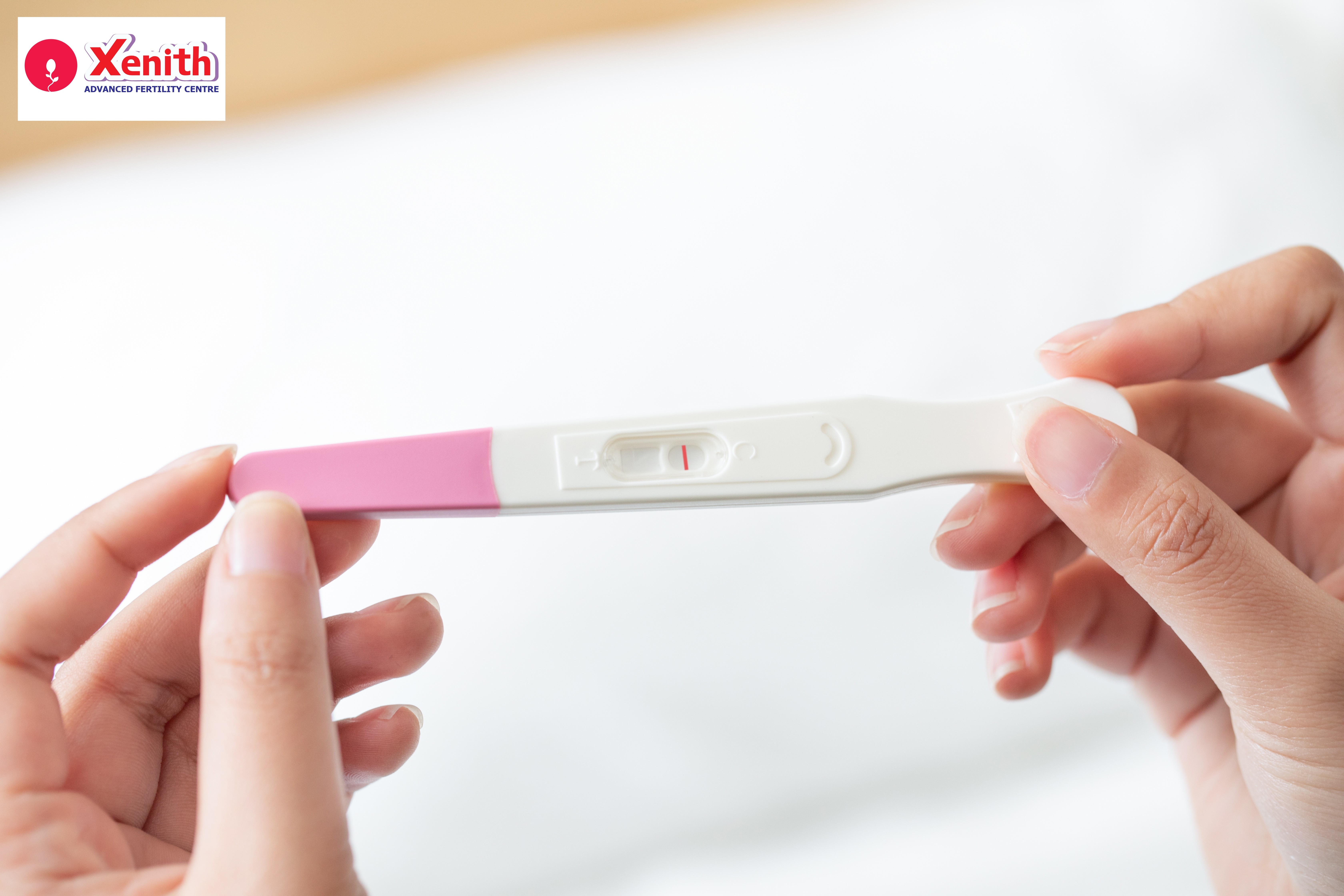
One situation that causes considerable anxiety is a missed period with a negative pregnancy test. In many cases, the explanation is straightforward.
Pregnancy tests detect the hormone hCG, which rises only after implantation. If testing is done very early, the hormone level may still be too low to detect. For this reason, I usually advise repeating the pregnancy test after a few days if pregnancy remains possible.
However, if repeated tests remain negative and the period still does not begin, further evaluation becomes appropriate.
At that point, your doctor may recommend:
- A pelvic ultrasound
- Hormone tests
- Thyroid function tests
- Evaluation for PCOS
- Additional investigations depending on your symptoms
Rather than repeatedly taking home pregnancy tests, it is often more helpful to identify why ovulation has been delayed.
Before Seeing a Doctor: A Simple Self-Checklist
Before your consultation, I encourage patients to gather some basic information about their menstrual cycle. This makes it much easier for us to understand the pattern and identify possible causes.
Try to note:
- The first day of your last three menstrual periods
- Your usual cycle length
- Whether your periods are normally regular or irregular
- The date of your last pregnancy test and its result
- Any recent stress, illness, travel, or major lifestyle changes
- Recent weight gain or weight loss
- Symptoms such as acne, excessive hair growth, pelvic pain, abnormal discharge, or breast tenderness
I often tell my patients that a menstrual tracking app or calendar is one of the simplest yet most valuable tools they can use. Looking at the last three cycles often reveals patterns that are difficult to remember during a consultation.
When Should You Wait, and When Should You See a Doctor?
Most women do not need to panic after a period is just a few days late.
If your cycles are usually regular and you have no concerning symptoms, it is reasonable to wait a short time while monitoring your cycle.
However, I recommend scheduling a medical evaluation if:
- Your period is more than two to three weeks late and pregnancy tests are negative.
- You repeatedly experience delayed or irregular periods.
- Your periods have stopped for three months or longer.
- You have severe pelvic pain or unusually heavy bleeding.
- You have symptoms suggesting PCOS or thyroid disease.
- You are trying to conceive and your cycles have become unpredictable.
Early evaluation often provides reassurance when everything is normal and allows timely treatment if an underlying condition is present.
Final Thoughts
 If you’ve been searching for the maximum delay in periods if not pregnant, remember that there is no single number that applies to every woman. Menstrual cycles naturally vary, and a delay of a few days is often completely normal. What matters more is your usual cycle pattern, whether the delays are becoming frequent, and whether other symptoms are present.
Throughout my years of practice, I have learned that delayed periods are often the body’s way of signalling that something has changed, whether it is stress, hormonal imbalance, thyroid disease, PCOS, or simply a temporary shift in ovulation. Rather than assuming the worst or relying solely on internet searches, I encourage women to observe their cycles carefully and seek medical advice when delays become persistent.
At Xenith, we offer comprehensive evaluation for irregular and delayed periods, including hormonal assessment, pelvic ultrasound, and personalised treatment plans. Whether you are planning a pregnancy or simply want to understand why your cycle has changed, our team is here to help you find answers with confidence and compassionate care.