Egg Quality vs Egg Quantity: What Matters More?
When it comes to fertility, many women often hear, “Your egg count matters.” But it’s not just about how many eggs you have, but also how healthy those eggs are.
Free Thursday Consultation
Book Your AppointmentThink of it like this: having a big basket of fruits is great, but if most fruits are not fresh, they won’t help much. Similarly, both egg quality and egg quantity play a role in fertility and IVF success.
Understanding the difference between the two can help you make better decisions whether you are planning for pregnancy now, considering IVF, or just thinking about future family planning. Also, age plays a very important role here, influencing both quality and quantity over time.
What Is Egg Quantity?
Egg quantity simply means the number of eggs present in your ovaries. In medical terms, this is called your ovarian reserve.
Every woman is born with a fixed number of eggs. Over time, this number naturally reduces. This decline is normal and happens with age.

|
Doctors measure egg quantity using:
• AMH (Anti-Müllerian Hormone) levels – a blood test that gives an idea of your ovarian reserve
• Antral Follicle Count (AFC) – seen through ultrasound, showing how many follicles (potential eggs) are present
So if someone says, “Your AMH is low,” it usually means your egg quantity is lower than expected.
What Is Egg Quality?

|
Egg quality refers to how healthy and genetically normal your eggs are.

|
This is very important because even if you have many eggs, they need to be healthy enough to:
• Get fertilized
• Develop into a strong embryo
• Implant properly in the uterus
• Lead to a healthy pregnancy
Poor egg quality can lead to:
• Failed fertilization
• Poor embryo development
• Miscarriages
Unlike quantity, egg quality cannot be directly measured with a simple test. Doctors usually assess it indirectly based on age, IVF outcomes, and embryo development.
Egg Quality vs Egg Quantity: Key Differences
Here’s a simple comparison to understand better:
Factor | Egg Quantity | Egg Quality |
Definition | Number of eggs | Health of eggs |
Measurement | AMH, AFC | Indirect (age, IVF outcomes) |
Age Impact | Gradual decline | Sharp decline after 35 |
Role in Fertility | More eggs available | Determines pregnancy success |
IVF Impact | Affects response to stimulation | Affects embryo quality |
In simple words:
Quantity gives you chances. Quality gives you success.
Which Matters More for Fertility?
This is the most common question—and the honest answer is:
Egg quality matters more.
Even if a woman has fewer eggs, if those eggs are of good quality, chances of:
• Fertilization
• Implantation
• Healthy pregnancy
are much higher.
However, egg quantity is still important, especially in IVF. Why? Because more eggs mean more chances to retrieve and create embryos.
So ideally, you need a balance, but if you had to choose, quality is what you are looking for.
How Age Affects Egg Quality and Quantity
Age is one of the biggest factors affecting fertility.
• In your late 20s, fertility is usually at its peak
• After 30, both egg quality and quantity start declining
• After 35, egg quality declines faster
• After 40, the decline becomes more significant
As age increases:
• Eggs are more likely to have chromosomal abnormalities
• Risk of miscarriage increases
• IVF success rates may reduce
That’s why doctors often say: “Time matters in fertility.”
Signs of Low Egg Quality or Quantity
Sometimes, your body gives signals. Some common signs include:
• Difficulty conceiving (trying for months without success)
• Repeated IVF failure
• Recurrent miscarriages
• Irregular menstrual cycles
However, many women may not notice any symptoms at all. That’s why testing is important.
Diagnosis at Xenith IVF
At Xenith IVF, a proper fertility evaluation includes:
• AMH testing to assess ovarian reserve
• Antral follicle count (AFC) via ultrasound
• Hormonal evaluation
• IVF cycle response analysis (if applicable)
This helps doctors understand both egg quantity and probable quality, and then create a personalized treatment plan.
Can Egg Quality Be Improved?
This is a common concern—and the answer is: you can support egg quality, but not completely change it.
Some helpful approaches include:
1. Healthy Diet
Include foods rich in antioxidants like fruits, nuts, green vegetables.
 |
2. Lifestyle Changes
• Avoid smoking and alcohol
• Maintain a healthy weight
• Exercise regularly
 |
3. Stress Management
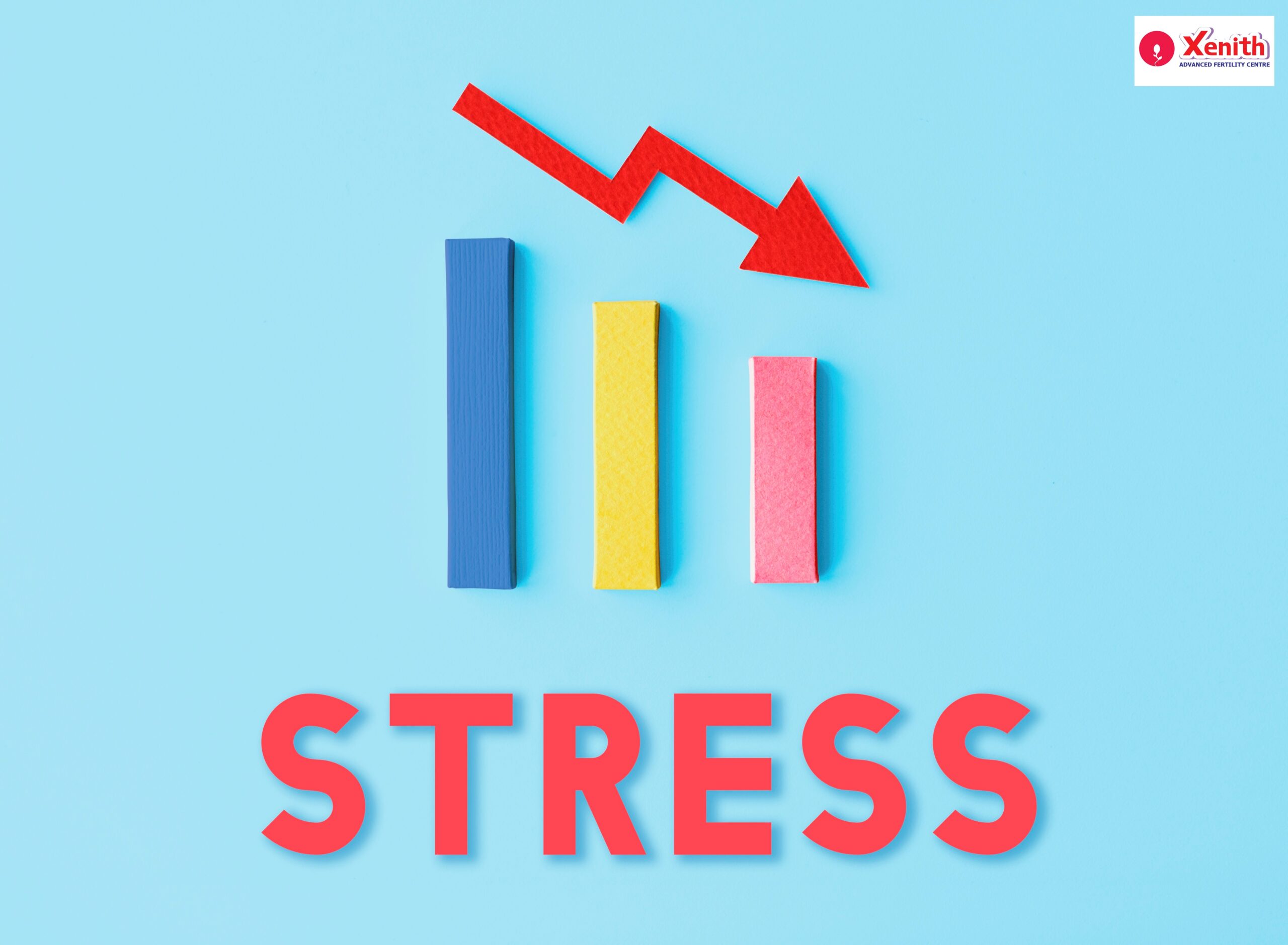
High stress affects hormones. Practices like yoga, meditation can help.
 |
4. Supplements
Doctors may recommend supplements like CoQ10, vitamins, etc. but always take them under medical guidance.
Treatment Options for Low Egg Reserve or Poor Quality
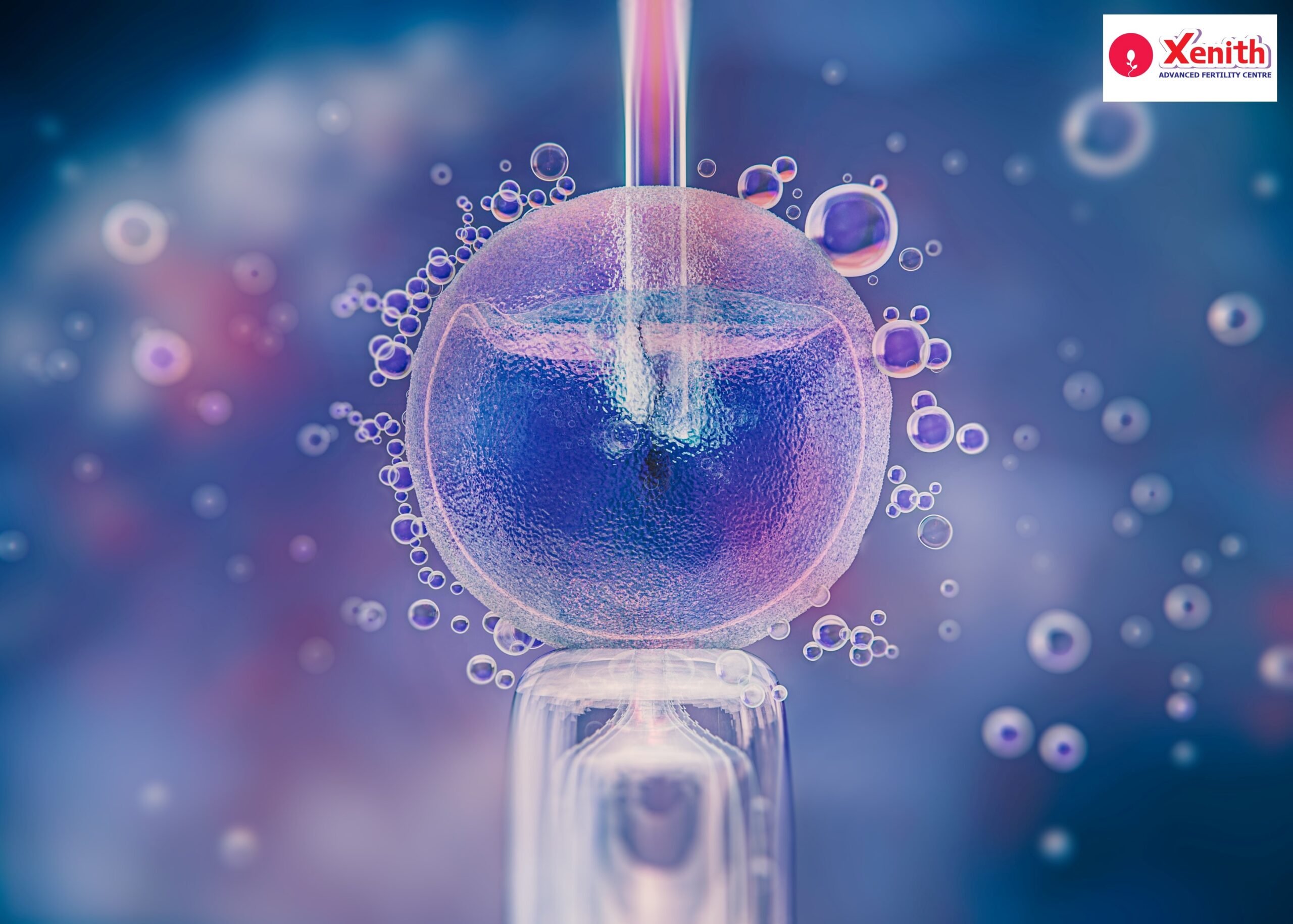
If there are issues with egg quality or quantity, following options are available:
 |
• Ovulation stimulation to improve egg production
• IVF / ICSI for better fertilization chances
• Egg freezing for future planning
• Donor eggs in advanced cases
Each case is different, so treatment is always personalized.
When Should You See a Fertility Specialist?
You should consider consulting a specialist if:
• You have been trying to conceive without success
• You are above 30–35 and planning pregnancy
• You have low AMH levels
• You have experienced recurrent pregnancy loss
Early consultation can make a big difference.
Why Choose Xenith IVF
Xenith IVF offers:

|
• Advanced ovarian reserve testing
• Personalized fertility treatment plans
• Experienced fertility specialists
• High success rate IVF programs
The goal is not just treatment, but helping you achieve a healthy pregnancy with the right guidance.
FAQs Section
1. What is more important: egg quality or quantity?
Egg quality is more important because it directly affects fertilization and pregnancy success.
2. Can egg quality be improved naturally?
You can support egg quality with a healthy lifestyle, diet, and stress management, but complete improvement is limited.
3. What is a good AMH level for pregnancy?
AMH levels vary, but generally, moderate levels indicate a healthy ovarian reserve. A doctor can interpret it best.
4. Does IVF work with low egg count?
Yes, IVF can still work with low egg count, especially if egg quality is good.
5. At what age does egg quality decline?
Egg quality starts declining after 30 and drops more significantly after 35.
Conclusion
Both egg quality and egg quantity play important roles in fertility. But if we look closely, egg quality has a bigger impact on achieving a successful and healthy pregnancy.
Understanding your body early, getting tested on time, and taking the right steps can improve your chances significantly. Don’t wait for confusion or stress, early awareness is the key.
Book your consultation with Xenith IVF today and take the first step towards understanding your fertility better and planning your journey with confidence.