





Posted on Google 

Bhumika Chawda
11/08/2026
Trustindex verifies that the original source of the review is Google.I would highly recommend Xenith Advanced Fertility Clinic to anyone looking for compassionate and experienced care. The doctors are extremely knowledgeable and experienced, but what I appreciate most is how kind and approachable they are. They patiently listen to all your questions and concerns—even the ones that may seem silly—and always make you feel heard and comfortable. It’s not just the doctors who make this place special. The nurses and reception staff are equally supportive, helpful, and caring. Everyone is approachable and makes the entire experience feel much less stressful. Fertility treatment can be an emotional journey, and having a team that is understanding, patient, and supportive makes such a big difference. I’m truly grateful for the care and support I’ve received here and would definitely recommend Xenith Advanced Fertility Clinic to anyone considering fertility treatment
Posted on Google

pallavishukla1
08/08/2026
Trustindex verifies that the original source of the review is Google.I would like to express my heartfelt gratitude to the entire Xenith IVF team for making our pregnancy journey a successful, smooth, and truly memorable experience. A very special and heartfelt thanks to Mamta Dighe Ma’am, Poonam Ma’am, and Pooja Ma’am, and the entire team at Xenith IVF for their constant support, care, patience, and guidance throughout our journey. From the very beginning, we felt that we were in safe and capable hands. What we appreciated most was the professionalism, transparency, and personalized care at every stage of the treatment. Every step was explained clearly, our concerns were patiently addressed, and we always felt supported whenever we had questions or doubts. The entire team made what can be an emotionally challenging journey much more reassuring and positive for us. Today, we are blessed to have completed our family, and we cannot thank the Xenith IVF team enough for playing such an important role in making this dream come true. The happiness our little one has brought into our lives is beyond words, and we will always be grateful to the wonderful people who supported us along the way. Thank you, Xenith IVF, for being an important part of our journey and for helping us turn our dream of completing our family into a beautiful reality. We will always remember your kindness, dedication, and support with immense gratitude. Wishing the entire Xenith IVF team continued success in helping many more families experience this beautiful happiness. ❤️
Posted on Google

Aditya Bhandari
08/08/2026
Trustindex verifies that the original source of the review is Google.Amazing doctors, staff and facilities. Thank you for all the great work you guys have done.
Posted on Google

dinesh Naik
01/08/2026
Trustindex verifies that the original source of the review is Google.It was very good
Posted on Google

amol chaware
28/07/2026
Trustindex verifies that the original source of the review is Google.Dr. Mamta Dighe is truly one of the most compassionate and skilled IVF specialists I have ever met. She is extremely kind, patient, and always takes the time to listen to every concern with genuine care. Her positive attitude and confidence make every patient feel comfortable and hopeful throughout the IVF journey. The entire experience at Xinith IVF was excellent, thanks to Dr. Mamta Dighe's expertise and dedication. She explains every step clearly, provides the best guidance, and treats her patients like family. I highly recommend Dr. Mamta Dighe and Xinith IVF to anyone looking for the best fertility care. Thank you, Doctor, for your kindness, support, and outstanding treatment.
Posted on Google

Rishi Singai
25/07/2026
Trustindex verifies that the original source of the review is Google.Xenith Wakad is a highly recommended fertility center with expert doctors and a compassionate, supportive staff that delivers Results
Posted on Google

peter patric
17/07/2026
Trustindex verifies that the original source of the review is Google.The doctors are good, attendent are polite and helpful .
Posted on Google

utkarsh gupta
15/07/2026
Trustindex verifies that the original source of the review is Google.Choosing Xenith Advanced Fertility Centre turned out to be a great decision. The doctors, especially Dr. Mamta and Dr. Pooja, were thorough, approachable, and made sure we understood every step of the process while answering all our questions patiently The clinic is well-managed, the staff is warm and professional, and the overall experience was smooth from start finish Highly Recommended !!
Posted on Google

ujjal mukherjee
14/07/2026
Trustindex verifies that the original source of the review is Google.Doctore behaviour is good and she is giving ample time to listen patients queries. The final feedback will be submitted once the actual diagnosis starts
Fertility Treatments we provide

IVF (In Vitro Fertilization)
In Vitro Fertilization (IVF) is a specialized procedure where an egg and sperm are combined outside the body…

ICSI Treatment for Infertility
Intracytoplasmic Sperm Injection, which involves directly injecting sperm into eggs in the IVF lab…
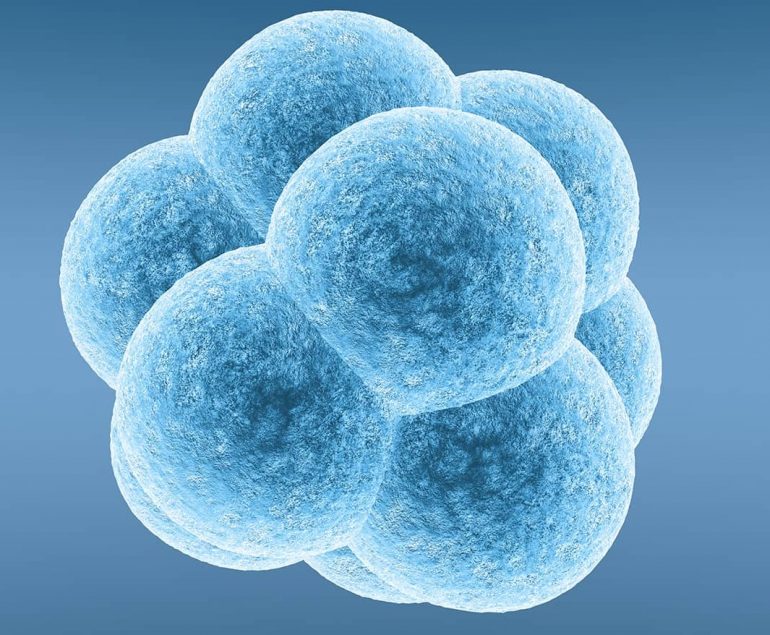
Frozen Embryo Transfer
It is common during IVF/ICSI treatment for more embryos to be produced than are required at the time…

Blastocyst Transfer
The blastocyst is considered to be a special stage in the development of the embryo as not all embryos reach this stage…

Laparoscopy and Hysteroscopy
Both laparoscopy and hysteroscopy are two minimally-invasive surgical procedures…

Dr. Mamta Dighe
Founder and Director of Xenith, IVF Specialist In Pune & PCMC

Dr. Poonam Patil
BHMS
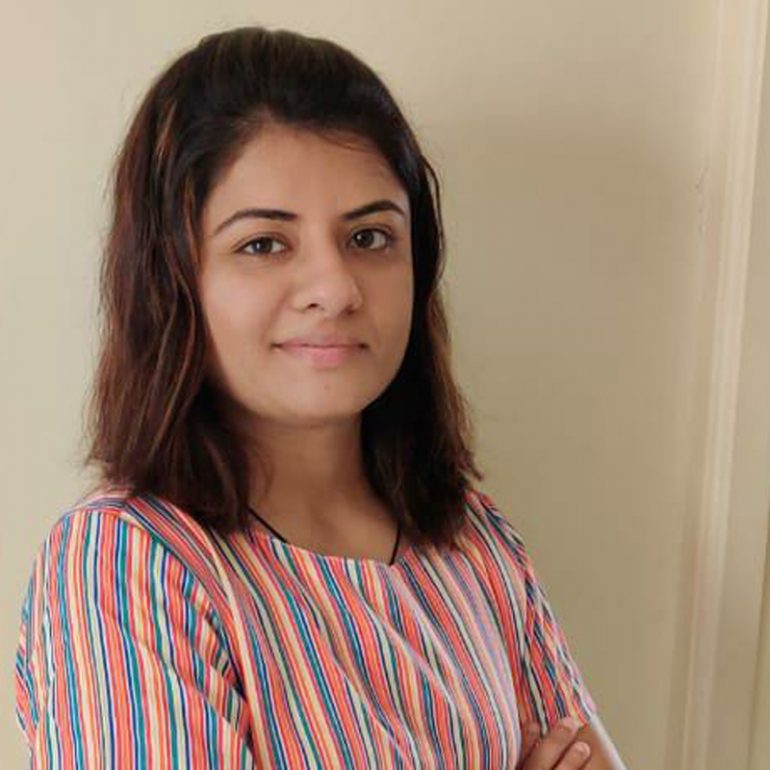
Dr. Pallavi Kalghatgi
DNB (OBGY) ,Reproductive Medicine ICOG Certificate course
Dr. Dhananjay Sathe
M.S. (General Surgery), FNB-Andrology

Dr.Pankaj Mate
MBBS, DGO, MD (USAIM), FMIS

Dr. Digambar Mahajan
Anesthesiologist, MBBS, DA

Dr. Pooja Chalukya
MBBS, MS- OBGY, Fellowship in infertility
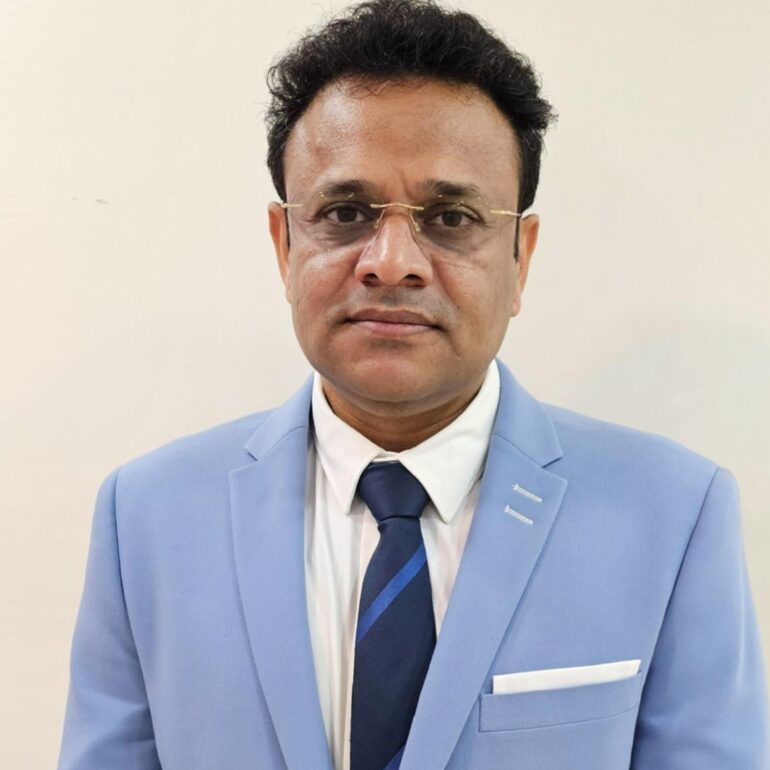
Dr. Balaji Nalwad
MBBS, DNB, FCPS, DGO, FICMCH, Fellowship in Minimal Access Surgery- USA
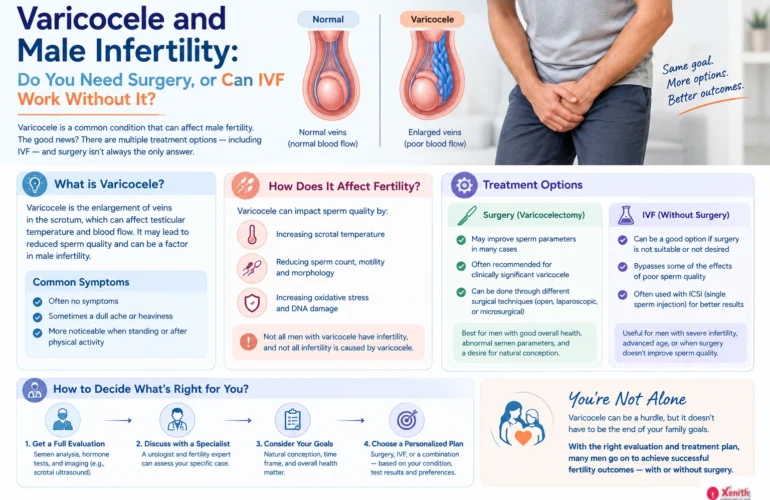
Varicocele and Male Infertility: Do You Need Surgery, or Can IVF Work Without It?
When a couple comes to me because of a low sperm count,…

Implantation Bleeding or Just Your Period? How to Tell the Difference
A few spots of blood when you're trying to conceive can trigger…
Does Nightfall Affect Sperm Count? A Doctor Separates Myth From Fact
One of the most common questions I hear from men who are…