Thinking about Ashwagandha or Shatavari to boost your fertility? Learn which herbal supplements actually work, the correct dosages, and why medical supervision is key for IVF success in Pune. Discover a safe, science-backed approach to Ayurveda for fertility.
The Cultural Trust and the Modern Science
Why We Turn to Nature
In Maharashtra, especially in and around Pune, trust in Ayurveda is not just a trend—it is parampara (tradition). Many of us have grown up seeing parents and grandparents rely on kadhas, churnas, and herbal tonics for health issues. So when a couple faces fertility challenges, the first thought often is, “Let’s try something natural.”

Free Thursday Consultation
Book Your AppointmentHerbs like Ashwagandha, Shatavari, Lodhra, and Ashoka are deeply rooted in Indian culture. Today, social media and online brands promote them as “miracle cures” for infertility. You may have seen discussions on Reddit questioning brands like Gynoveda—some users report benefits, others report cycle issues or no improvement at all.
Modern science tells us one important thing: some herbs do work, but not in the way marketing claims. They are supportive tools, not magic solutions. Clinical evidence supports certain benefits, but only when the herb, dose, and duration are right—and when the person taking it actually needs it.
The Double-Edged Sword of “Natural”
A very common worry seen on forums like Reddit’s is:
“Can herbal supplements make my cycle irregular?”
The honest answer is: yes, they can—if taken incorrectly.
“Natural” does not always mean “safe for everyone.” Herbs are biologically active substances. A strong herb taken without diagnosis can disturb hormones, delay ovulation, or affect implantation. Higher potency does not always mean better results. In fertility care, balance matters more than strength.
Evidence-Based Herbs for Reproductive Health
For Male Fertility: Boosting Count and Motility
When it comes to male fertility, two herbs are most commonly discussed:
Ashwagandha (Withania somnifera)
Clinical studies show Ashwagandha can:
- Improve sperm count and motility
- Reduce oxidative stress (damage caused by pollution, stress, smoking)

- Support testosterone balance, not excess
It is especially helpful for men in industrial areas around Pune who face heat exposure, stress, and air pollution.
Gokshura (Tribulus terrestris)
Gokshura supports:
- Sperm quality
- Libido and reproductive vitality
- Mild hormonal balance

However, dosage is key. Too much can cause digestive issues or hormonal imbalance. These herbs work best when combined with lifestyle changes like improved sleep, reduced alcohol, and stress management.

For Female Fertility: Hormonal Support and Egg Quality
Shatavari (Asparagus racemosus)
Often called the “queen of female herbs,” Shatavari supports:
- Follicle development
- Cervical mucus quality
- Hormonal nourishment
But there is a misconception online calling it a universal “uterine tonic.” In reality, Shatavari has mild estrogen-like activity. In women with already high estrogen levels, it may worsen symptoms like bloating or irregular cycles.
Lodhra and Ashoka
These herbs are traditionally used for:
- Cycle regulation
- Excess bleeding
- Uterine health
They can be beneficial, but unsupervised use may suppress hormones too much, affecting ovulation.

The key difference between Quora advice and medical reality is this: uterine health is not the same for every woman.
The New Superfoods: Maca and CoQ10
Modern fertility care often combines traditional herbs with evidence-based supplements.
Maca root may help with:
- Energy and libido

- Stress-related hormonal imbalance
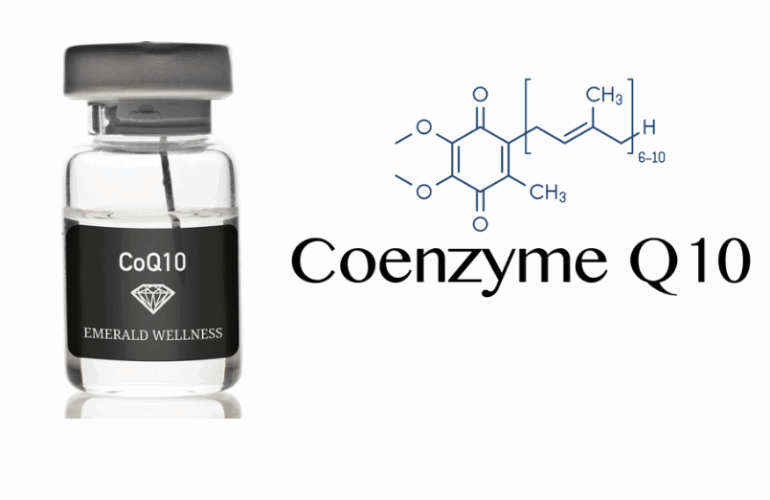
CoQ10 has strong scientific backing for:
- Egg quality improvement
- Mitochondrial health (important for IVF success)

Used together carefully, these can create a holistic, East-meets-West fertility plan
The Danger Zones: Risks and Safety
Interaction with IVF and IUI Medications
This is one of the most critical issues for couples undergoing treatment.
Some herbs must be stopped before IVF or IUI cycles because they can:
- Interfere with follicle growth
- Affect endometrial lining thickness
- Reduce response to stimulation drugs
For example, herbs that influence estrogen or progesterone can clash with fertility injections. Drug–herb interactions are real and often invisible until results are affected.
Always inform your fertility doctor about every supplement you take—even teas and powders.
The Quality Trap in Local Shops
In Pune, many people buy raw herbs from local shops near Shanipar, Kothrud, or old markets. While these places feel authentic, they come with risks.
Unverified herbs may contain:
- Heavy metals like lead or mercury
- Pesticide residues
- Incorrect plant species
This is especially dangerous during fertility treatment. Always choose tested, standardized extracts from reliable sources recommended by medical professionals.
The Supervised Holistic Path
The Myth of the “Permanent” Fix
Another common question is:
“How long should I take these supplements?”
Herbs are not meant to be taken forever. Fertility care often uses a cycling method—taking supplements for a defined period, reassessing, and then stopping or adjusting.
Long-term dependency on herbs without lifestyle improvement rarely gives lasting results. Sleep, nutrition, exercise, and stress management play a bigger role than most people realise.
Personalized Supplement Protocols
What worked for your neighbour or cousin may not work for you. Fertility is deeply personal.
At clinics like XenithIVF, supplement plans are:
- Based on hormone reports
- Adjusted for age, BMI, diagnosis, and treatment stage
- Reviewed regularly
This diagnostic-led approach prevents harm and improves outcomes.
Integrated Fertility Care at XenithIVF Pune
The Best of Both Worlds
At XenithIVF Pune, the philosophy is simple: use what works, discard what doesn’t.
Advanced Western fertility treatments are combined with:
- Evidence-based herbal support
- Clinical nutrition
- Lifestyle counselling
We work with trained clinical herbalists to ensure supplements are safe, especially for IVF and IUI patients.
A Protocol Built on Data
Every supplement recommended is linked to:
- Your hormone panel
- Ultrasound findings
- Treatment goals
Nothing is generic. Nothing is guesswork.
Conclusion
Informed Choices for a Healthy Family
Herbal supplements can be powerful allies in your fertility journey—but they are medicines, not just “teas.” When used correctly, they support the body. When misused, they can delay or disrupt treatment.
The real strength lies in informed, supervised choices that respect both tradition and science.
Curious if your current supplements are helping or hurting your fertility? Bring your checklist to XenithIVF Pune. Map out an integrated, safe supplement plan with our fertility experts today.