As a parent, few things matter more than your child’s long-term health and future well-being. When you hear a medical term like cryptorchidism—especially during infancy or childhood—it can feel overwhelming. You may immediately worry about surgery, long-term consequences, or even your child’s ability to have children later in life.
If you’re here because your child has been diagnosed with an undescended testicle, or because you were diagnosed later in life yourself, take a deep breath. The good news is that early diagnosis and timely treatment of cryptorchidism can significantly improve future fertility outcomes. Understanding the condition empowers you to make informed decisions—and that knowledge truly matters.

Free Thursday Consultation
Book Your AppointmentWhat Is Cryptorchidism?
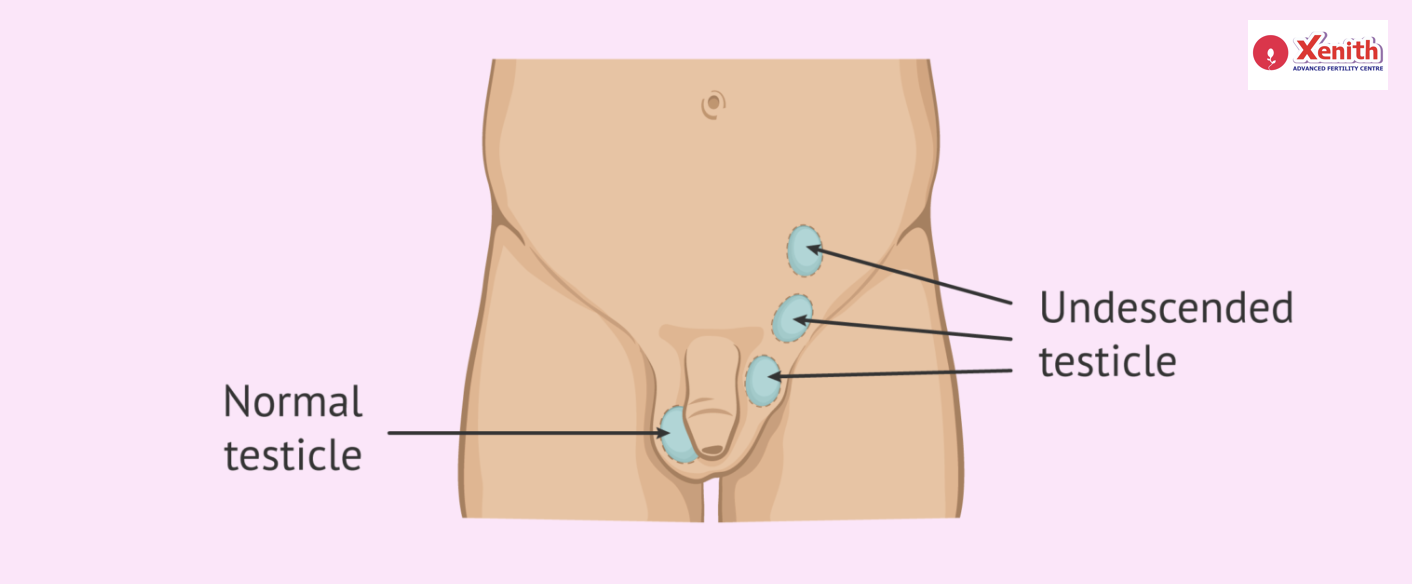
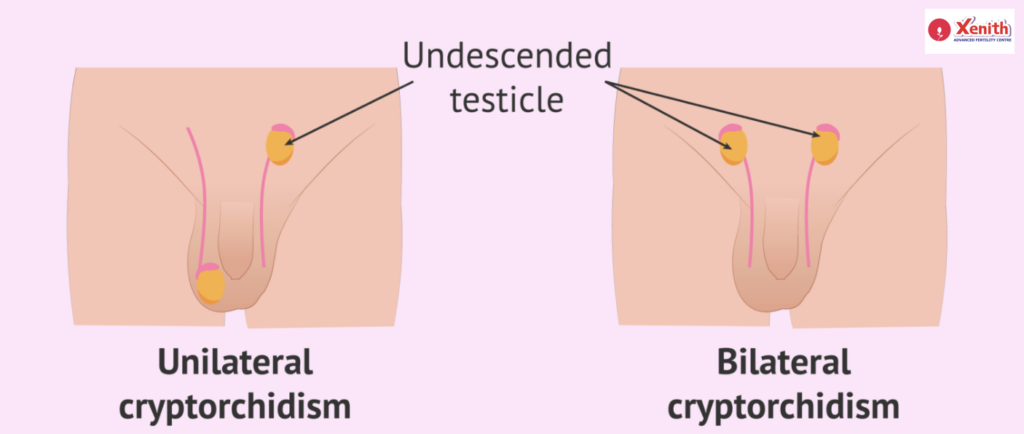
Cryptorchidism, commonly known as undescended testicles, is a condition in which one or both testicles fail to move down into the scrotum before birth or shortly afterward. Normally, a baby boy’s testicles develop in the abdomen and descend into the scrotum during the final months of pregnancy.
When this descent doesn’t happen naturally, the testicle may remain in the abdomen or groin. Cryptorchidism affects about 3–5% of full-term male infants and is even more common in premature babies. In many cases, the testicle descends on its own within the first few months of life. When it doesn’t, medical attention becomes essential.
Why Early Diagnosis Is Crucial
You might wonder why doctors emphasize early correction so strongly. The answer lies in temperature and testicular health. The scrotum exists for a reason—it keeps the testicles slightly cooler than the rest of the body. This cooler environment is essential for healthy sperm production later in life.
When a testicle remains in the abdomen or groin, it is exposed to higher temperatures. Over time, this can damage the cells responsible for sperm production. The longer cryptorchidism goes untreated, the greater the potential impact on fertility.
Why Do Testicles Sometimes Fail to Descend?
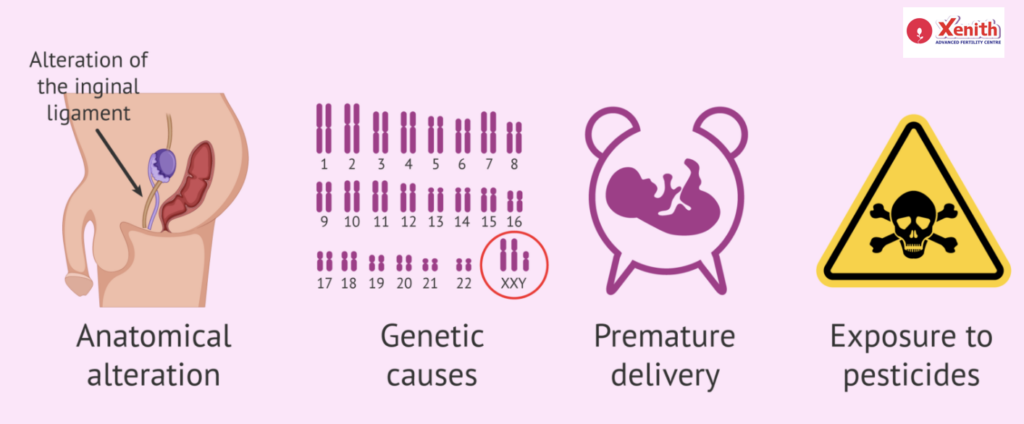
Cryptorchidism doesn’t happen because of anything you did or didn’t do during pregnancy. Several factors may play a role, including:
- Premature birth
- Low birth weight
- Hormonal imbalances during fetal development
- Genetic or developmental conditions
- Family history of undescended testicles
In most cases, there is no single identifiable cause. What matters most is recognizing the condition early and acting appropriately.
Risks of Untreated Cryptorchidism
If cryptorchidism is left untreated, it can have long-term consequences—some of which may not become apparent until adulthood.
1. Reduced Sperm Quality
One of the most significant concerns related to cryptorchidism fertility is reduced sperm production. Testicles that remain undescended for too long may experience permanent damage to the sperm-producing cells. This can lead to:
- Lower sperm count
- Poor sperm motility
- Abnormal sperm shape
Even if only one testicle is affected, fertility may still be compromised, especially if treatment is delayed.
2. Increased Risk of Testicular Cancer
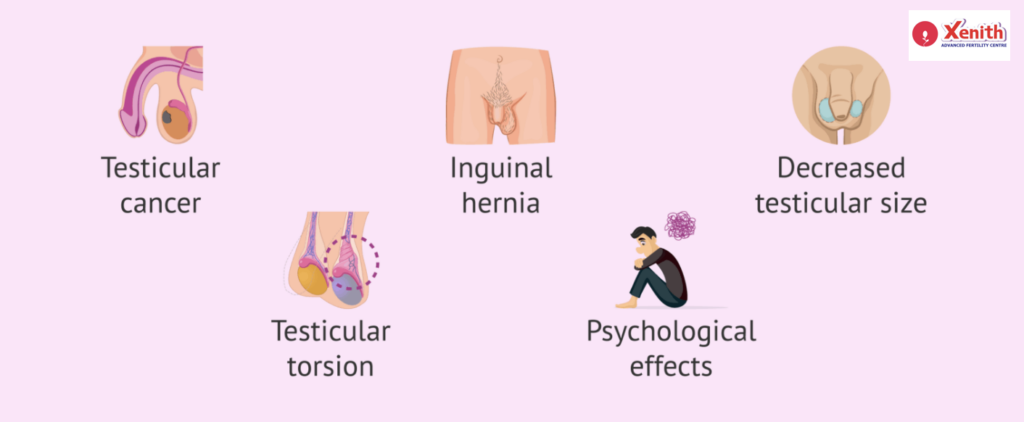
Men with a history of undescended testicles have a higher risk of developing testicular cancer later in life. While orchiopexy does not completely eliminate this risk, early surgical correction significantly reduces it and makes future self-examinations easier and more effective.
3. Hormonal Issues
Testicles play a key role in testosterone production. Untreated cryptorchidism may interfere with normal hormone levels, potentially affecting puberty, muscle development, bone health, and sexual function in adulthood.
Testicles play a key role in testosterone production. Untreated cryptorchidism may interfere with normal hormone levels, potentially affecting puberty, muscle development, bone health, and sexual function in adulthood.
Impact on Fertility in Adulthood
If you’re an adult male diagnosed with cryptorchidism later in life, it’s natural to worry about fertility. The impact depends on several factors, including whether one or both testicles were undescended and how long they remained untreated.
- Unilateral cryptorchidism (one undescended testicle): Many men can still father children, especially if the other testicle is healthy.
- Bilateral cryptorchidism (both testicles undescended): The risk of male infertility is higher, particularly if correction was delayed beyond early childhood.
That said, fertility is not an all-or-nothing outcome. Many men with a history of cryptorchidism still achieve biological parenthood—sometimes naturally, sometimes with medical support.
How Is Cryptorchidism Diagnosed?
Diagnosis usually begins with a physical examination. In infants and young children, pediatricians routinely check testicular position during well-baby visits. If the testicle cannot be felt, imaging tests such as an ultrasound may be used to locate it.
For adolescents or adults diagnosed later, evaluation may also include hormone testing or semen analysis, especially if fertility is a concern.
Treatment Options: Timing Matters
Recommended Age for Treatment
Medical guidelines recommend treating undescended testicles between 6 and 18 months of age, ideally before the child turns one. This timing offers the best chance to preserve normal testicular function and future fertility.
Orchiopexy Surgery
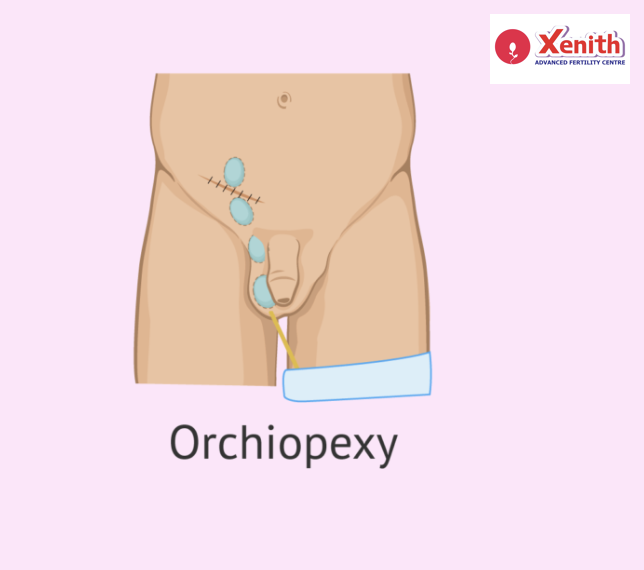
The standard and most effective undescended testicle treatment is a surgical procedure called orchiopexy. During this procedure, the surgeon carefully moves the testicle into the scrotum and secures it in place.
Orchiopexy is generally safe, with a high success rate. Most children recover quickly and resume normal activities within days.
Fertility Outcomes After Timely Correction
When orchiopexy is performed early, fertility outcomes are significantly improved. Research shows better sperm quality, healthier testicular development, and reduced long-term risks compared to untreated cases.
While early surgery cannot guarantee future fertility, it dramatically improves the odds—and that makes early action incredibly important.
Lifestyle and Long-Term Care Tips
There is no guaranteed way to prevent cryptorchidism, but there are steps you can take to protect long-term reproductive health.
Early Screening Matters
- Attend all routine pediatric checkups
- Ask your doctor if you’re unsure about testicular position
- Don’t hesitate to seek a second opinion if something feels unclear
Regular Testicular Exams
For adolescents and adult males with a history of cryptorchidism, regular testicular self-examinations are crucial. These exams help with early detection of abnormalities, including testicular cancer.
If fertility becomes a concern later in life, semen analysis and consultation with a fertility specialist can provide clarity and options.
Early Action Makes a Difference
Hearing the word “cryptorchidism” can be scary—but it doesn’t have to define your child’s future or your own. Early diagnosis and timely orchiopexy greatly improve fertility potential and overall testicular health.
As a parent, your attentiveness can make a lifelong difference. As an adult diagnosed later, understanding your condition opens the door to proactive care and informed fertility planning. When it comes to cryptorchidism fertility, knowledge truly is power—and early treatment is one of the most effective steps you can take toward a healthy future.