
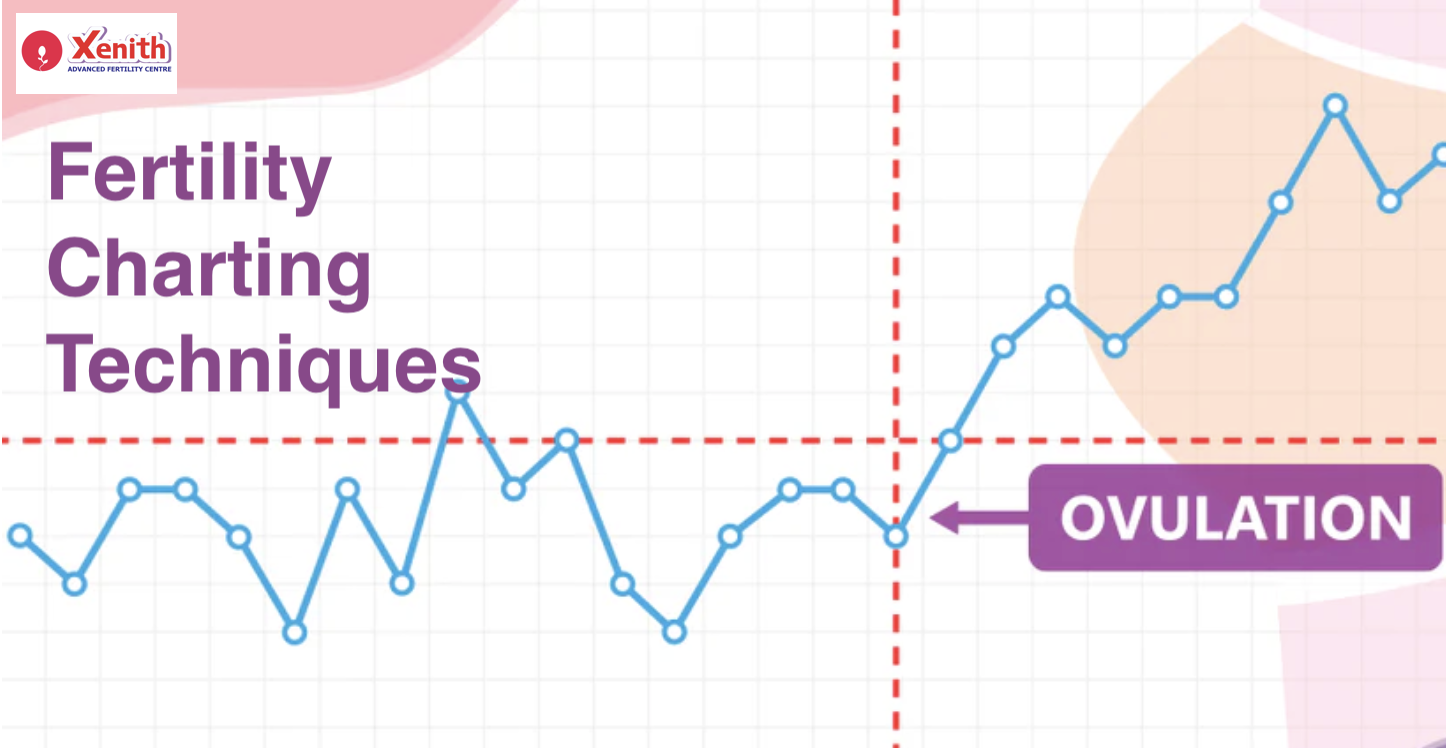
When you’re trying to conceive, it can feel like you’re piecing together a puzzle without having all the right clues. One of the most empowering steps you can take during this journey is understanding your menstrual cycle through fertility charting. This simple yet effective practice helps you get in tune with your body, recognize your fertile days, and identify patterns that may support or hinder conception.
If you’re in your early conception journey or navigating the first whispers of infertility concerns, fertility charting offers clarity, reassurance, and science-backed guidance—without feeling overwhelming.

Free Thursday Consultation
Book Your AppointmentUnderstanding What Fertility Charting Is
Fertility charting involves tracking the natural signs your body gives throughout your menstrual cycle to pinpoint your most fertile days. These signs—such as your basal body temperature, cervical mucus, and hormonal shifts—form a pattern that can help you determine when ovulation is likely to occur.
You’re not simply recording numbers or symptoms; you’re building an intimate understanding of how your body works each month. And when you’re trying to conceive, this knowledge can make a meaningful difference.
Why Understanding Your Cycle Matters
You may have heard that there are only a few days each month when pregnancy is possible. That’s your fertile window, and knowing when it occurs is key to improving your chances of conceiving. Many women assume it’s around day 14, but ovulation varies widely—even in the same person from month to month.
By learning how to track ovulation and observe your body’s natural cues, you can time intercourse more effectively and reduce the guesswork. Fertility charting brings confidence to a process that can often feel uncertain.
A Simple Look at Your Menstrual Cycle
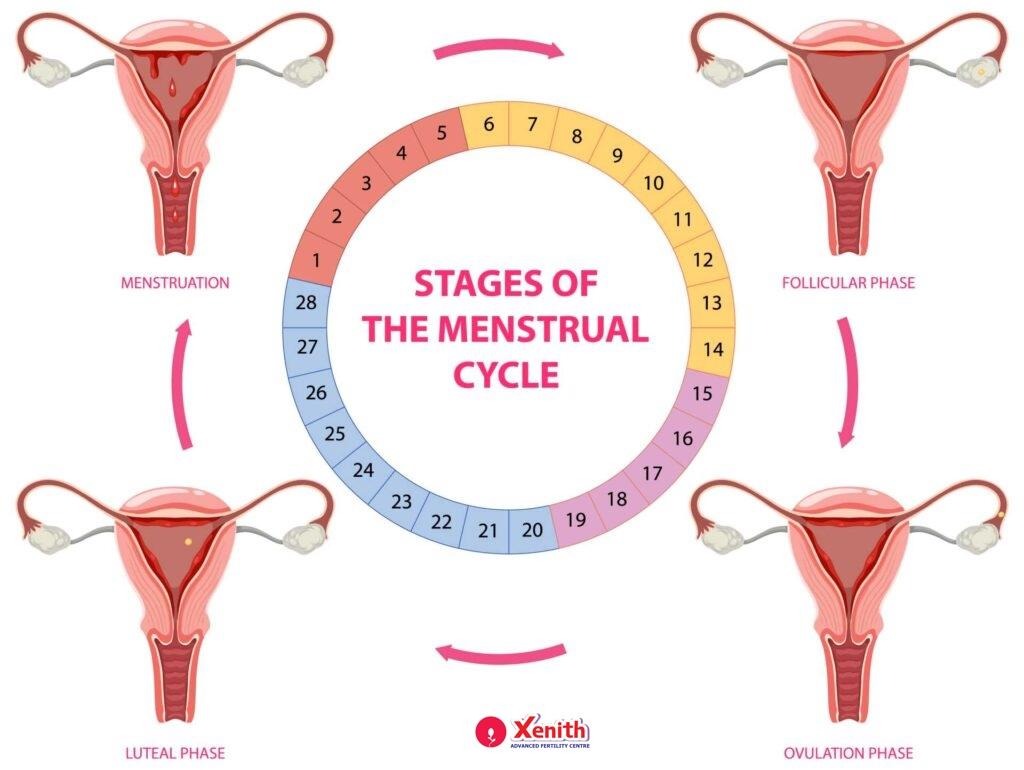
Before diving into techniques, it helps to understand the basic phases of your cycle:
1. Follicular Phase
This phase starts on the first day of your period. Your body is preparing an egg for ovulation. Hormones—mainly Follicle-Stimulating Hormone and Estrogen—begin to rise.
2. Ovulation
This is the main event. A surge in luteinizing hormone (LH) causes the ovary to release a mature egg. This egg lives for about 12–24 hours, but sperm can survive in the reproductive tract for up to five days. That’s why knowing your fertile window is so important.
3. Luteal Phase
After ovulation, progesterone increases to prepare the uterus for implantation. If pregnancy doesn’t occur, progesterone drops, and your next cycle begins.
You don’t need to memorize hormone charts for fertility charting—but having a general understanding helps you make sense of the patterns you’ll observe.
Popular Fertility Charting Techniques
There are multiple ways to track ovulation and your menstrual cycle. You can use one method or combine a few to get a clearer picture.
1. Basal Body Temperature (BBT) Charting
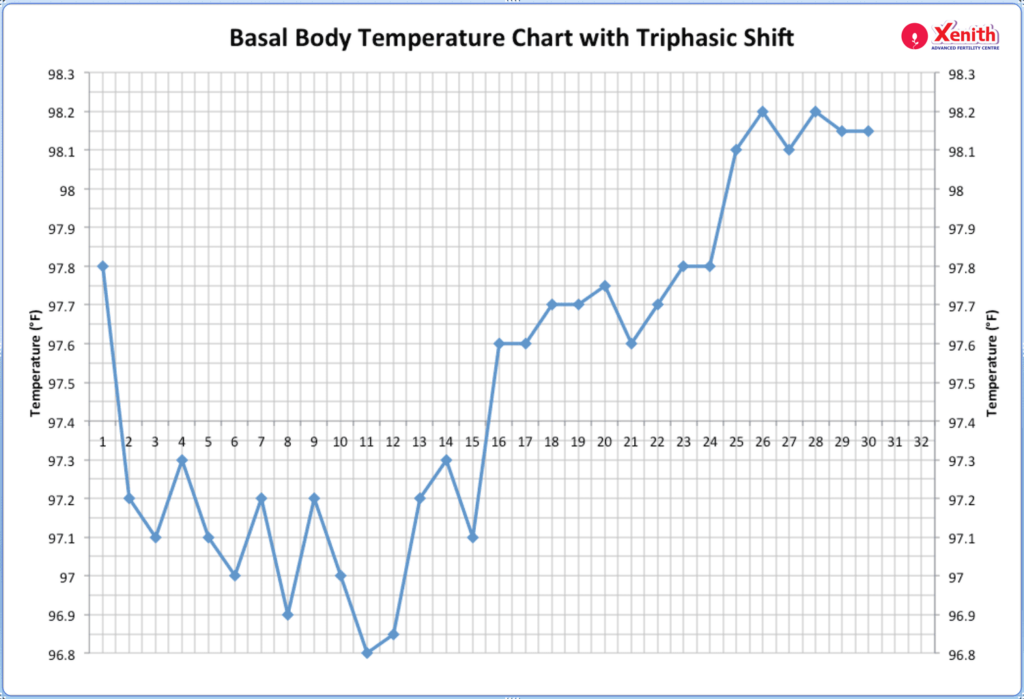
BBT charting involves measuring your body temperature first thing in the morning, before moving or talking. After ovulation, progesterone slightly raises your temperature.
Here’s what this method can help you see:
- A noticeable rise in temperature confirming ovulation
- Length of your luteal phase
- Any irregular patterns that might indicate hormonal issues
You’ll need a BBT thermometer and consistency—taking your temperature at the same time daily is key.
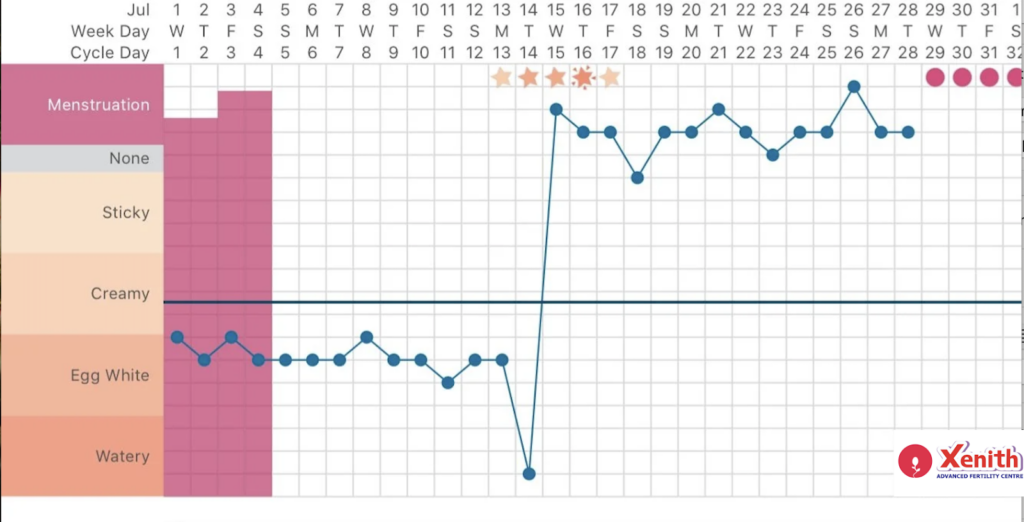
2. Cervical Mucus Tracking
Your cervical mucus changes throughout your cycle in response to hormones. Around ovulation, it becomes stretchy, clear, and slippery—similar to raw egg whites.
This fertile-quality mucus helps sperm travel more easily, making it an important cue for identifying your fertile window.
If you’re someone who prefers body-awareness methods over gadgets, cervical mucus tracking is a gentle, effective option.
3. LH Ovulation Predictor Kits (OPKs)
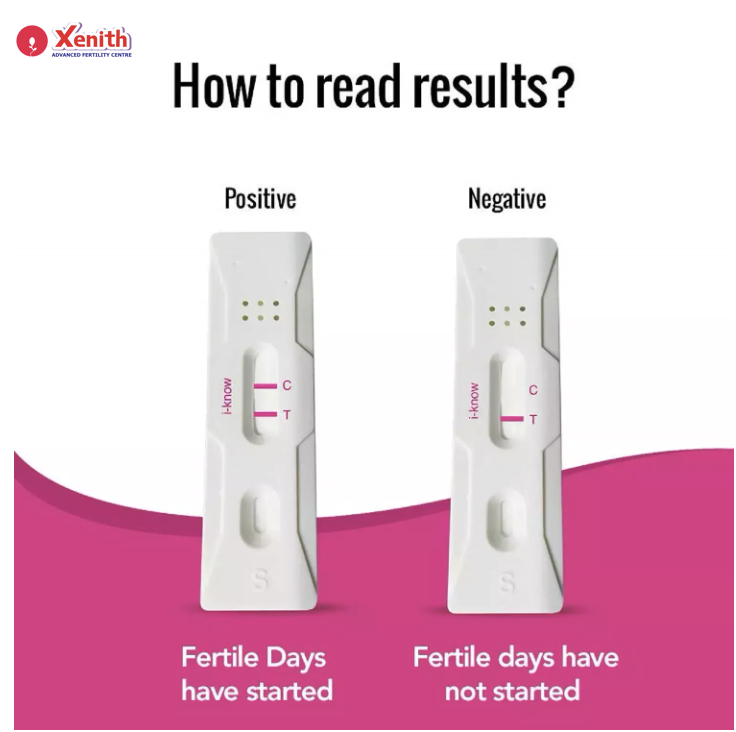
OPKs detect the LH surge that typically occurs 24–36 hours before ovulation. Many women find these strips easy and reassuring to use.
They’re helpful if you:
- Have irregular cycles
- Are unsure about interpreting BBT or cervical mucus
- Want a clear hormonal signal that ovulation is approaching
Digital LH tests are also available for those who want a more straightforward yes/no reading.
4. Calendar or Period Tracking Apps
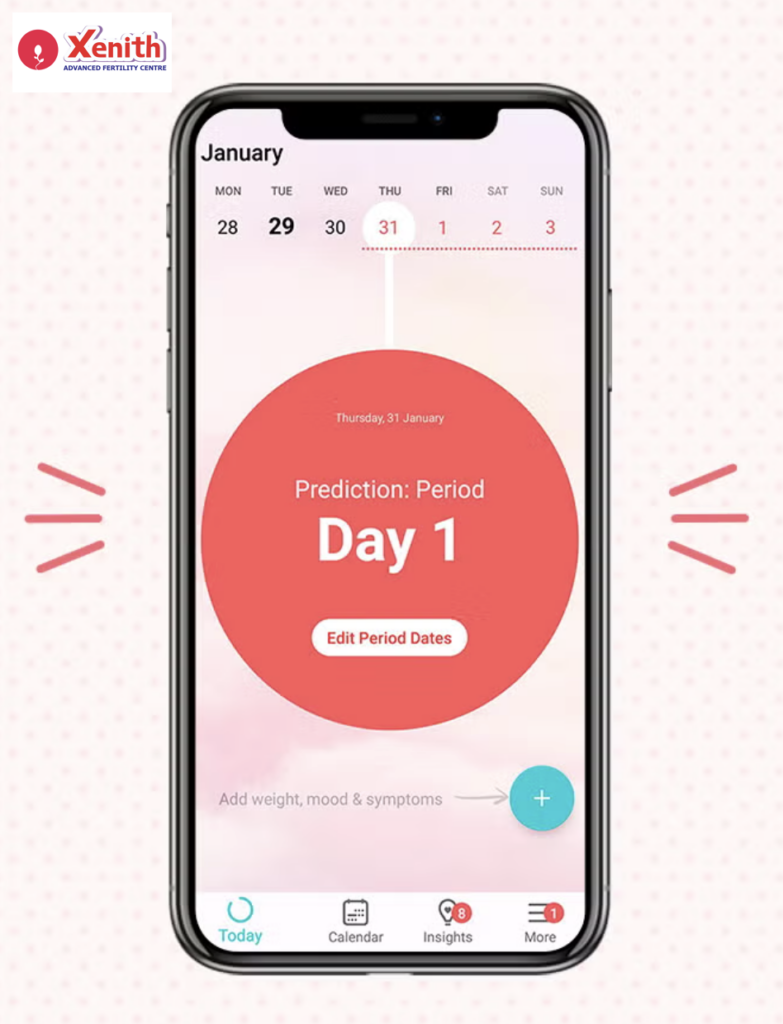
Apps can be a helpful supplement to your journey. While they aren’t always perfect at predicting ovulation based solely on past cycles, they’re great for:
- Recording symptoms
- Storing your BBT readings
- Watching for long-term patterns
- Tracking cycle regularity
Think of them as organizational tools—not standalone diagnostic tools.
5. Advanced Fertility Monitors and Wearables
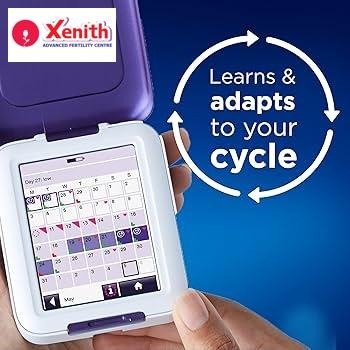
Today’s technology includes smart sensors, wrist devices, and hormone-tracking monitors that can detect subtle body changes. Some track temperature, some measure multiple hormones, and others combine data to predict ovulation.
These are convenient if you:
- Prefer hands-off tracking
- Travel often
- Want highly consistent data
They’re not necessary for everyone, but they can be incredibly helpful when you’re TTC and want deeper insights.
Benefits of Fertility Charting
Fertility charting isn’t only about timing intercourse. It offers powerful insights into your overall reproductive health.
1. Predicting Your Fertile Window
With consistent tracking, you’ll start recognizing the signs leading up to ovulation. This helps you plan intercourse during your most fertile days, potentially improving your chances of conception.
2. Identifying Irregularities
Charting can help highlight things like:
- Irregular cycles
- Delayed ovulation
- Fluctuating luteal phase length
If something seems off, you’ll have concrete data to discuss with your doctor.
3. Feeling More in Control
Trying to conceive can feel emotionally overwhelming. Fertility charting gives you a sense of connection and agency—an understanding of what’s happening inside your body month after month.
4. Supporting Medical Evaluations
If you ever need fertility support, your charts give specialists valuable information—sometimes shortening the time to diagnosis.
When Charting Indicates Potential Concerns
While charting is a helpful tool, it’s also a window into your reproductive health. Certain patterns may signal that it’s time to speak with a professional.
1. Anovulation (Not Ovulating)
If your BBT doesn’t rise, you don’t notice fertile cervical mucus, or your OPKs stay negative, you may not be ovulating regularly. Occasional anovulatory cycles can be normal, but frequent ones are worth discussing with a doctor.
2. Short Luteal Phase
A luteal phase shorter than 10 days may affect implantation. Charting helps you measure this accurately, which is something your doctor will want to know.
3. Irregular Cycles
Cycles consistently shorter than 24 days or longer than 35 days can indicate hormonal imbalances, thyroid concerns, or PCOS.
When to See a Fertility Specialist
You should consider an appointment if:
- You’re under 35 and haven’t conceived after 12 months of trying
- You’re over 35 and haven’t conceived after 6 months
- Your charts show persistent irregular patterns
- You have a medical history that could impact fertility
Charting is not a replacement for medical evaluation—but it can guide you on when and how to seek help.
Lifestyle Tips for Better Fertility Charting
1. Ensure Accurate Tracking
- Take BBT at the same time every morning
- Use a reliable thermometer
- Track at least 2–3 cycles for clearer patterns
- Observe cervical mucus daily
- With OPKs, test around midday for best results
2. Support Healthy, Regular Cycles
- Maintain a balanced diet
- Keep caffeine and alcohol moderate
- Manage stress through yoga, mindfulness, or light exercise
- Get adequate sleep
- Support healthy weight ranges
Even small lifestyle tweaks can support hormonal balance and cycle regularity.
Conclusion
Fertility charting is a powerful, accessible tool that helps you understand your body and improve your chances of conceiving. By tracking key signs like BBT, cervical mucus, and LH surges, you not only identify your fertile window but also gain insight into your overall reproductive health.
If your charts show unusual patterns or if you’ve been trying to conceive without success, don’t hesitate to seek early evaluation. Getting clarity sooner rather than later can make all the difference.
Remember, you’re not alone on this journey. With knowledge, patience, and the right support, you’re taking meaningful steps toward your goal—and every charted cycle brings you closer.