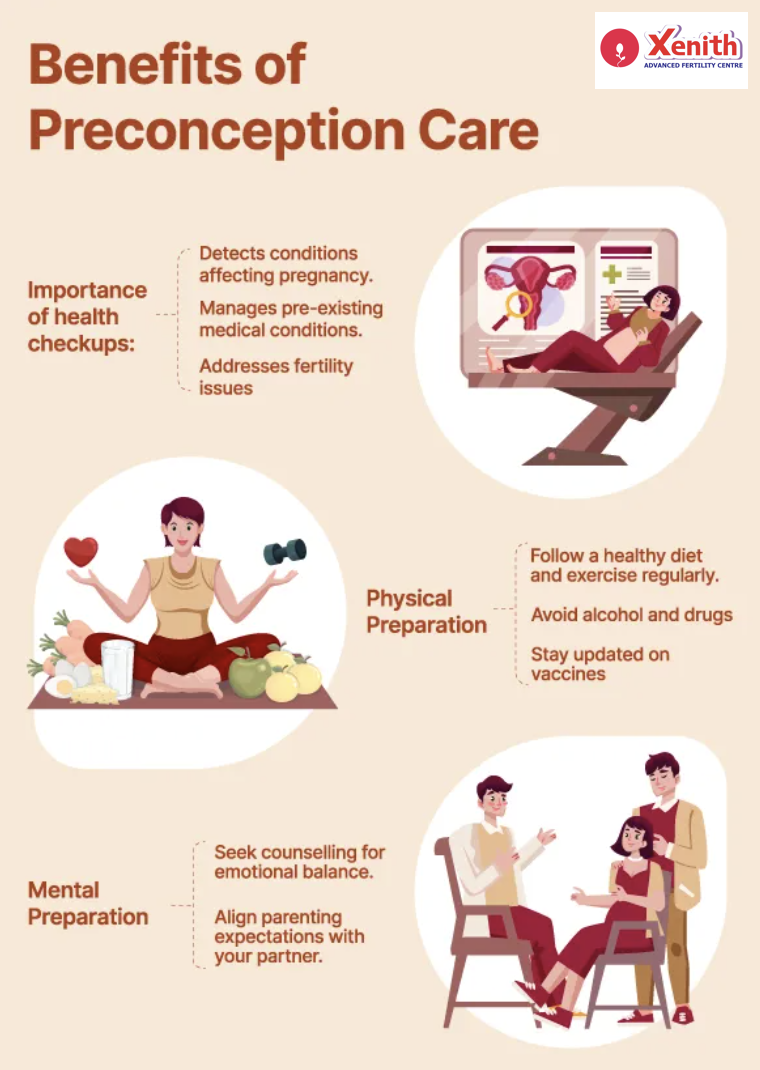
Planning a pregnancy is one of the most hopeful and emotional phases of life. Whether you’re just beginning to think about conceiving, have been trying for some time (TTC), or are preparing for fertility treatments like IVF, one thing remains constant: the healthier and more informed you are before conception, the better your chances of success.
Preconception health screening isn’t about looking for problems—it’s about giving yourself clarity, confidence, and control. When you understand what your body needs even before you start trying, you’re already taking a powerful step toward a healthier pregnancy and baby.
Free Thursday Consultation
Book Your AppointmentWhy Preparing Your Body Before Conception Matters
You may feel well and assume everything is fine—and often, it is. But fertility depends on many silent factors that don’t always show symptoms. Hormonal imbalances, nutritional deficiencies, or underlying conditions can quietly affect ovulation, sperm quality, implantation, or early pregnancy.
That’s where preconception screening comes in.
When you take time for fertility screening before pregnancy, you:
- Improve your chances of natural conception
- Reduce delays and emotional stress
- Increase success rates with assisted treatments like IUI or IVF
- Lower the risk of pregnancy complications
Think of it as creating the best possible foundation—physically and emotionally—before welcoming a new life.
Preconception Test List: Essential Screenings for Women
Your reproductive health reflects your overall health. A simple set of pre-pregnancy blood tests and evaluations can reveal valuable insights.
1. AMH (Anti-Müllerian Hormone)
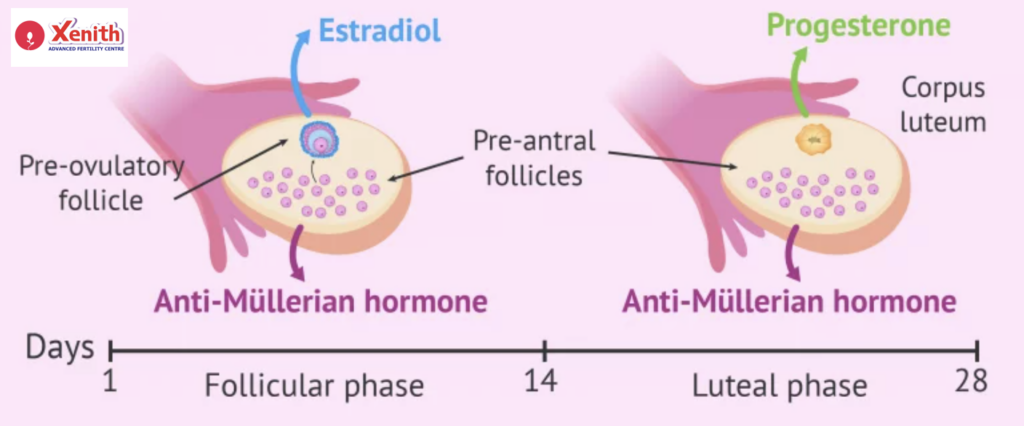
AMH helps assess your ovarian reserve, or the number of eggs you may have. It doesn’t predict natural conception perfectly, but it plays a crucial role in planning fertility treatments and timelines—especially if you’re considering IVF or delaying pregnancy.
2. Thyroid Function Tests
Thyroid hormones directly affect ovulation, implantation, and pregnancy maintenance. Even mild thyroid imbalances can interfere with fertility or increase miscarriage risk—often without obvious symptoms.
3. Prolactin Levels
Elevated prolactin can disrupt ovulation and menstrual regularity. Identifying and correcting this early can restore normal cycles and improve conception chances.
4. Vitamin D Levels
Vitamin D isn’t just about bones—it supports hormone balance, egg quality, and immune health. Deficiency is common and easily correctable once detected.
5. Complete Blood Count (CBC)
A CBC helps identify anemia or infections that may affect energy levels, ovulation, or pregnancy health.
6. PCOS Indicators
If you have irregular periods, acne, excess facial hair, or unexplained weight gain, screening for PCOS (Polycystic Ovary Syndrome) is essential. Early diagnosis allows targeted lifestyle changes and medical support.
7. Infectious Disease Screening
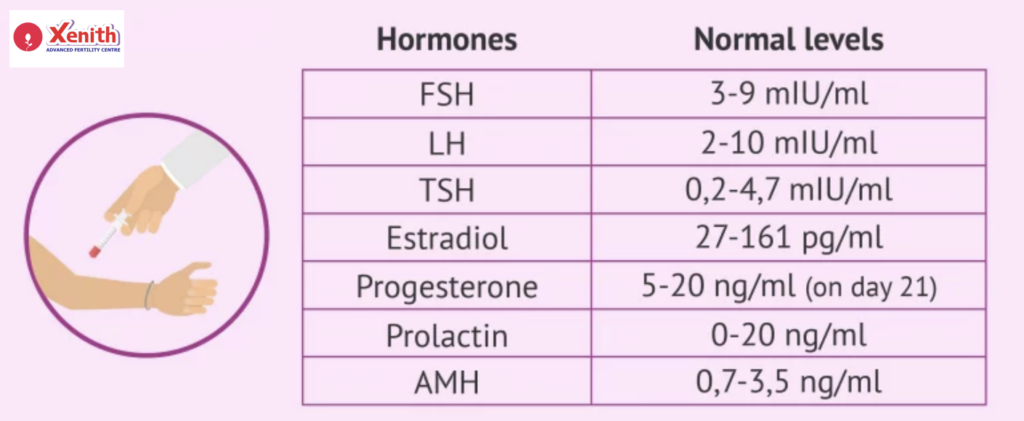
Tests for infections like HIV, hepatitis B/C, rubella immunity, and others help ensure a safer pregnancy for both you and your future baby.
Couple Fertility Checkup: Essential Screenings for Men
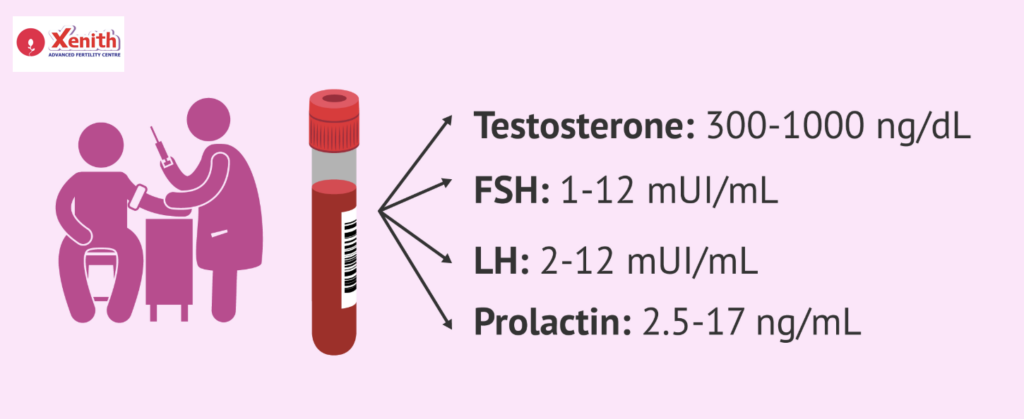
Fertility is a shared journey. Nearly 40–50% of infertility cases involve male factors—yet men are often tested much later than women. Early screening saves time, cost, and emotional strain.
1. Semen Analysis
This is the cornerstone of male fertility screening. It evaluates:
- Sperm count
- Motility (movement)
- Morphology (shape)
Even subtle abnormalities can affect conception, and many are treatable when identified early.
2. Hormonal Tests (FSH, LH, Testosterone)
FSH, LH, and testosterone regulate how well the testes produce sperm. Imbalances in these hormones can lower sperm count, movement, or quality, even when no obvious symptoms are present.
The good news is that many hormonal issues are treatable with the right medical care and lifestyle changes. Identifying them early helps improve sperm health and guides the most effective fertility treatment plan.
3. Genetic Tests (If Indicated)
If there’s a history of recurrent pregnancy loss, severe sperm abnormalities, or failed IVF cycles, genetic testing can provide critical answers and guide treatment decisions.
Why Early Detection Makes a Powerful Difference
You may wonder, “Why test now if we haven’t even started trying?”
Because time matters in fertility, and early information helps you act wisely.
Early detection allows you to:
- Correct reversible issues before they cause delays
- Avoid unnecessary months or years of trial and error
- Choose the most effective treatment pathway sooner
- Improve outcomes for both natural conception and assisted reproduction
Instead of reacting to setbacks, you’re proactively shaping your fertility journey.
How Test Results Guide the Right Treatment Plan
Preconception screening isn’t about labels—it’s about solutions. Your results help your doctor tailor care specifically for you.
1. Lifestyle Corrections
Many fertility barriers improve with changes in:
- Diet and nutrition
- Sleep patterns
- Exercise routines
- Stress levels
When you know what needs attention, lifestyle changes become purposeful, not overwhelming.
2. Supplements
Targeted supplements—like iron, folic acid, vitamin D, or antioxidants—work best when guided by test results rather than guesswork.
3. Medical or Surgical Interventions
Hormonal imbalances, thyroid disorders, varicoceles, or ovulation issues often respond well to timely medical or minor surgical treatment when caught early.
4. Timely Fertility Treatment
If assisted reproduction is needed, early screening ensures:
- Better ovarian response
- Improved sperm quality
- Higher implantation and pregnancy success rates
You move forward with clarity, not uncertainty.
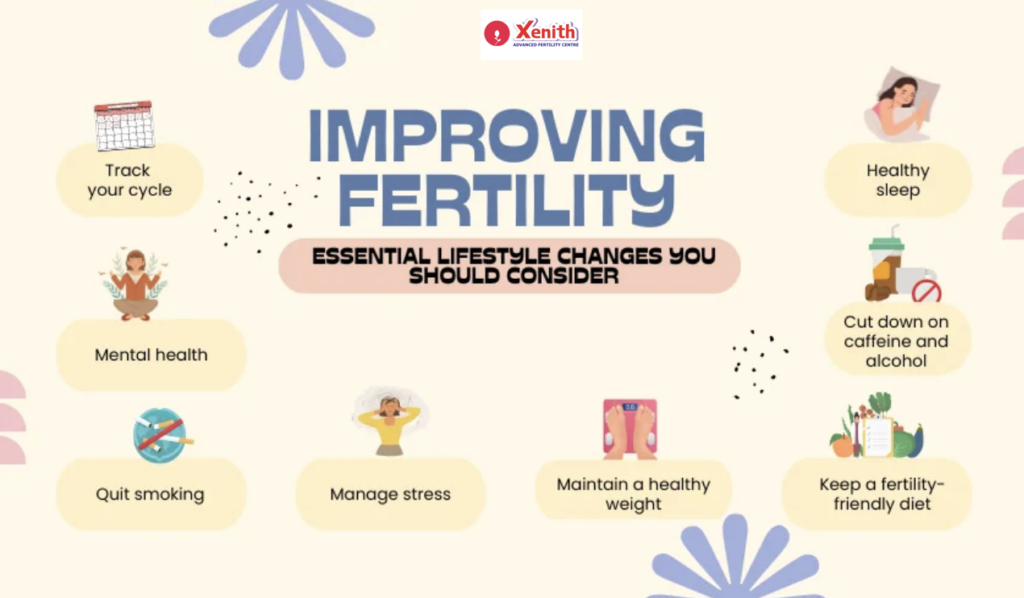
Lifestyle and Prevention Tips to Support Fertility
Screening works best when combined with healthy daily choices. Small, consistent changes can significantly impact fertility.
Nourish Your Body
Focus on a balanced diet rich in:
- Whole grains
- Lean proteins
- Fruits and vegetables
- Healthy fats
Maintain a healthy weight—both underweight and overweight can affect hormones and fertility.
Stay Active (But Balanced)
Moderate exercise supports hormone regulation and stress relief. Avoid extremes—overtraining can be as disruptive as inactivity.
Avoid Smoking and Alcohol
Both partners should avoid smoking and limit alcohol. These habits directly harm egg and sperm quality and increase miscarriage risk.
Manage Stress Mindfully
Fertility journeys can be emotionally taxing. Yoga, meditation, therapy, or simple breathing practices can help you stay grounded and resilient.
Participate Together
Fertility screening and lifestyle changes work best when both partners are involved. When you move as a team, the journey feels lighter and more empowering.
Conclusion:
Preconception health screening isn’t about fear—it’s about preparedness. When you invest time in a thorough fertility screening before pregnancy, you give yourself the gift of insight, confidence, and direction.
Whether you conceive naturally or with assistance, early screening:
- Empowers you with knowledge
- Reduces delays and uncertainty
- Improves success rates
- Supports healthier pregnancies and babies
Your fertility journey is deeply personal—but you don’t have to walk it blindly. With the right preconception test list, a couple fertility checkup, and supportive lifestyle choices, you’re not just hoping for the best—you’re actively creating it.