
Working long hours in Pune’s IT sector (Hinjewadi, Magarpatta)? Your job may be impacting your reproductive health. Learn the clear connection between your screen time, stress, and fertility—and what to do next.
Introduction – Acknowledging the Pune IT Grind
More Than Just a “Desk Job”: Why Pune’s Corporate Scene Is Different
If you work in Hinjewadi or Magarpatta, you already know this isn’t a typical 9-to-5. Your day likely starts early to beat traffic, stretches into late evenings to align with global time zones, and involves hours of sitting—often without realizing how much time has passed. Deadlines, sprint reviews, client calls, and constant notifications are part of your everyday reality.

Free Thursday Consultation
Book Your AppointmentWhen you’re trying to conceive, generic advice like “reduce stress” or “exercise more” can feel frustratingly vague. What you really want to know is this: Is my IT lifestyle actually affecting my fertility? And if yes, what can I realistically do about it while keeping my job?
This blog is here to answer exactly that—using science, empathy, and solutions that fit into a Pune IT professional’s life.
The Silent Epidemic: Lifestyle-Related Fertility Challenges
Across fertility clinics in Pune, there’s a growing pattern among IT couples—normal reports on paper, but unexplained delays in conception. Often, the common thread is lifestyle.
Three factors show up again and again:
- Sitting for prolonged hours
- Stress that never truly switches off
- Screens that extend late into the night
These “3 S’s” quietly influence your hormones, metabolism, sleep, and ultimately, your reproductive health.
The ‘Sitting’ Problem: Sedentary Behavior and Hormone Health
The Hidden Risk of All-Day Sitting
You might be hitting your work targets, but your body pays a price for sitting 8–10 hours a day. Prolonged sitting reduces blood circulation, especially to the pelvic and reproductive organs. Over time, this can affect ovarian function in women and testicular health in men.
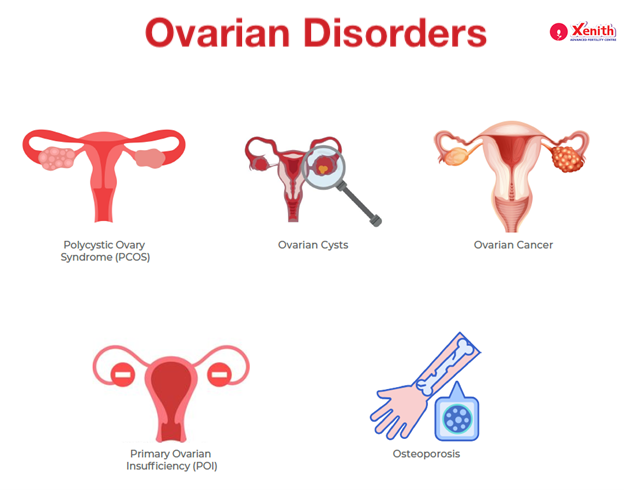
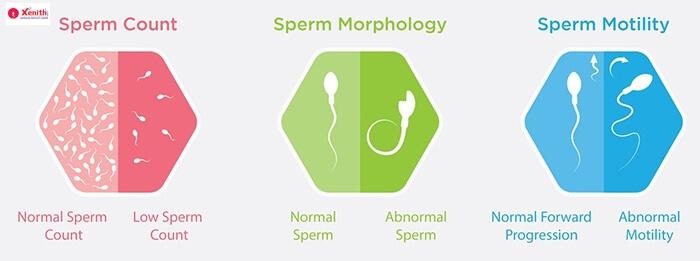
Sedentary behavior is also closely linked to insulin resistance and weight gain—even in people who look “normal weight.” For women, this can interfere with ovulation and worsen conditions like PCOS. For men, it can lower sperm count, motility, and morphology. The impact is gradual, which is why it’s so easy to miss—until you start trying for a baby.
Solutions for the Corporate Commute and Cubicle
You don’t need to quit your job or train for a marathon. Small, consistent changes can make a real difference.
Actionable Desk-Side Changes:
- The 25/5 rule: Sit for 25 minutes, then stand or walk for 5 minutes. Set a silent reminder if needed.
- Ergonomic desk setup: Proper chair height, feet flat on the floor, and screen at eye level improve posture and circulation.
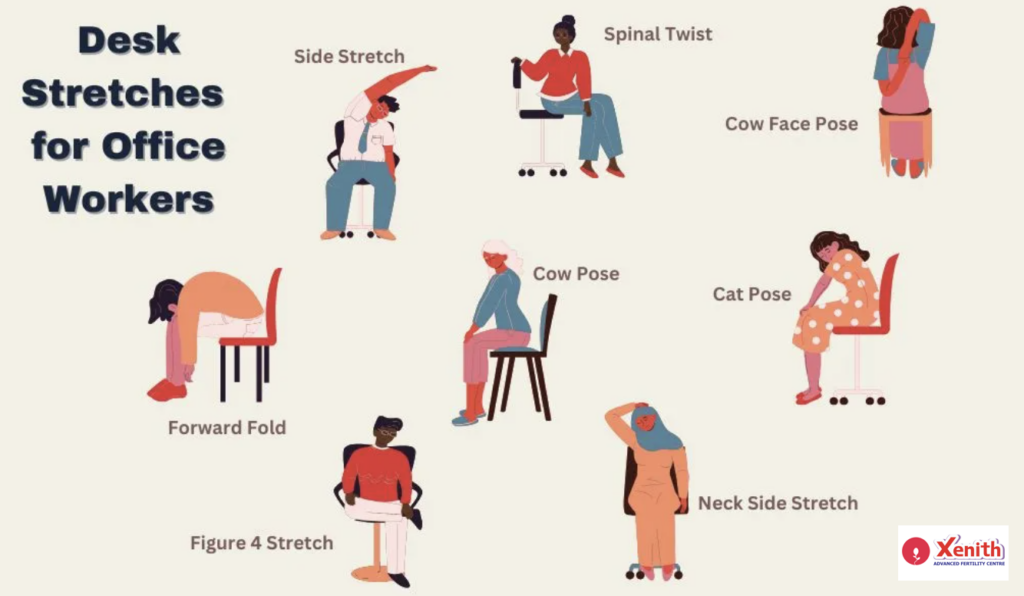
- Desk stretches: Shoulder rolls, seated spinal twists, ankle rotations—simple movements done regularly help blood flow.
- Standing meetings or walk-and-talk calls: Even one or two a day can break long sitting cycles.
Your goal is to reduce continuous sitting.
Chronic Stress: The Adrenaline–Fertility Conflict
The ‘Cortisol Tax’ on Conception
Stress isn’t just mental—it’s hormonal. When work pressure becomes chronic, your body releases cortisol continuously. High cortisol interferes with the Hypothalamic-Pituitary-Gonadal (HPG) axis, the control system for reproductive hormones.
For women, this may show up as delayed or irregular periods, missed ovulation, or unexplained cycle changes. For men, chronic stress can reduce testosterone, lower libido, and suppress sperm production. In simple terms, your body prioritizes “survival mode” over reproduction.
Stress Management That Works for the IT Professional
You don’t need hour-long meditation sessions. What you need are tools that fit into a fast-paced workday.
Quick Stress-Busters for Corporate Life:
- Micro-mindfulness breaks: One minute of slow breathing between meetings can measurably lower cortisol.
- Firm digital boundaries: Decide a realistic “no-email after” time—even if it’s just 30 minutes before bed.
- Movement as medicine: A gym session, yoga class, or even a walk in a nearby park helps reset stress hormones.
Stress management isn’t about eliminating pressure—it’s about preventing overload.

Screens & Sleep: The Blue Light Disruption
How Blue Light Impacts Your Melatonin and Fertility
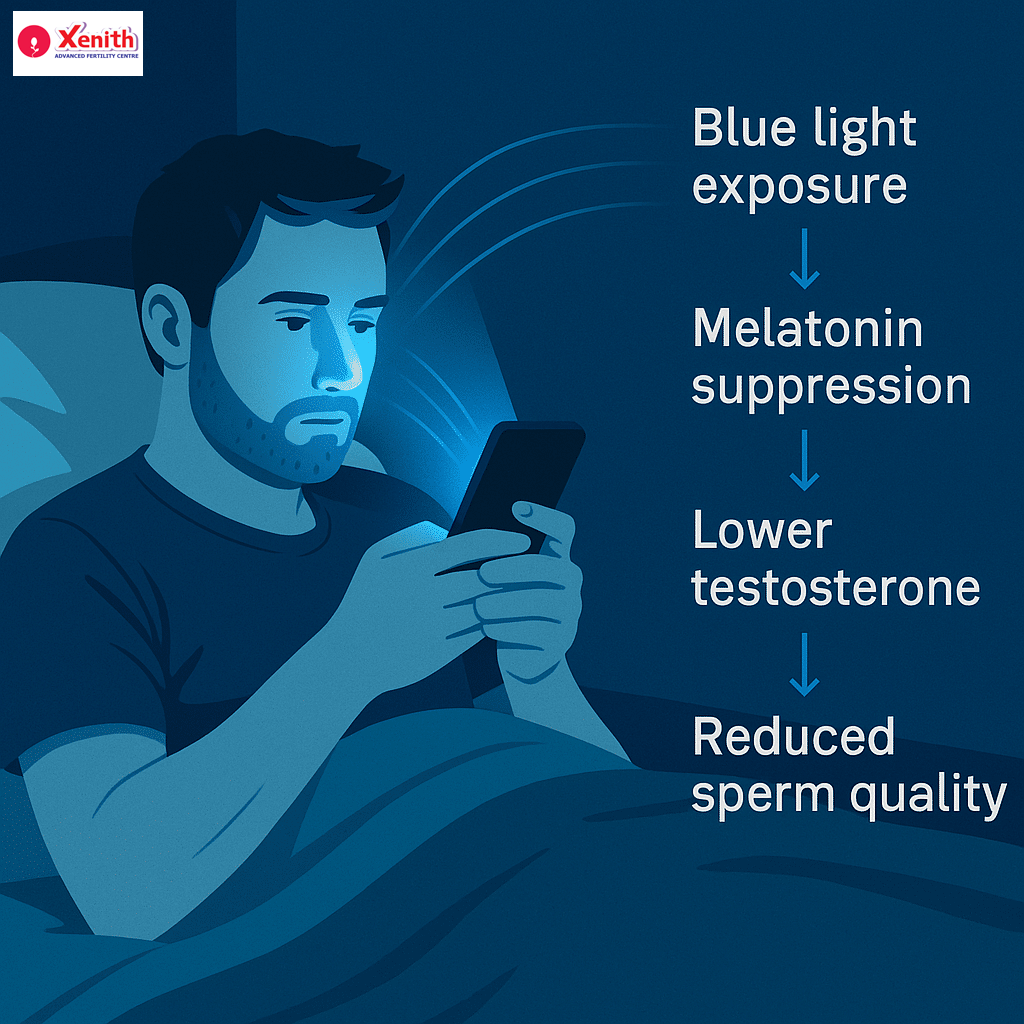
Late-night laptop work, scrolling on your phone, or binge-watching after a long day may feel like downtime—but your hormones see it differently. Screens emit blue light, which suppresses melatonin, the hormone that regulates sleep.
Melatonin isn’t just for rest. It’s also a powerful antioxidant that protects egg quality in women and sperm DNA in men. When melatonin is disrupted, sleep quality suffers—and so does reproductive health.
Optimizing Your Night Shift for Better Sleep Quality
You don’t have to give up technology entirely. You just need smarter habits.
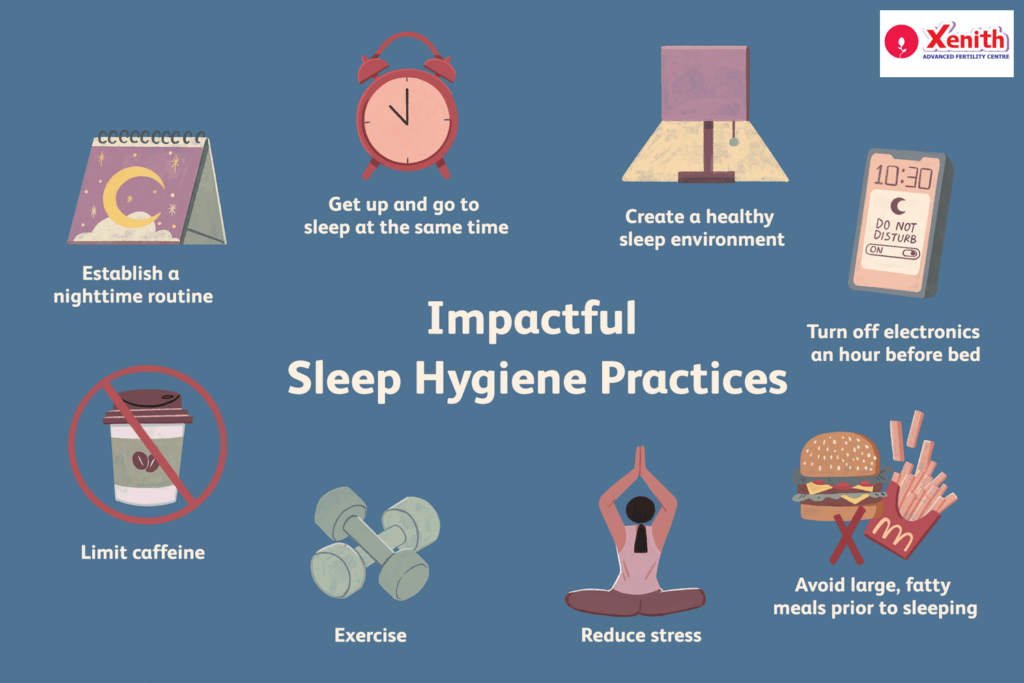
Sleep Hygiene Rules for Tech Professionals:
- Digital sunset: No screens at least one hour before bed—non-negotiable if you’re trying to conceive.
- Blue-light filters: Use night mode on devices or blue-light blocking glasses in the evening.
- Consistent sleep schedule: Try to sleep and wake at similar times, even on weekends. Your hormones thrive on routine.
Quality sleep is one of the most underrated fertility boosters.
Taking the Next Step in Pune
When to Transition from Lifestyle Change to Specialist Help
Lifestyle changes are powerful, but they’re not always enough on their own. You should consider consulting a fertility specialist if:
- You’ve been trying for 1 year (if you’re under 35), or
- 6 months (if you’re over 35), without success
Early evaluation doesn’t mean jumping straight to IVF. It means clarity—and often, reassurance.
Your Hyper-Local Solution: Why Choose Xenith IVF
At Xenith IVF, we work closely with Pune’s IT professionals every day. We understand long office hours, rotating shifts, and the challenge of fitting appointments into a packed calendar. Our approach focuses on:
- Advanced diagnostics tailored to lifestyle-related fertility issues
- Treatment plans that respect demanding corporate schedules
- A discreet, empathetic environment that understands your concerns
You don’t have to choose between your career and your family goals.
Conclusion
Small Changes, Big Impact: Reclaiming Your Family Planning
Fertility isn’t a single moment—it’s the result of daily habits repeated over time. Sitting, stress, and screens may feel unavoidable in Pune’s IT ecosystem, but they’re not uncontrollable. By addressing the “3 S’s” with awareness and intention, you take the first, most empowering step in your fertility journey.
Don’t let the corporate treadmill quietly delay your family plans. Schedule a discreet and comprehensive fertility assessment at our Pune clinic today—and get a personalized action plan designed for your life, not against it.