
Struggling to conceive your second child? You are not alone. Learn the common causes of secondary infertility and discover the specialized diagnostic and treatment paths available at our Pune clinic to complete your family.
The Unspoken Struggle
The Surprise and Isolation of Secondary Infertility
You already have a child. You’ve been pregnant before. You know your body is capable of creating life. So when months—and sometimes years—pass without a positive pregnancy test, the confusion can be overwhelming.

Free Thursday Consultation
Book Your AppointmentThis experience is known as secondary infertility—the inability to conceive or carry a pregnancy to term after previously having a child. And yet, despite being common, it is rarely spoken about.
You may find yourself questioning your body, feeling guilty for wanting another child, or feeling isolated because people assume conception should be “easy” for you this time. Friends and family may say, “At least you have one child,” unintentionally dismissing the very real grief and frustration you are carrying. Your struggle is valid, and it deserves understanding and medical attention.
The Statistics: Why This Challenge Is More Common Than You Think
If you’re facing difficulty conceiving your second child, you are far from alone. Studies suggest that secondary infertility accounts for nearly 28.6% of infertility cases in India. In cities like Pune, where couples often delay their second pregnancy due to careers, finances, or childcare responsibilities, this number is steadily rising.
This blog is here to answer the most important questions you may be asking yourself: Why did this happen when it worked before? And what can I do now? More importantly, it will guide you toward a clear, actionable path forward.
The Core Causes: What Changed Since Last Time?
The Clock Is Ticking: Age-Related Factors
One of the most common—and often underestimated—reasons secondary infertility occurs is age. Even if your first pregnancy was smooth, time can quietly change fertility potential.
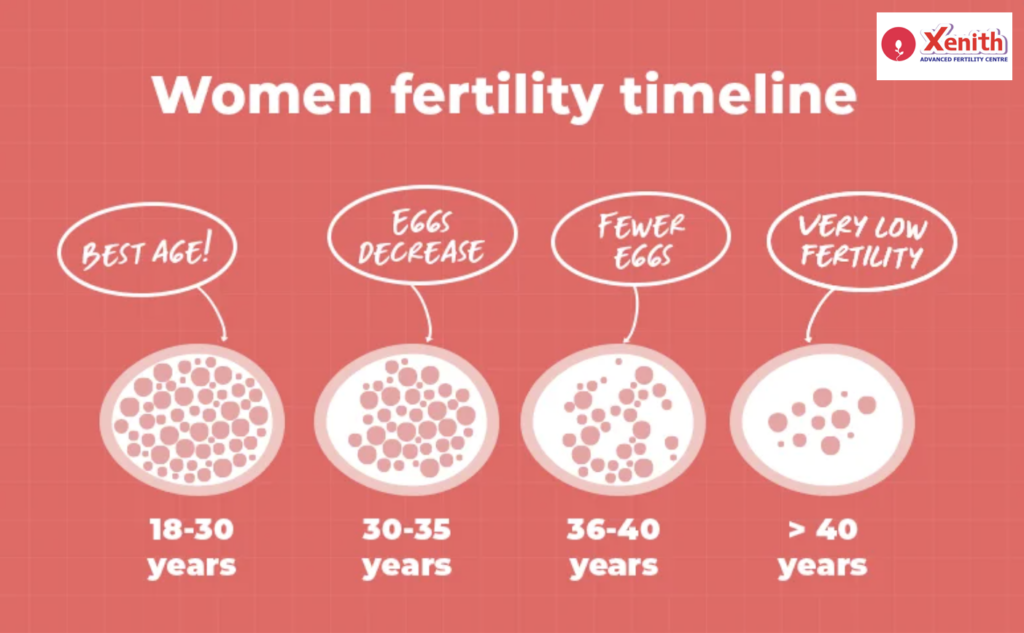
For women, both egg quantity and egg quality decline with age. The ovarian reserve, measured by a hormone called AMH (Anti-Müllerian Hormone), naturally reduces between pregnancies. Egg quality also declines, increasing the risk of chromosomal abnormalities that can prevent implantation or lead to miscarriage.
Men are not immune to time either. As men age, sperm count, motility, and DNA integrity can decline, affecting fertilization and embryo development. If several years have passed since your first child, age may now be playing a larger role than you realize.
Lifestyle and Health Changes
Life after your first child is very different—and your body feels it too.
Post-first-child changes that can impact fertility include:
- Weight fluctuations, whether post-pregnancy weight gain or significant weight loss
- New or worsening medical conditions, such as thyroid disorders, diabetes, or hypertension
- Chronic stress, from juggling parenting, work responsibilities, lack of sleep, and emotional load
Stress, in particular, can disrupt ovulation, hormone balance, and even sperm production. When you are constantly “on,” your reproductive system may quietly take a back seat.
Hidden Reproductive Issues
Sometimes, the biggest barriers are the ones you cannot see.
After your first delivery, new reproductive issues may have developed, such as:
- Pelvic adhesions or tubal blockages, especially after a C-section, uterine surgery, or pelvic infection
- Progression of endometriosis or adenomyosis, which can worsen with time and affect implantation
- Worsening PCOS, leading to irregular ovulation or hormonal imbalance
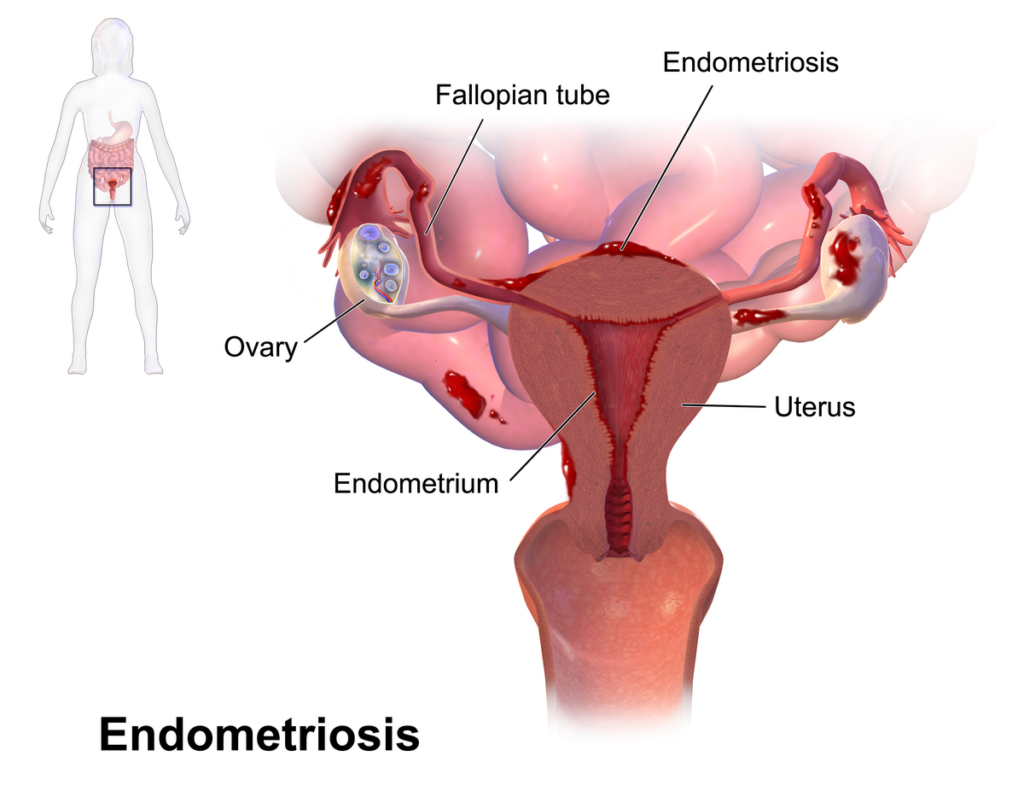
These conditions may not cause obvious symptoms, making diagnosis essential rather than optional.
The Targeted Diagnostic Path
Re-evaluating Both Partners
One of the most important things to understand is this: secondary infertility still requires a complete evaluation of both partners, even if your first child was conceived naturally.
Fertility is dynamic—it changes with time, health, and life circumstances. A fresh diagnostic approach provides clarity and prevents wasted months of trial and error.
Diagnostic checklist often includes:
- For women:
- AMH (ovarian reserve)
- FSH and Prolactin (hormonal balance)
- Transvaginal ultrasound
- HSG (to check whether fallopian tubes are open)

- For men:
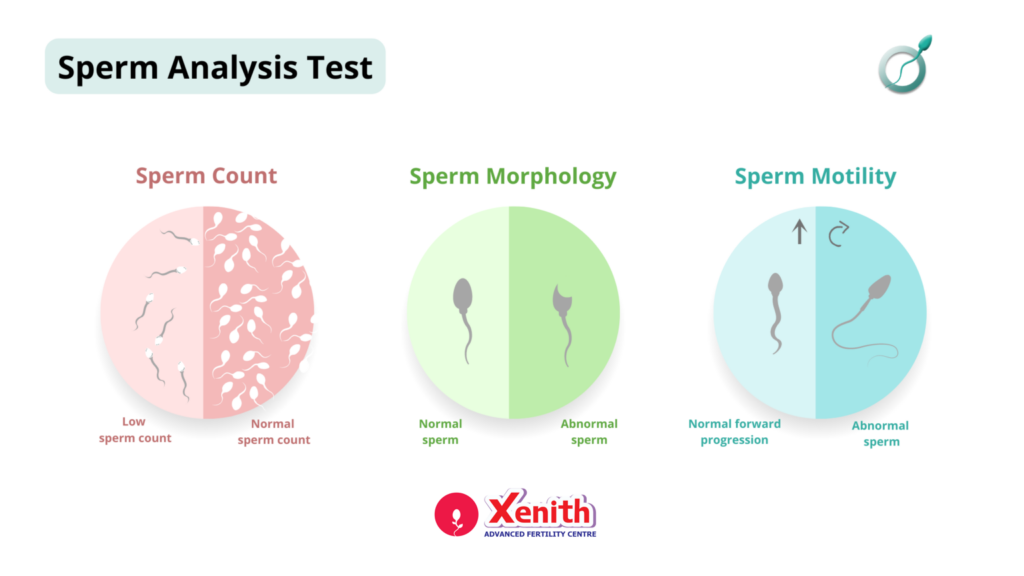
- Advanced semen analysis, including count, motility, and morphology
Advanced Imaging: Looking for the New Barrier
When basic tests do not reveal the full picture, advanced imaging becomes critical. Procedures like hysteroscopy or laparoscopy allow doctors to directly visualize the uterus, fallopian tubes, and pelvic cavity.
These tools help identify issues such as fibroids, uterine polyps, adhesions, or subtle structural changes that may not have existed during your first pregnancy—but are now preventing conception.
Overcoming Secondary Infertility
Step-One Solutions: Timing and Lifestyle
For some couples, small adjustments can make a meaningful difference. Confirming ovulation timing, optimizing intercourse frequency, improving nutrition, managing weight, and reducing stress are often the first steps.
When combined with medical guidance, these changes can restore balance and improve natural conception chances—especially if issues are mild or newly developed.
When to Move to Treatment
Timing matters. If you are over 35 and have been trying for six months, or under 35 and trying for one year, it is wise to seek medical intervention sooner rather than later. Waiting too long can reduce treatment success rates, particularly when age-related factors are involved.
Specialized Treatment Options
Depending on your diagnosis, treatment may include:
- Ovulation Induction (OI) and IUI:
Suitable for mild ovulatory issues or unexplained secondary infertility - IVF (In Vitro Fertilization):
Recommended when age, tubal blockage, endometriosis, or male factor infertility is present - PGT-A (Pre-implantation Genetic Testing):
Helps identify chromosomally healthy embryos, reducing miscarriage risk and improving success rates, especially in older women
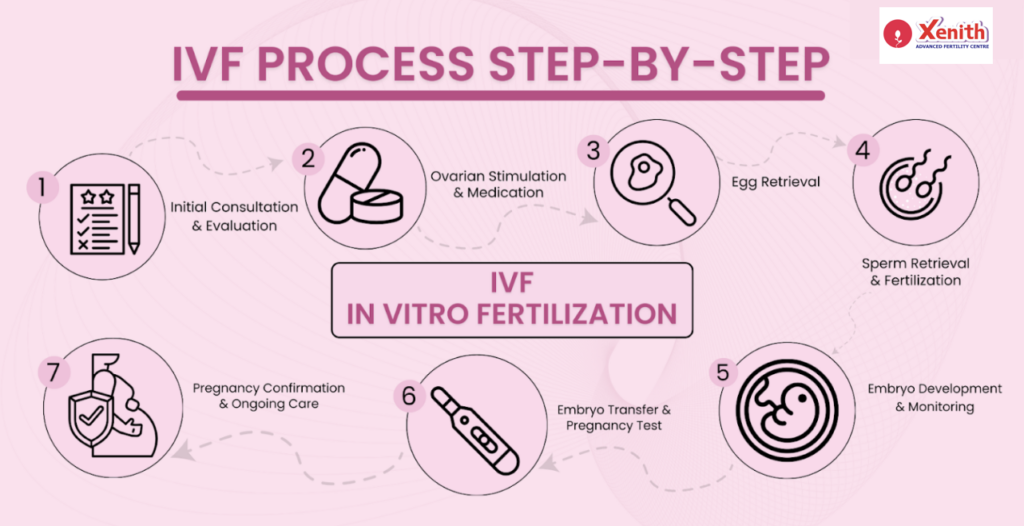
The key is choosing the right treatment.
Your Trusted Partner in Pune
The Secondary Infertility Specialist Advantage
Treating secondary infertility requires a different mindset. You are not starting from zero—you come with a medical history, a previous pregnancy, and unique emotional needs.
A specialist who understands secondary infertility looks beyond standard protocols, considering what has changed since your first child and how your body has evolved over time.
A Patient-Centric Approach to Completing Your Family
At Xenith IVF, treatment plans are designed with your real life in mind. Flexible scheduling, personalized protocols, and empathetic care ensure that your journey toward a second child does not come at the cost of your existing family’s well-being.
Hope Is the Next Step
Secondary infertility is not a personal failure, and it is not the end of your story. It is a common, manageable medical condition, and with the right diagnosis and personalized treatment plan, success is very much possible.
You don’t have to keep wondering why. You can start planning how.Ready to stop guessing and start moving forward?
Schedule a confidential consultation with our fertility experts at Xenith IVF in Pune today and take the next step toward completing your family.