Worried about early menopause? Learn the symptoms of Premature Ovarian Insufficiency (POI), understand your diagnostic path, and discover effective pregnancy options available with specialists in Pune.
Facing the ‘Early Menopause’ Fear
If your periods have suddenly become irregular—or stopped altogether—and you’re nowhere near your 40s, it can feel terrifying. Many women immediately think, “Am I hitting menopause already?” That fear is valid, and you’re not overreacting. But what you may be experiencing is not menopause—it could be Premature Ovarian Insufficiency (POI), a condition that needs urgent attention and specialized care.
Free Thursday Consultation
Book Your Appointment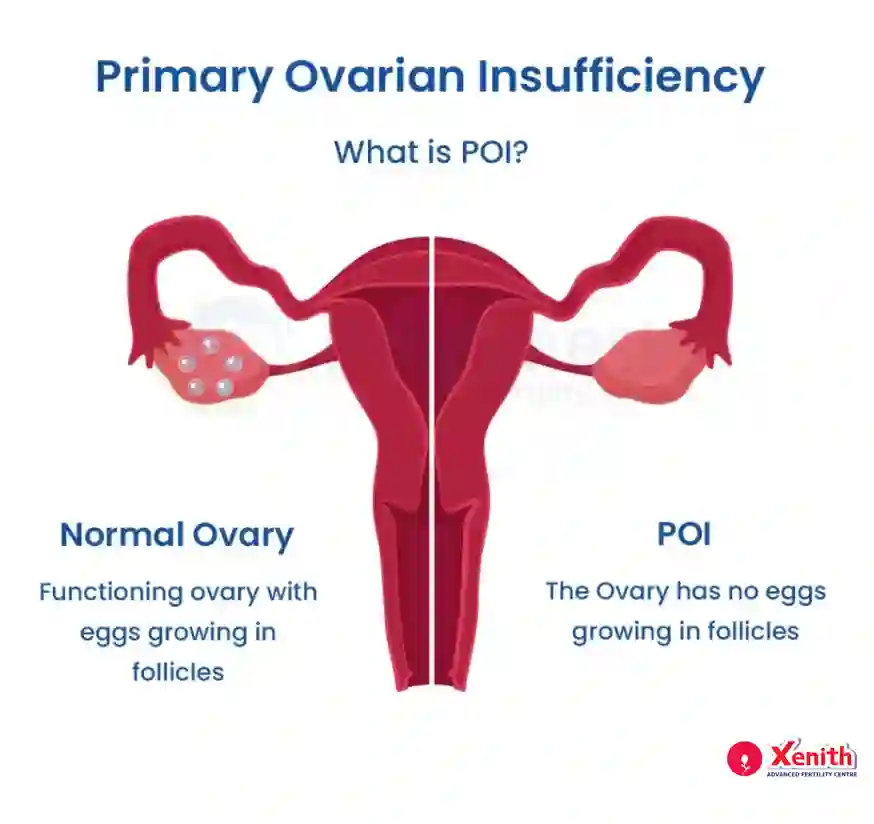
The Difference Between Early Menopause and POI
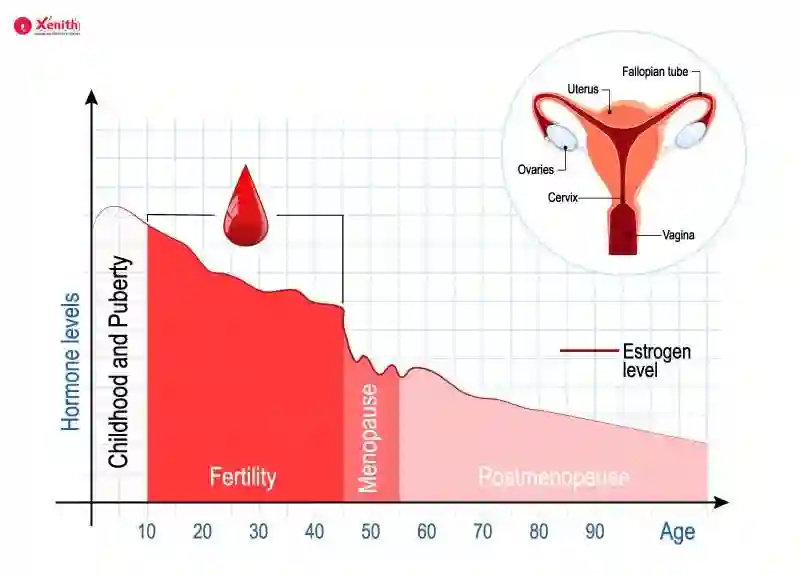
When your cycles change unexpectedly, the word menopause often comes to mind. However, there’s an important distinction you need to understand.
Premature Ovarian Insufficiency (POI) refers to the loss of normal ovarian function before the age of 40. Unlike menopause, where ovarian activity permanently stops, POI means your ovaries are not functioning adequately—but they may still work intermittently. Hormone production can fluctuate, periods may come and go, and ovulation can happen unpredictably.
This difference matters. Because POI is not complete ovarian failure, there may still be options—for both your health and your fertility—if you act early.
The Symptoms That Demand Immediate Attention
POI often creeps in quietly, and many symptoms are mistaken for stress, lifestyle changes, or emotional burnout. If you notice any of the following, it’s important not to ignore them:
Key Warning Signs:
- Irregular, infrequent, or completely absent menstrual periods
- Hot flashes, night sweats, mood swings, or anxiety
- Vaginal dryness or discomfort during intimacy
- Difficulty conceiving or unexplained infertility
If you’re experiencing a combination of these symptoms, your body may be signaling that it needs immediate evaluation.
The Diagnostic Pathway
When POI is suspected, time is critical. A rapid and accurate diagnosis helps protect not just your fertility, but your long-term health.
Essential Blood Tests to Confirm POI
Your diagnosis doesn’t rely on guesswork—it’s based on clear hormonal markers. A fertility specialist will usually recommend the following:
Diagnostic Checklist:
- FSH (Follicle-Stimulating Hormone): Consistently elevated levels (tested twice, several weeks apart)
- Estradiol: Low levels indicating reduced estrogen production
- AMH (Anti-Müllerian Hormone): Very low or undetectable levels, reflecting diminished ovarian reserve
These tests together help confirm whether your ovaries are underperforming.
Looking for the Underlying Cause
POI is not always idiopathic (unknown cause). Identifying the reason can guide both treatment and future planning.
Your evaluation may include:
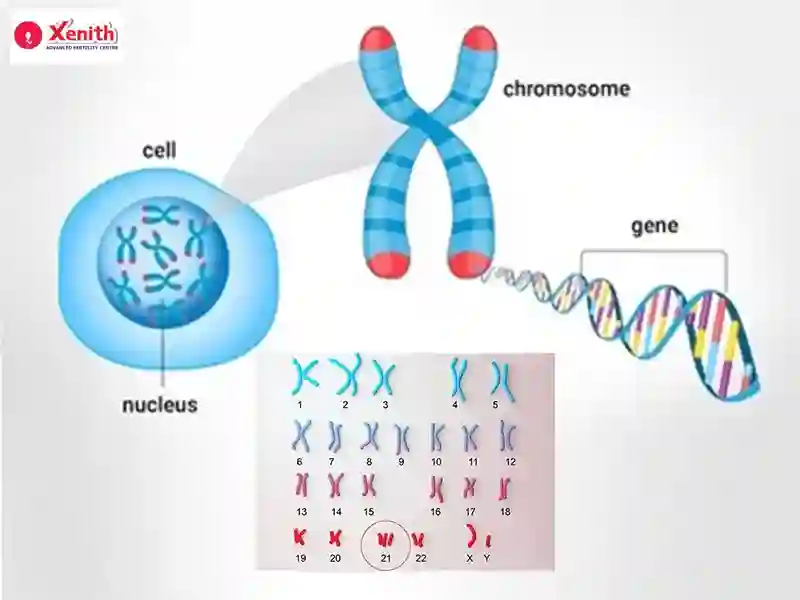
- Genetic testing and karyotyping, including Fragile X carrier screening
- Autoimmune screening, such as thyroid and adrenal antibodies
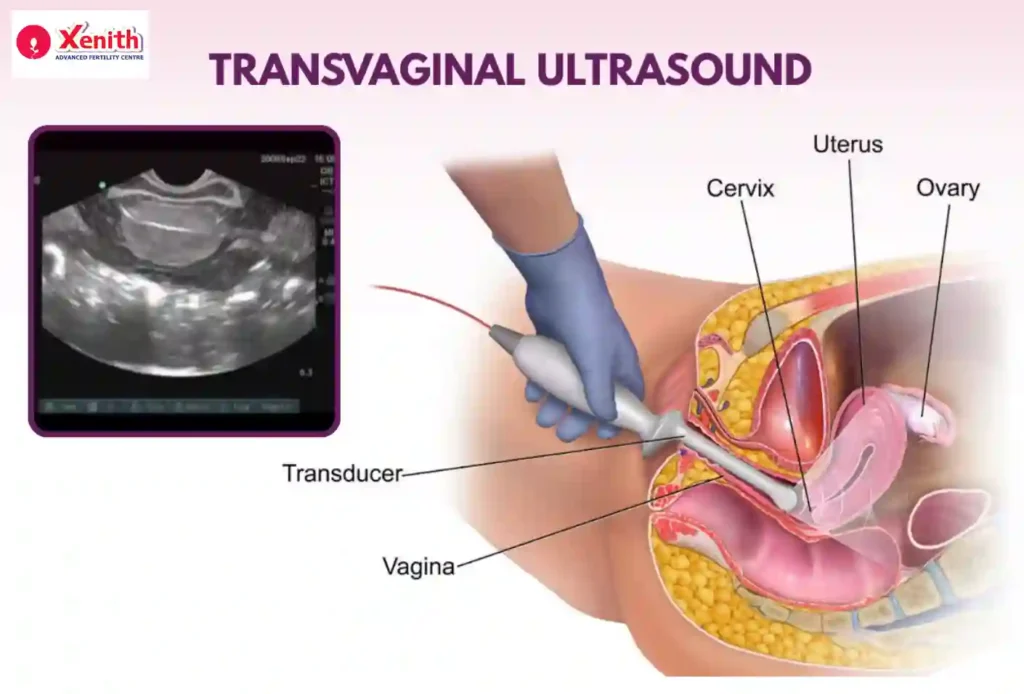
- Transvaginal ultrasound to assess ovarian size and any remaining activity
Even if a cause isn’t found, early diagnosis still allows you to take control of what comes next.
Management Beyond Fertility
Why POI Is More Than an Infertility Issue
It’s natural to focus on pregnancy when you hear “ovarian insufficiency.” But POI affects your entire body—not just your ability to conceive. Estrogen plays a protective role in multiple systems, and losing it early can have serious consequences if untreated.
Protecting Your Bone and Heart Health
Estrogen is essential for:
- Maintaining bone density
- Protecting cardiovascular health
- Supporting cognitive and emotional well-being
Without proper management, POI increases your risk of osteoporosis, fractures, and heart disease at a much younger age.
This is why Hormone Replacement Therapy (HRT) is not optional—it is a medical necessity. Most women with POI are advised to continue HRT until the natural age of menopause (around 50) to safeguard long-term health. Under specialist supervision, this therapy is safe, individualized, and life-protecting.
Your Pregnancy Options with POI
A POI diagnosis can feel like the ground has shifted beneath your feet. But it does not automatically mean the end of your motherhood journey.
The Possibility of Natural Conception (Spontaneous Remission)
POI exists on a spectrum. In some women, ovarian function can temporarily resume—a phenomenon known as spontaneous remission.
- About 5–10% of women with POI may ovulate and conceive naturally
- These chances are unpredictable and time-sensitive
This is why early and continuous monitoring with a fertility specialist is crucial. Without guidance, this narrow window can be missed.
The Most Effective Path: Donor Egg IVFFor many women with POI, Donor Egg IVF offers the highest success rates and
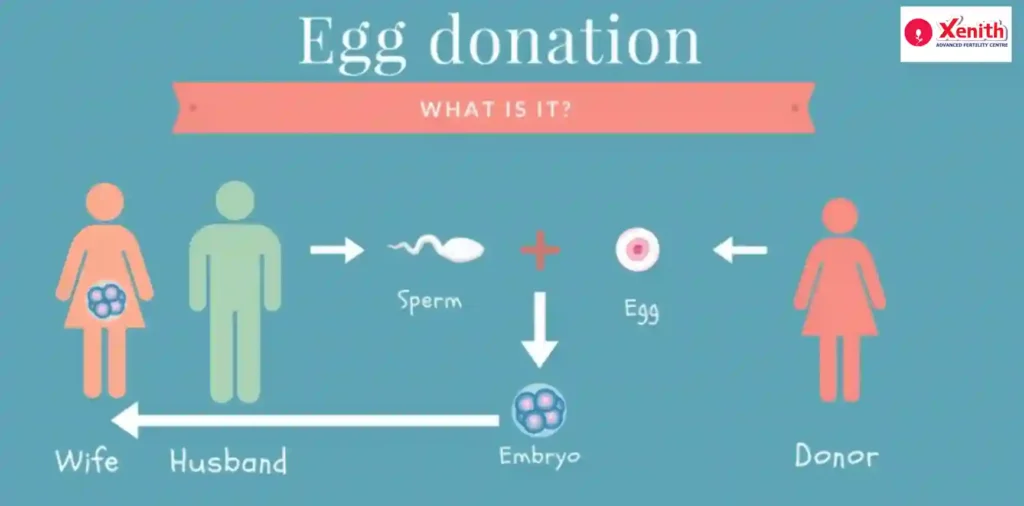
the most reliable path to pregnancy.
Here’s how it works:
- A healthy, screened egg donor is selected
- The donor eggs are fertilized with your partner’s (or donor) sperm
- The resulting embryo is transferred into your uterus
Your uterus can still carry a pregnancy beautifully with proper hormonal support. Many women struggle emotionally with the idea of using a donor egg—and that’s completely normal. Compassionate counseling and psychological support are a vital part of ethical POI care, helping you process grief, identity concerns, and hope together.
Other Advanced Options
Depending on individual circumstances, some clinics may also offer:
- In-house donor egg programs for faster coordination
- PGT-A (genetic testing) in rare cases where eggs are intermittently retrieved
Your options depend on timely evaluation and access to advanced reproductive care.
Specialized POI Care in Pune
The Need for an Expert Crisis Team
POI is not a routine fertility issue—it is a medical and emotional emergency. You need a team that understands both the hormonal complexities and the psychological impact of this diagnosis.
Specialized POI care requires:
- Fertility specialists
- Hormone management experts
- Genetic and autoimmune evaluation
- Emotional counseling support
Personalized Treatment in a High-Stress Environment
When you’re in crisis mode, you don’t need generic advice—you need a clear, immediate, and individualized plan. At advanced fertility centers like Xenith IVF in Pune, care is structured around urgency, empathy, and transparency.
You are listened to. Your fears are validated. And your treatment plan is tailored to your body, your goals, and your timeline.
POI Is an Urgent Diagnosis, Not a Final Sentence
A diagnosis of Premature Ovarian Insufficiency can feel overwhelming—but it is not the end of your story. With early diagnosis, proactive hormone management, and timely fertility intervention, you can protect your health and still achieve your dream of parenthood.
If you suspect POI—or have been told you’re “too young for menopause”—do not delay.
Schedule an urgent, confidential consultation with a fertility specialist at Xenith IVF in Pune today to secure your long-term health and explore your pregnancy options with clarity and compassion.