Worried about Pune’s air quality affecting your chances of becoming a father? Discover the scientific link between PM2.5 pollution and male infertility, and learn practical tips to protect your reproductive health in industrial Maharashtra.
The Invisible Threat to Urban Fertility
Is Pune’s Air “Cooking” Your Sperm?

Free Thursday Consultation
Book Your AppointmentIf you live in Pune, especially around areas like Chakan, Bhosari, or PCMC, this thought may have crossed your mind at least once:
“I eat healthy, I don’t smoke, I exercise regularly… then why is my sperm count low?”
This question is popping up more and more on online forums like Reddit’s r/maleinfertility, where men openly share their anxiety about fertility struggles despite doing “everything right.” This growing worry points to a silent crisis—environmental factors, especially air pollution, are becoming one of the leading causes of urban infertility.
Unlike smoking or alcohol, air pollution is an invisible culprit — a silent crises. You cannot see it, smell it clearly, or fully avoid it. Yet, it enters your body every single day and quietly affects your reproductive health.
The Science of PM2.5 and Reproductive Health
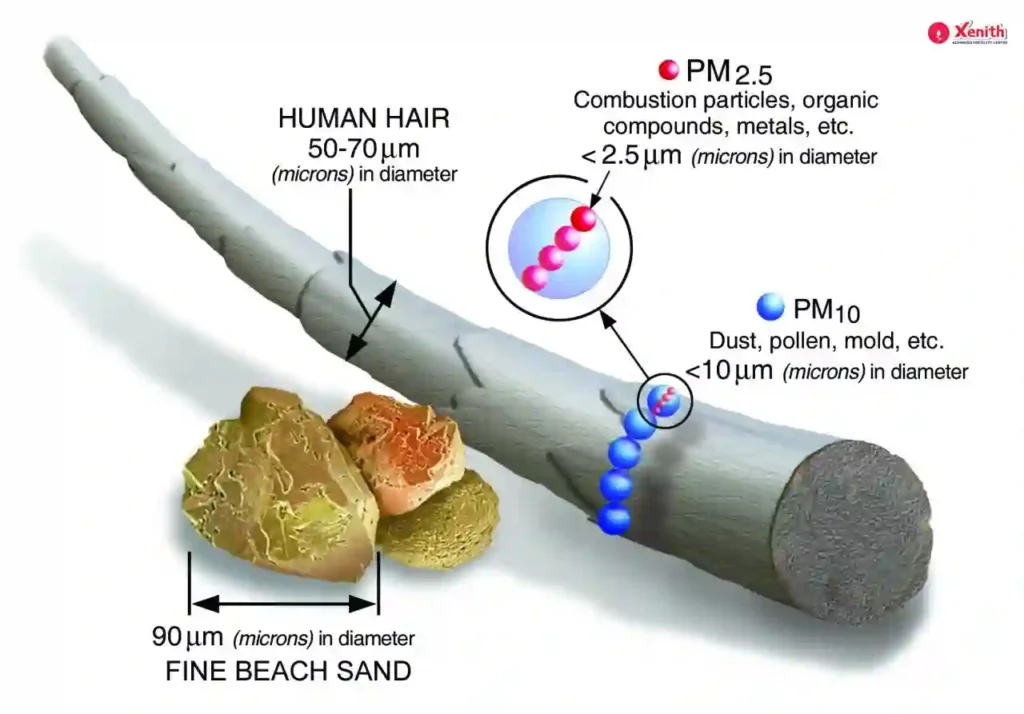
One of the biggest offenders in Pune’s air is PM2.5—tiny particulate matter that is 2.5 microns or smaller. These particles are so small that they bypass your nose and lungs and enter directly into your bloodstream.
Once inside, PM2.5 triggers chronic inflammation and oxidative stress. In simple words, it creates excess “free radicals” that damage healthy cells. The testes, where sperm is produced, are extremely sensitive to this kind of stress.
Over time, this pollution-induced inflammation can:
- Reduce sperm count
- Affect sperm movement (motility)
- Damage sperm structure and DNA
So yes, in a way, constant exposure to polluted air can slowly “overheat” and weaken sperm health, even in young and otherwise healthy men.
Industrial Hubs and the “Sperm DNA” Challenge
Life in Chakan, Bhosari, and PCMCPune’s rapid growth has turned areas like Chakan, Bhosari MIDC, and PCMC into major industrial and IT hubs. Thousands of professionals spend long hourshere, often commuting through traffic-heavy routes.
During winter months, pollution becomes even more concentrated. Cooler temperatures trap pollutants closer to the ground, creating a thick industrial smog. This means your daily exposure actually increases between October and February.
For men working in factories, IT parks, or logistics hubs, this exposure is not occasional—it’s continuous.
Understanding Sperm DNA Fragmentation
A common question couples ask is:
“Is the damage permanent?”
Pollution does not just reduce sperm numbers. It can cause Sperm DNA Fragmentation (SDF)—a condition where the genetic material inside the sperm breaks or becomes unstable.
This kind of damage can lead to:
- Difficulty in natural conception
- Repeated miscarriages
- Failed IVF or IUI cycles
- Poor embryo quality
The worrying part is that standard semen analysis cannot detect DNA damage. A report may look “normal,” yet conception still does not happen. This is where many couples feel confused and helpless.
The good news? In many cases, DNA damage is not permanent. With the right interventions, sperm quality can improve.
Mitigation and “Detox” Strategies
Creating a Low-Tox Environment at Home
You may not control Pune’s air, but you can control your personal exposure.
Practical Mitigation Tips:
- Use a high-quality HEPA air purifier, especially in the bedroom where you spend 7–8 hours daily.
- Track AQI levels using mobile apps and avoid outdoor walks during peak traffic or early mornings in winter.
- Ventilate smartly—open windows during lower pollution hours instead of keeping them open all day.
- Avoid plastic food containers, especially for hot food. BPA and plastic toxins add to hormonal stress.
- Reduce indoor pollutants like incense sticks, mosquito coils, and chemical cleaners.
Small daily changes can significantly reduce toxic load on your body.
The Antioxidant Defense System
Pollution creates oxidative stress. Antioxidants act like a protective shield.
Key nutrients that support sperm health:
- Vitamin C – improves sperm count and motility
- Vitamin E – protects sperm cell membranes
- Zinc – supports testosterone and DNA stability
Local diet tips:
- Add green leafy vegetables like palak, methi, and drumstick leaves
- Eat seasonal fruits such as oranges, guava, and amla
- Include nuts, seeds, and whole grains
Food cannot erase pollution exposure, but it helps your body repair damage faster.
Diagnostic Clarity at XenithIVF
Is Your Infertility Environmental?
For urban couples, guessing is exhausting. That’s why diagnosis matters.
At XenithIVF, we go beyond routine semen testing. The Sperm DNA Fragmentation (SDF) test helps identify hidden genetic damage caused by pollution, stress, or toxins.
Using advanced imaging and lab techniques, we can see what a standard report misses. This clarity helps couples avoid repeated failed attempts and emotional burnout.
Building a “Clean” IVF Cycle
For couples undergoing IVF or ICSI, we focus on creating a cleaner internal environment before sperm or egg collection.
Our protocols include:
- Short-term environmental detox plans
- Targeted antioxidant support
- Stress and sleep correction
- Lifestyle coaching designed for Pune’s work culture
The goal is not perfection, but maximum sperm quality at the right time.
Your Partner in a Changing City
Why Xenith IVF Understands Pune’s Environment
We are not outsiders looking at data—we live and work in Pune. We see daily how urban stress, pollution, and long work hours affect fertility outcomes.
Our approach is personalized and data-led, taking into account:
- Your workplace location
- Daily commute
- Seasonal pollution exposure
This local understanding makes a real difference.
Science-Backed Hope for Industrial Hub Families
Even in high-pollution zones, fatherhood is absolutely possible. With the right testing, timely intervention, and lifestyle corrections, many couples go on to have healthy pregnancies.
Hope is not blind optimism—it is science applied correctly.
Conclusion
Taking Back Control of Your Fertility
You may not be able to change Pune’s air overnight. But you can strengthen your body’s resilience against it.
Understanding pollution’s impact, reducing daily exposure, and choosing the right diagnostic path can bring you closer to your goal of parenthood.
Worried that urban pollution is sabotaging your fatherhood journey? Stop the guesswork. Book an advanced Male Fertility Assessment at Xenith IVF Pune today and discover your personalized path to a healthy pregnancy.