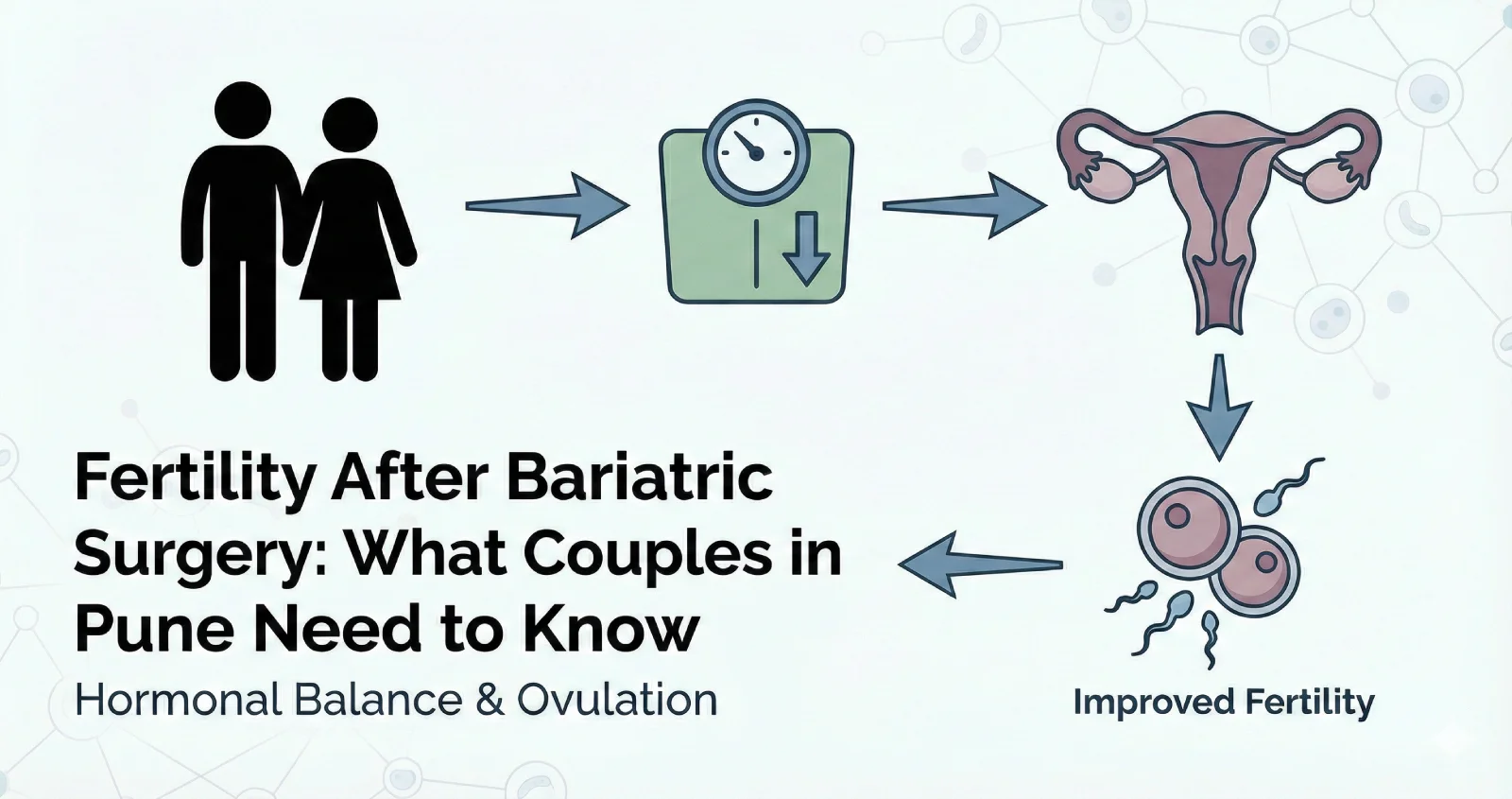
If you and your partner are planning a baby after bariatric (weight-loss) surgery, you are not alone. In Pune, more couples today are choosing bariatric surgery to manage obesity, PCOS, diabetes, and lifestyle-related health issues. What many don’t realise is that weight loss can strongly improve fertility—sometimes faster than expected.
But here’s the important part: fertility after bariatric surgery needs planning, patience, and the right medical guidance. A healthy pregnancy is not just about losing weight—it’s about timing, nutrition, and coordinated care.

Free Thursday Consultation
Book Your AppointmentLet’s walk through everything you need to know, step by step.
The Fertility–Weight Connection
Why Excess Weight Impacts Fertility
If you’ve been struggling to conceive, excess weight could be a hidden reason. Obesity affects fertility in both women and men, mainly through hormonal imbalance.
In women, extra fat tissue increases estrogen levels. This confuses the body and can stop regular ovulation. Many women with obesity also have PCOS, where insulin resistance leads to irregular periods, poor egg quality, and delayed ovulation.
In men, excess weight lowers testosterone and increases estrogen. This affects sperm count, motility, and morphology. Even libido and performance can be impacted.
So if you’ve been wondering, “Why are we doing everything right but still not conceiving?”—weight may be playing a bigger role than you think.
Bariatric Surgery as a “Fertility Reset”
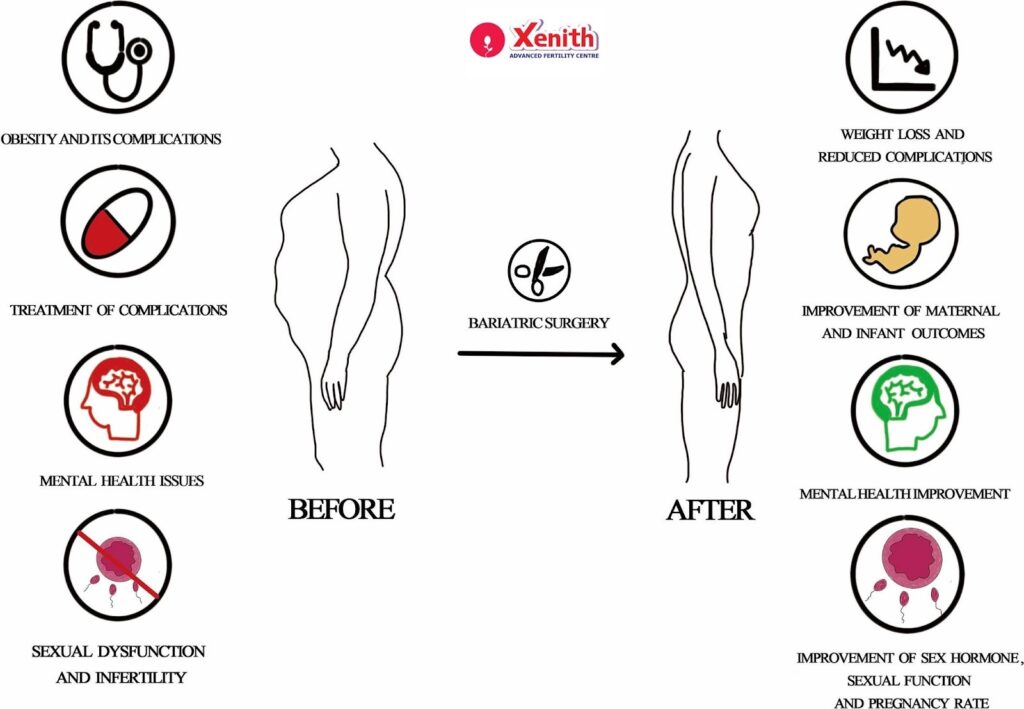
Bariatric surgery often works like a reset button for your hormones. As weight reduces, insulin resistance improves, estrogen levels normalise, and ovulation becomes more regular.
Many women report spontaneous periods within months after surgery. Some even conceive naturally—sometimes unexpectedly. If you’ve seen Reddit or forum posts about “surprise pregnancy after weight-loss surgery”, this is why.
For couples who have tried for years without success, this fertility boost can feel miraculous. But it also needs careful handling.

The Critical Timeline: Why You Must Wait
The 12–18 Month Rule
After bariatric surgery, doctors strongly recommend waiting 12 to 18 months before trying to conceive. This waiting period is not random—it’s based on how your body heals.
In the first year after surgery:
- You lose weight very rapidly
- Your calorie intake is limited
- Nutrient absorption is still unstable
Getting pregnant during this phase can increase risks for both mother and baby. These include low birth weight, anemia, vitamin deficiencies, and pregnancy complications.
Think of this phase as rebuilding your body. Once your weight stabilises, your chances of a healthy pregnancy improve significantly.
Managing the “Fertility Surge”
Here’s something many couples don’t expect: your fertility may increase quickly after surgery, even before you feel “ready”.
That’s why contraception is important during the rapid weight-loss phase. An early “surprise” pregnancy can be risky—especially for Indian women, who are already prone to iron and Vitamin B12 deficiency.
Planning doesn’t reduce your chances—it protects them.
Nutritional Essentials for Post-Op Pregnancy
The Indian Dietary Challenge
One of the biggest concerns couples raise on Quora and in clinics is:
“How will I meet nutrition needs with such small food portions?”
This concern is valid—especially if you’re vegetarian.
After bariatric surgery, you eat less, absorb less, and feel full faster. But fertility and pregnancy need strong nutritional support.
Key Micronutrients for Fertility
You need to pay special attention to:
- Vitamin B12 – crucial for egg quality, sperm health, and baby’s brain development
- Iron – prevents anemia and supports healthy pregnancy
- Folic Acid – reduces risk of neural tube defects
- Vitamin D – supports hormone balance and implantation
- Protein – essential for hormone production and fetal growth
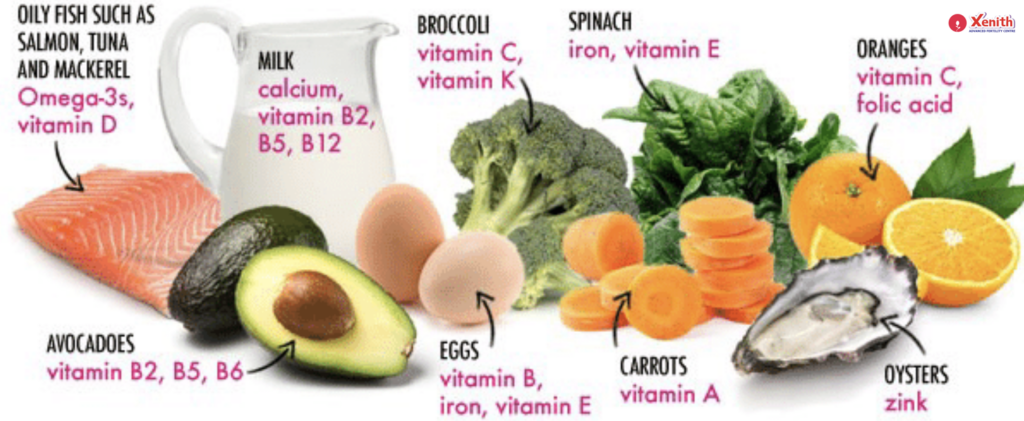
For vegetarian couples, getting enough protein and B12 through food alone is difficult. Supplements become non-negotiable—not optional.
Monitoring and Supplementation
Many deficiencies don’t show symptoms early. You may “feel fine” but still have low levels affecting fertility.
That’s why regular blood tests are critical after surgery—especially before trying to conceive or starting IVF. These tests help detect hidden issues that can impact egg quality, sperm DNA, and implantation.
Coordinating Your Care Path
Surgery First or IVF First?
This is a common and important question.
In general, bariatric surgery may be recommended before IVF if:
- BMI is above 35
- There is obesity-related PCOS or diabetes
- IVF attempts have failed earlier
- Infertility is primary (never conceived before)
However, age matters. If the female partner is in her late 30s, doctors may balance weight loss with fertility timelines.
There is no one-size-fits-all answer. What matters is individual diagnosis and planning.
The Role of the Specialized Fertility Team
This is where coordinated care makes all the difference.
At XenithIVF, fertility specialists work closely with bariatric surgeons across Pune. During your weight-loss journey, your fertility markers such as AMH (ovarian reserve) are monitored.
This ensures you don’t lose valuable reproductive time while improving your overall health.
The XenithIVF Advantage in Pune
Specialized Protocols for Post-Bariatric Patients
Post-bariatric bodies are different. Hormone absorption, medication response, and metabolism all change.
At XenithIVF, protocols are custom-designed for patients who have undergone weight-loss surgery. Stimulation doses, medication routes, and cycle planning are adjusted to suit your new metabolic profile.
This personalized approach increases success rates and reduces complications.
A Holistic Path to Fatherhood and Motherhood
Fertility is not just about procedures—it’s about the whole picture.
XenithIVF integrates:
- Nutritional counselling
- Lifestyle guidance
- Emotional support
- Advanced embryology techniques
You’re not just treated as a “case”—you’re supported as a couple starting a new chapter.
Your New Beginning Starts Here
Bariatric surgery can be a powerful tool to improve fertility—but it’s only the first step. The journey from weight loss to parenthood needs medical guidance, correct timing, and nutritional care.
Planning a family after your weight-loss journey? Don’t leave it to chance.
Schedule a consultation at XenithIVF Pune today and create your personalised post-bariatric fertility roadmap—with experts who truly understand your journey.
Your new beginning starts with the right support.