Fear the HSG test? You’re not alone. Get a transparent, step-by-step guide from a Pune specialist. We answer: Is it painful, how to prepare, and a clear breakdown of the HSG test cost in Pune for a stress-free experience.
Introduction – Addressing the Fear Head-On
The Truth About HSG: Why the Fear Is Real (But Often Overblown)
If your doctor has advised an HSG test, chances are your first reaction wasn’t calm acceptance—it was fear. You may have heard stories from friends, read anxious posts online, or simply felt uneasy about the idea of a “test involving dye and X-rays.” You’re not dramatic or overthinking it. The HSG test is genuinely one of the most feared fertility investigations.

Free Thursday Consultation
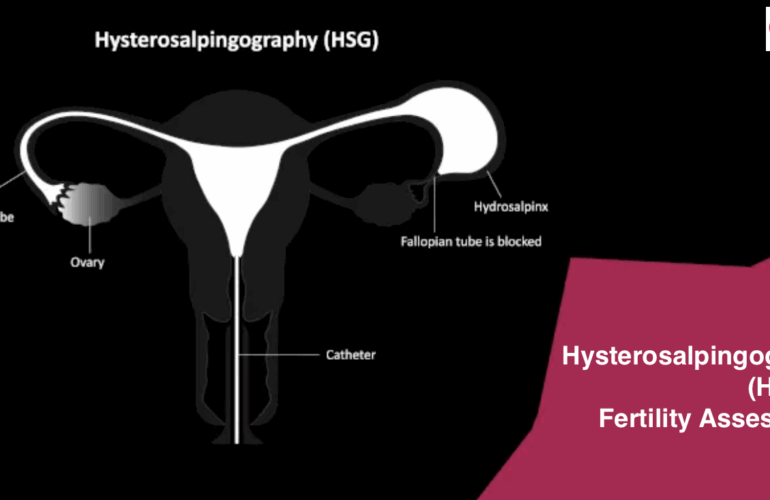
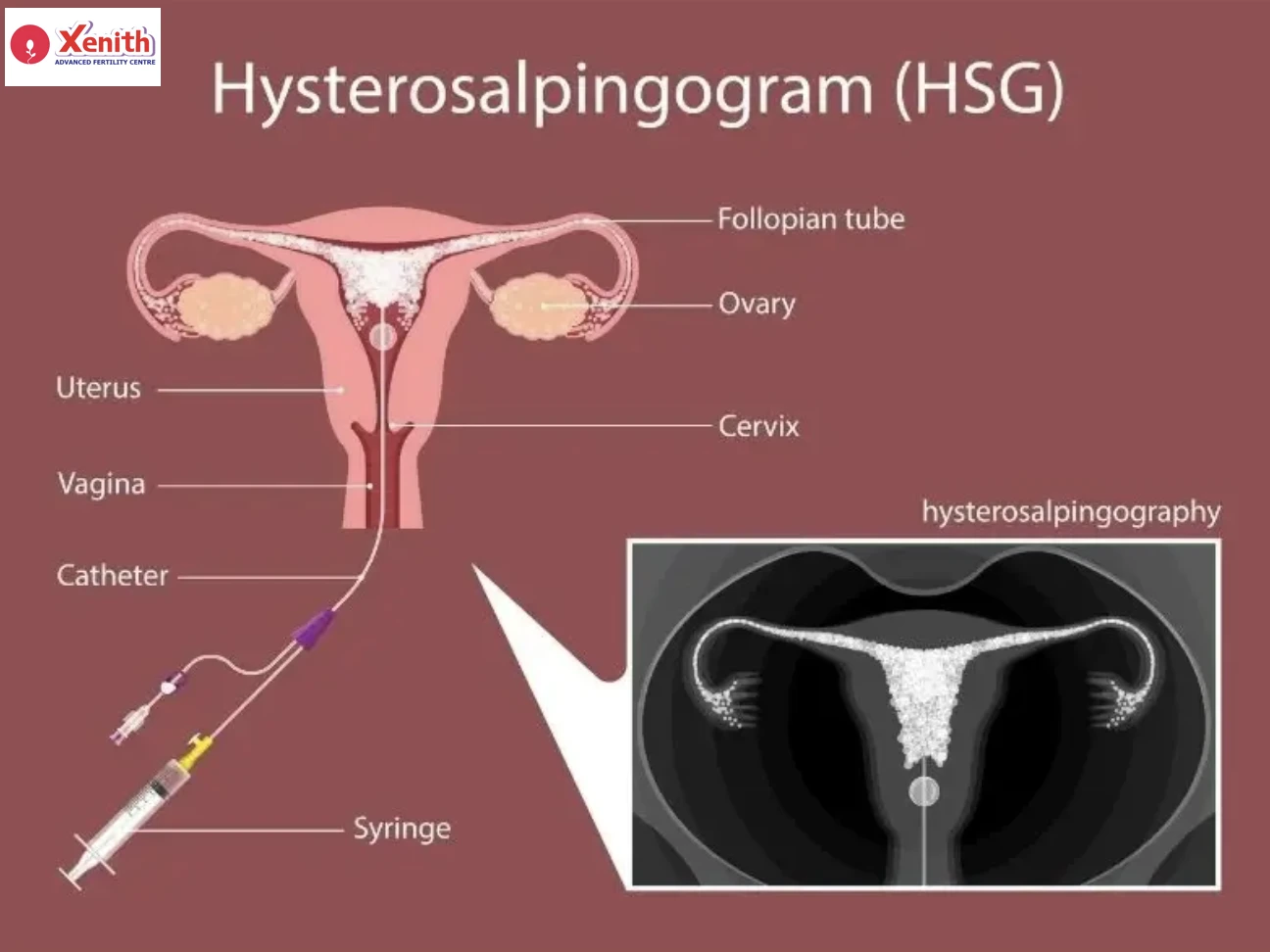
Book Your AppointmentAn HSG (Hysterosalpingogram) is a special X-ray procedure used to check whether your fallopian tubes are open and to evaluate the shape of your uterus. It plays a crucial role in diagnosing causes of infertility, recurrent pregnancy loss, or unexplained delays in conception.
But here’s the reassuring truth: while the fear around HSG is common, the actual experience is usually far less scary than imagined.
Your Goal: A Clear Diagnosis with Minimal Discomfort
You’re not doing this test “just because.” You’re doing it to get answers. And those answers can save you months—or even years—of uncertainty and emotional stress. This guide is written to help you understand exactly what happens during an HSG, how uncomfortable it really is, how to prepare properly, and how to make the experience as stress-free as possible in Pune.
Preparation Is Key: Making Your HSG Test Stress-Free
Scheduling the Test: The Importance of Timing
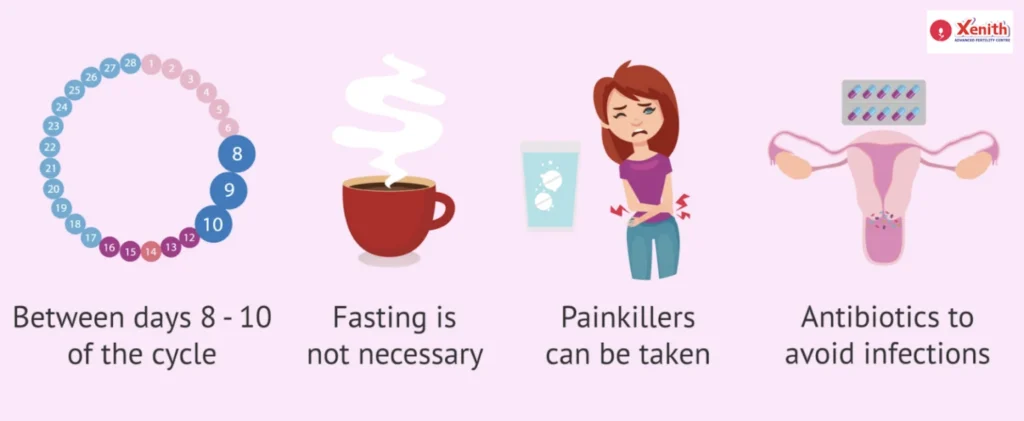
Timing matters more than most people realize. The HSG test is usually scheduled between Day 8 and Day 10 of your menstrual cycle, counting Day 1 as the first day of your period. This window is chosen to ensure:
- You are not pregnant
- The uterine lining is thin for clearer imaging
- The risk of infection is minimized
Pre-Test Checklist to Reduce Stress
- Confirm the exact date and time of your appointment
- Follow all instructions given by your clinic
- Keep prescribed pain relief ready
- Inform your doctor about iodine or contrast dye allergies
- Arrange for someone to accompany you or pick you up (optional, but comforting)
Feeling prepared automatically lowers anxiety—and anxiety itself plays a big role in how much discomfort you feel.
Pain Management: What to Take Before the Procedure
This is one of the most important stress-reducing steps. Most clinics recommend taking a mild pain reliever (like ibuprofen) about 30–60 minutes before the procedure. This helps reduce uterine cramping during dye injection.
Always follow your doctor’s advice—don’t self-medicate without guidance. Some clinics may also prescribe a preventive antibiotic to reduce infection risk.
The Step-by-Step HSG Procedure
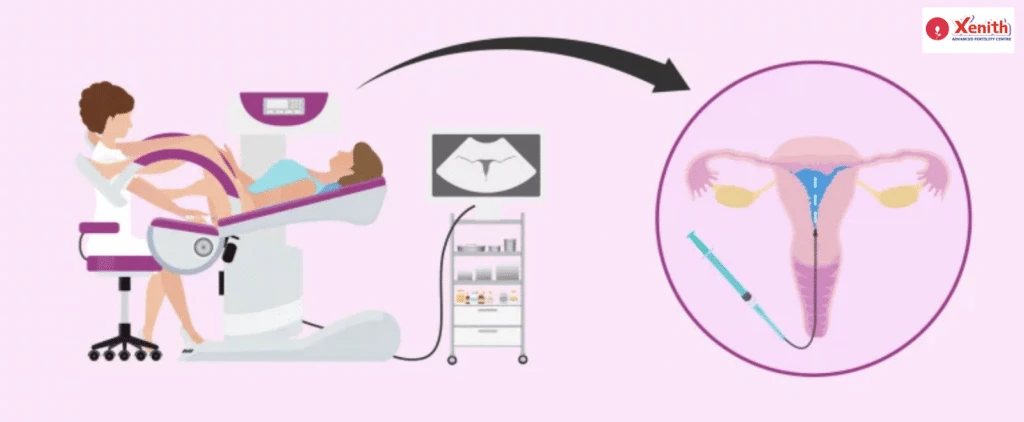
Inside the Clinic: What Happens from Start to Finish
Knowing what’s coming removes the fear of the unknown. Here’s what your HSG test typically looks like, step by step:
1. Check-in & Consent
You’ll complete brief paperwork and have a final discussion with the doctor or radiologist. Any last-minute questions are addressed here.
2. Positioning
You’ll lie on the X-ray table, similar to a pap smear position. This part feels familiar for most women.
3. Catheter Insertion
A speculum is gently inserted, and a thin catheter is placed through the cervix. This is usually where you may feel pressure or mild discomfort, but it lasts only a few seconds.
4. Dye Injection & X-Ray
Contrast dye is slowly injected into the uterus. As it flows through the uterus and fallopian tubes, X-ray images are taken. You may feel cramping or pressure, similar to strong menstrual cramps. This sensation typically lasts less than a minute.
5. Post-Procedure & Recovery
The catheter is removed, and you’ll rest for a few minutes. Most patients walk out on their own shortly after.
The entire procedure usually takes 10–15 minutes.
The Biggest Question: Is the HSG Test Painful?
The Reality of Sensation vs. Pain
Let’s be honest—but fair. The HSG test is uncomfortable, not unbearable. Most women describe it as menstrual cramping, not surgical or sharp pain. The discomfort peaks during dye injection and fades quickly once it’s over.
The sensation happens because the dye is gently pushing through the uterus and fallopian tubes. If the tubes are open, the dye flows smoothly and discomfort is often minimal and brief.
Factors That Influence Discomfort
Your experience can vary based on several factors:
- Blocked Tubes: If one or both tubes are blocked, pressure builds up, leading to stronger cramping
- Muscle Tension: Anxiety causes pelvic muscles to tighten, increasing discomfort
- Pain Threshold: Everyone’s tolerance is different—and that’s okay
- Technique of the Specialist: An experienced radiologist and a gentle, well-practiced technique make a significant difference
This is why choosing a trusted, experienced fertility center in Pune matters more than you may realize.
Financial Trust: IVF Cost in Pune vs. HSG Cost
HSG Cost in Pune: A Transparent Financial Breakdown
Compared to larger fertility treatments, the HSG test is relatively affordable. In Pune, the HSG test cost typically ranges from ₹3,000 to ₹7,000, depending on the clinic and facilities.
The Cost Usually Includes:
- Radiologist or technician fees
- Contrast dye
- X-ray imaging
- Basic post-procedure consultation
Always ask for a clear breakup before booking—transparency builds trust and reduces financial anxiety.
Beware of Hidden Fees: Questions to Ask Your Clinic
Before confirming your appointment, ask:
- Are pain relievers or antibiotics included or charged separately?
- Is there a separate consultation fee?
- What happens if I need to reschedule?
- Will I receive my report the same day?
A good clinic will answer these questions clearly, without hesitation.
Post-Test and Next Steps
After the Test: What to Expect
It’s normal to experience:
- Mild spotting or watery discharge for 24–48 hours
- Light cramping similar to period pain
You can usually resume normal activities the same day.
Call your doctor if you experience:
- Severe or increasing pain
- Heavy bleeding
- Fever or chills
These are rare, but it’s always better to be cautious.
Understanding Your Results
- Open tubes: This is reassuring and allows your doctor to focus on other fertility factors
- Blocked tubes: Don’t panic—this doesn’t automatically mean IVF. Further evaluation or treatment options will be discussed

The HSG test often provides the clarity needed to move forward with confidence.
Conclusion
Don’t Let Fear Delay Your Family
Your fear is understandable—but it doesn’t deserve control over your next step. The HSG test is quick, the discomfort is temporary, and the information it provides can be life-changing. Many women even conceive naturally in the months following the test.
Ready to take the next step?
Book your stress-free HSG consultation at Xenith IVF, Pune, and let compassionate experts guide you with clarity, care, and transparency—every step of the way.