Introduction: Uncovering the Genetic Layer of Infertility
Male infertility is more common than many people think. In fact, around 40–50% of infertility cases involve a male factor. While many people assume the problem is related to lifestyle, hormones, or physical blockage, sometimes the real reason lies much deeper in the genes.
In simple words, the genetic material we inherit from our parents controls many processes in the body, including sperm production. If there is a small change or abnormality in this genetic blueprint, it can affect how sperm are produced or whether sperm are produced at all.

Free Thursday Consultation
Book Your AppointmentThis is where genetic testing becomes important, especially for couples planning IVF or ICSI treatment. Two of the most important tests used to identify genetic causes of male infertility are:
- Y Chromosome Microdeletion (YCM) Test
- Karyotype Testing
These tests help fertility specialists understand whether there is a genetic reason behind low sperm count or absence of sperm. Once the cause is identified, doctors can guide couples toward the most suitable fertility treatment.
For couples in Pune considering IVF or fertility evaluation, these tests are often a key step before moving forward with advanced treatments.
Why Genetic Screening Matters in Male Infertility
Genetic causes of infertility often go unnoticed because they do not produce visible symptoms. A man may appear perfectly healthy, but sperm production may still be affected.
Some important reasons why genetic testing matters include:
- Sperm production is highly controlled by genes. Even a tiny missing genetic segment can disrupt the process.
- It helps explain unexplained infertility, especially when sperm count is extremely low.
- It prevents unnecessary treatments, since doctors can predict the chances of sperm retrieval.
- It helps couples make informed IVF decisions, including the possibility of genetic testing of embryos.
- It helps understand the risk of passing genetic conditions to future children.
In short, genetic screening helps move the fertility journey from uncertainty to clarity.

Who Needs Genetic Testing Before IVF/ICSI?
Not every man undergoing fertility treatment needs genetic testing. However, doctors usually recommend it in specific situations.
Typical cases where genetic testing is advised include:
- Severe Oligospermia – extremely low sperm count.
- Non-obstructive Azoospermia – no sperm present in the semen due to production failure.
- Repeated IVF failure or implantation failure.
- History of recurrent miscarriages in the couple.
- Abnormal sperm parameters that cannot be explained by other medical conditions.
In such cases, tests like Y Chromosome Microdeletion and Karyotype analysis help doctors understand the root cause before proceeding with treatments like TESE or ICSI.
Y Chromosome Microdeletion (YCM)—The Key Sperm Production Gene Check
The Y chromosome is responsible for male characteristics and also plays a major role in sperm production. If a small section of this chromosome is missing, it can affect the ability of the testes to produce sperm.
This condition is known as Y Chromosome Microdeletion (YCM).
What is Y Chromosome Microdeletion?
A Y Chromosome Microdeletion means that a tiny fragment of genetic material is missing from the Y chromosome. Even though the missing part is very small, it may contain genes that are essential for sperm production.
The Y chromosome has three important regions involved in spermatogenesis (sperm formation):
- AZFa region – Important for early stages of sperm cell development.
- AZFb region – Plays a role in the maturation of sperm cells.
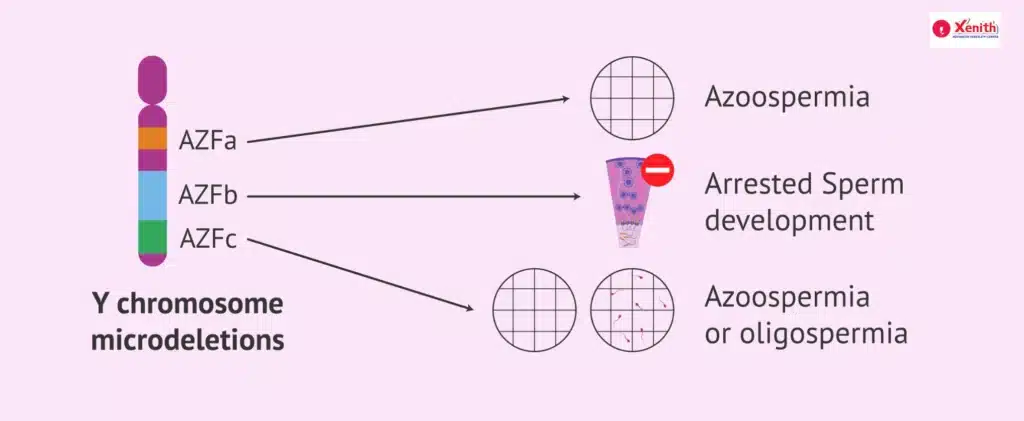
AZFc region – Responsible for producing mature sperm.
If any of these regions are missing or deleted, sperm production can be affected to different degrees.
The Clinical Impact of Each AZF Deletion
The type of deletion found during the YCM test can give doctors an idea about the chances of retrieving sperm from the testes through surgical procedures like TESE (Testicular Sperm Extraction).
Here is how each deletion usually affects fertility:
AZFa Deletion
- Often linked with Sertoli Cell-Only Syndrome, where sperm-producing cells are absent.
- The chances of retrieving sperm through TESE are extremely low.
AZFb Deletion
- Associated with severe failure of sperm maturation.
- TESE success rates are generally very poor.
AZFc Deletion
- This is the most common and relatively favourable deletion.
- Some men with AZFc deletion still produce small amounts of sperm.
- In many cases, sperm can be successfully retrieved through TESE and used in ICSI treatment.
AZFabc Deletion
- This involves deletion of all regions.
- It usually indicates complete absence of sperm production, making biological parenthood very difficult.
Understanding the type of deletion helps doctors avoid unnecessary surgeries and guide couples toward the best possible options.
Karyotype Testing—Identifying Chromosomal Abnormalities
While Y Chromosome Microdeletion testing focuses only on the Y chromosome, Karyotype testing examines the entire set of chromosomes.
Humans normally have 46 chromosomes, arranged in 23 pairs. If there is an extra chromosome or structural change, it can affect fertility.
What is a Karyotype Test?
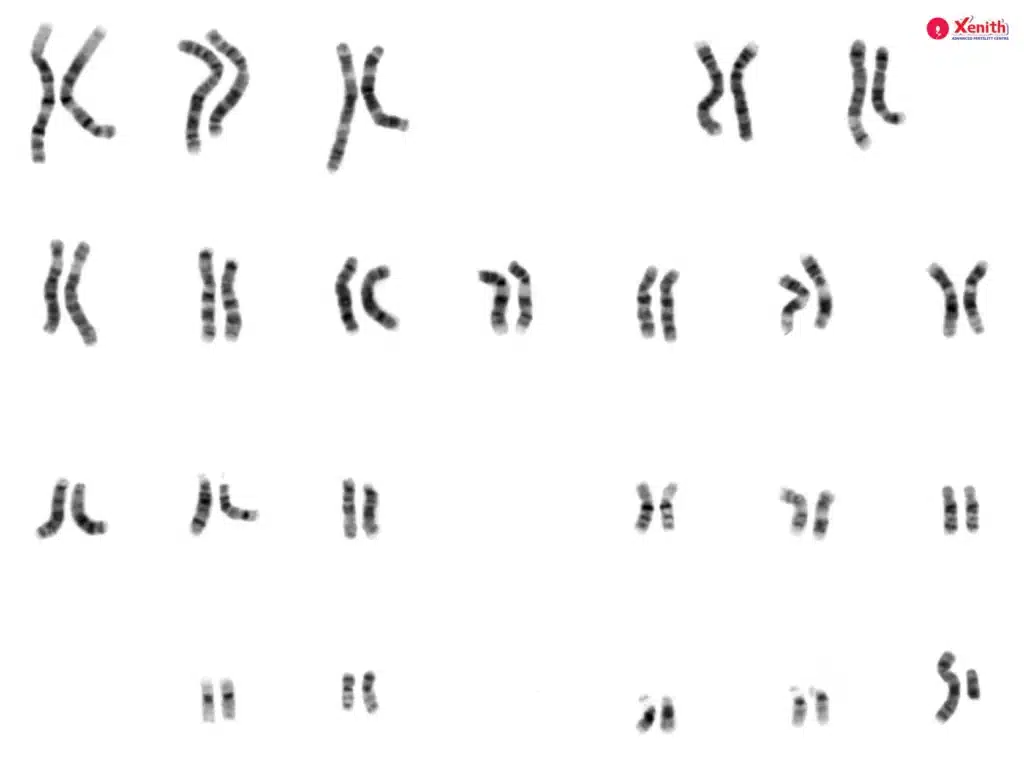
A Karyotype test is essentially a chromosome map of a person’s genetic material.
This test helps doctors:
- Count the number of chromosomes.
- Identify extra or missing chromosomes.
- Detect structural changes like rearrangements or translocations.
The test is done through a simple blood sample, and the results show whether the chromosomes are normal or if there are abnormalities that could affect fertility.
Common Abnormalities in Male Infertility
Some chromosomal conditions are more commonly seen in men with infertility.
Klinefelter Syndrome (47,XXY)
This is one of the most common genetic causes of male infertility.
In this condition:
- Instead of the usual XY chromosomes, the male has XXY.
- Testes remain smaller and produce very little or no sperm.
- Hormone levels may also be affected.
However, with advanced fertility treatments, some men with Klinefelter syndrome can still have sperm retrieved through surgical techniques.
Chromosomal Translocations
Translocations occur when segments of chromosomes exchange places.
There are two types:
- Balanced translocation – Genetic material is rearranged but not lost.
- Unbalanced translocation – Some genetic material is missing or duplicated.
Men with balanced translocations may still produce sperm, but the sperm may carry abnormal chromosomes. This can lead to:
- Repeated miscarriages
- Failed embryo implantation
- Genetic conditions in the child
This is why detecting these abnormalities before IVF is very important.
Integrating Genetic Results into the IVF Decision
Once genetic testing results are available, fertility specialists use this information to design the most suitable treatment strategy.
These results help answer important questions:
- Can sperm be retrieved surgically?
- Is IVF with ICSI possible?
- Is donor sperm a better option?
- Should embryos undergo genetic testing before transfer?
Genetic Counselling: Understanding Your Results
Genetic test reports can be complex, which is why genetic counselling is an essential part of fertility treatment.
A fertility specialist and genetic counsellor help couples understand:
- What the genetic result means.
- The chances of retrieving sperm.
- The possibility of passing genetic conditions to children.
For example, if a man has an AZFc deletion, any male child conceived biologically will inherit the same deletion. Knowing this allows couples to make informed reproductive decisions.
Treatment Protocols Based on Genetic Findings
Treatment plans are customized based on the type of genetic abnormality found.
For men with AZFc deletion
- TESE may successfully retrieve sperm.
- Retrieved sperm can be used in ICSI treatment.
For severe deletions or Klinefelter syndrome
- Surgical sperm retrieval may still be attempted.
- If sperm cannot be found, donor sperm may be considered.
For chromosomal translocations
- Doctors may recommend PGT-SR (Preimplantation Genetic Testing for Structural Rearrangements).
- This helps identify embryos with normal chromosomes before transfer.
With the help of modern reproductive medicine, many couples with genetic infertility can still achieve a healthy pregnancy.
FAQs: Common Questions on Genetic Testing
No. It is usually recommended for men with severe oligospermia or azoospermia. It is also an important step before procedures like TESE to determine whether sperm retrieval is possible.
Not necessarily. Men with AZFc deletions often still have sperm present in the testes, which can be retrieved and used for ICSI. However, for AZFa or AZFb deletions, the chances are extremely low.
It depends on the condition. For example, men with AZFc deletion will pass the deletion to their sons. For chromosomal translocations, there may be a higher risk of miscarriage or genetic disorders, which can be managed using PGT testing during IVF.
Yes. Many specialized IVF centres offering male factor infertility treatment in Pune provide Y Chromosome Microdeletion testing, Karyotype analysis, and genetic counselling as part of advanced fertility evaluation.
Conclusion: Taking the Next Step with Confidence
Facing infertility can feel overwhelming, especially when the cause is not clear. Genetic testing provides an important piece of the puzzle by revealing whether chromosomal or gene-level changes are affecting sperm production.
Tests like Y Chromosome Microdeletion and Karyotype analysis help fertility specialists predict treatment success, guide couples toward the right options, and avoid unnecessary procedures. With the right diagnosis, expert counselling, and modern IVF techniques, many couples can still achieve their dream of parenthood.
Ready to understand the full picture of your fertility journey?
Schedule a confidential consultation with our male fertility and genetic experts at Xenith IVF, Pune, and take the next informed step toward building your family.