
Introduction: The Critical Role of the Luteal Phase
For many couples trying to conceive, the focus is often on ovulation and egg quality. But the the luteal phase is an equally important stage comes after ovulation. This phase plays a crucial role in preparing the body for pregnancy.
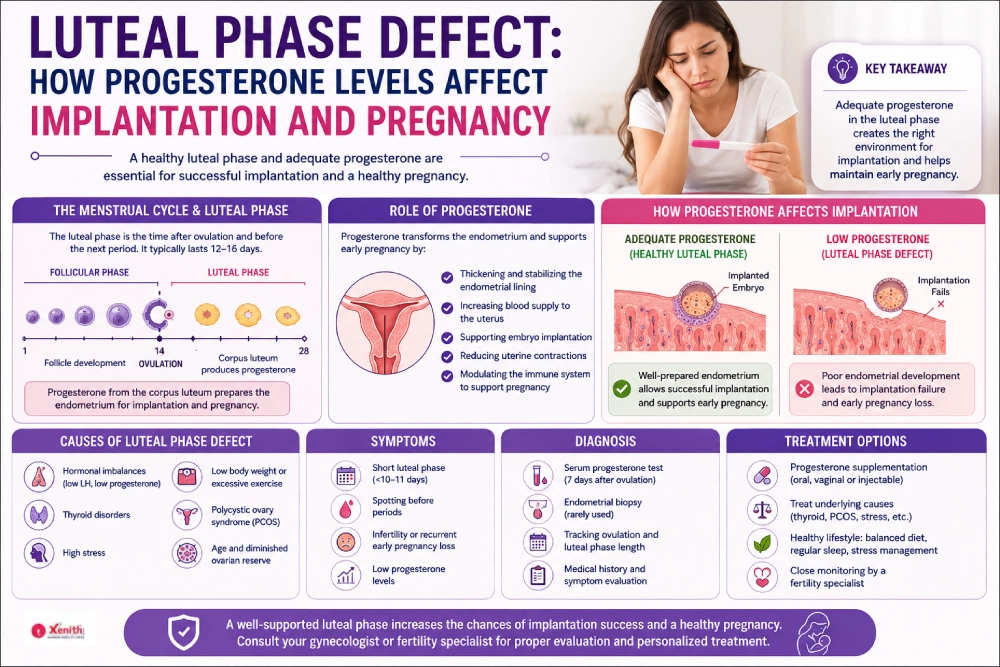
The luteal phase begins right after ovulation and lasts until the start of the next menstrual period. During this time, a hormone called progesterone is released to prepare the uterus for pregnancy. You can think of this hormone as the support system that helps the embryo settle comfortably in the uterus.

Free Thursday Consultation
Book Your Appointment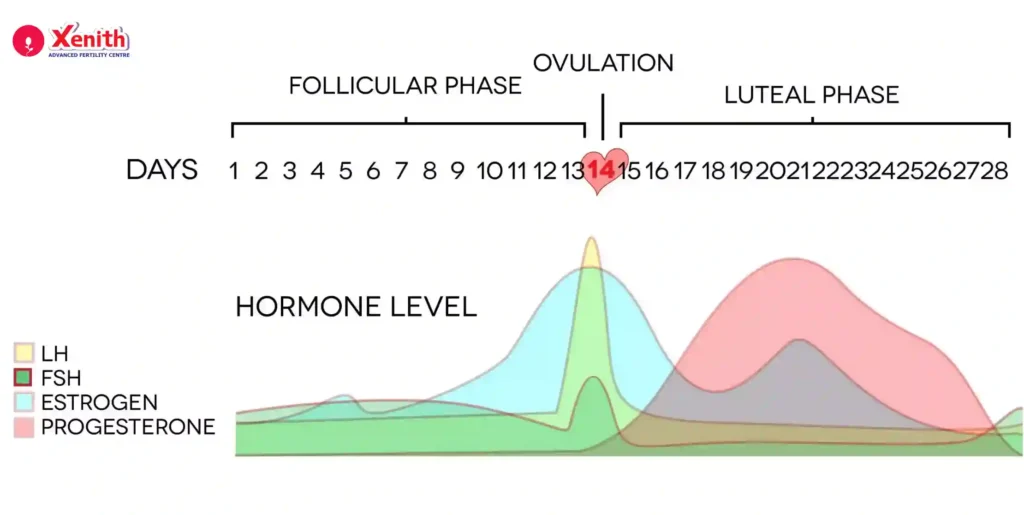
as the support system that helps the embryo settle comfortably in the uterus.
However, in some women, the body does not produce enough progesterone or the luteal phase is too short. This condition is known as Luteal Phase Defect (LPD).
LPD is considered one of the hidden gaps in fertility. It can lead to implantation failure during IVF or recurrent early miscarriage. The good news is that once diagnosed, LPD is highly manageable with proper medical treatment.
For couples in cities like Pune who are navigating fertility challenges, understanding LPD can bring both clarity and hope.
Why Progesterone is the Key to Implantation
Progesterone is often called the “pregnancy hormone.” Without adequate progesterone, even a healthy embryo may struggle to implant.
Here is why progesterone is so important:
- Prepares the uterine lining: Progesterone thickens the uterine lining (endometrium), making it soft and receptive for embryo implantation.
- Supports early pregnancy: After implantation, progesterone helps nourish the embryo until the placenta forms.
- Prevents uterine contractions: It keeps the uterus calm so that the embryo can attach securely.
- Maintains the pregnancy environment: Progesterone stabilizes the uterine lining and prevents early shedding.
A simple way to understand this is: progesterone acts like the “cement” that holds the early pregnancy in place.
Who Should Be Concerned About LPD?
Not every woman experiences LPD, but some groups may have a higher risk.
Women who should consider evaluation for LPD include:
- Those with recurrent early miscarriages
- Women experiencing repeated implantation failure during IVF
- Women with a short menstrual cycle, especially when the luteal phase lasts less than 10 days
- Those with unexplained infertility despite normal ovulation
Many women in Pune juggling work stress, travel, and lifestyle pressures may not even realize that a short luteal phase could be affecting their fertility.
The important point to remember is that LPD is treatable once identified.
Luteal Phase Defect (LPD)—A Deficiency in Time and Hormone
Luteal Phase Defect can occur for two main reasons: insufficient progesterone production or a shortened luteal phase.
In simple terms, the uterus does not get enough time or hormonal support to prepare properly for pregnancy.
This can create an environment where implantation becomes difficult, even when the egg and sperm are healthy.
What is Luteal Phase Defect?
Luteal Phase Defect occurs when the uterine lining is not adequately prepared for embryo implantation.
Here is how it happens:
- After ovulation, the ovary forms a structure called the corpus luteum.
- The corpus luteum produces progesterone.
- Progesterone thickens and stabilizes the uterine lining.
In LPD:
- The corpus luteum may not function properly, or
- The progesterone levels may remain too low, or
- The luteal phase may be too short for proper implantation.
As a result, the uterine lining may not be strong enough to support early pregnancy.
The Clinical Impact on Conception
The uterus is like the “home” where the embryo needs to settle.”
Even if an embryo is perfectly healthy, implantation can fail if the uterine lining is not ready. In cases of LPD:
- The embryo may fail to implant during IVF cycles
- Implantation may occur but end in early miscarriage
This is why LPD is strongly associated with implantation failure and recurrent pregnancy loss.
The encouraging news is that with proper diagnosis and luteal phase support, many women go on to achieve healthy pregnancies.
Causes and Diagnostic Testing
Understanding the underlying cause of progesterone deficiency is an important step in treatment.
Many lifestyle, hormonal, and medical factors can influence progesterone production.
What Causes Progesterone Deficiency?
Several factors can interfere with normal progesterone production:
- High stress levels
- Intense physical exercise
- Thyroid disorders
- High prolactin levels
- Polycystic Ovary Syndrome (PCOS)
- Hormonal suppression during IVF treatments
- Poor corpus luteum function
In busy urban environments like Pune, factors such as stressful work schedules, sleep disturbance, and lifestyle imbalance can also indirectly affect hormonal health.
This is why fertility specialists often evaluate the entire hormonal profile before making a diagnosis.
How LPD is Diagnosed by a Specialist
Diagnosing LPD requires looking at both hormone levels and cycle timing.
A fertility specialist may recommend:
1. Progesterone Blood Tests
Repeated progesterone tests are performed during the luteal phase to check whether levels are sufficient to support implantation.
2. Basal Body Temperature (BBT) Charting
Tracking daily body temperature helps confirm ovulation and determine the length of the luteal phase.
3. Cycle Monitoring
Ultrasound monitoring may also be used to track ovulation and hormonal patterns throughout the cycle.
These tests help doctors determine whether progesterone levels are adequate for implantation.
Treatment Protocols for LPD
Once LPD is diagnosed, treatment usually focuses on Luteal Phase Support (LPS).
This treatment helps provide the progesterone that the body may not be producing naturally.
With the right support, the uterine lining becomes more receptive to embryo implantation.
Luteal Phase Support (LPS): Supplementing the Gap
Luteal Phase Support is a standard fertility treatment used in:
- Natural conception cycles with LPD
- IVF and assisted reproductive treatments
- Women with recurrent miscarriage
A fertility specialist carefully determines the dose, type, and duration of progesterone supplementation based on each patient’s condition.
The goal is simple: create the ideal environment for embryo implantation and early pregnancy growth.
Options for Progesterone Supplementation
Several forms of progesterone supplementation are available.
Vaginal Progesterone (Gels or Suppositories)
This is one of the most commonly used methods. It delivers progesterone directly to the uterus, creating a high local concentration with fewer systemic side effects.
Injectable Progesterone (Intramuscular)
This form is sometimes used in severe cases or specific IVF protocols. It provides a strong and consistent progesterone level in the body.

provides a strong and consistent progesterone level in the body.
Oral Progesterone (Tablets)
Oral medications may be used in milder cases or alongside other treatments, depending on the patient’s needs.
The choice of treatment is always individualized and guided by a fertility specialist.
FAQs: Common Questions on LPD and Progesterone
Yes. LPD is essentially a problem with reproductive hormones, mainly low progesterone levels or poor corpus luteum function. The positive aspect is that this hormonal imbalance is very treatable with proper medical care.
Yes, in most IVF cycles progesterone supplementation is essential. The egg retrieval process often disrupts the body’s natural hormone production. Therefore, doctors provide luteal phase support to maintain a healthy uterine environment.
The duration varies from patient to patient. However, progesterone supplementation usually continues until about 10–12 weeks of pregnancy, when the placenta becomes capable of producing progesterone on its own.
Yes. Progesterone supplementation has been used safely in fertility treatment for many years. It supports the natural hormonal environment needed for a stable and healthy early pregnancy.
Conclusion: Taking the Next Step with Confidence
Luteal Phase Defect may feel like a confusing diagnosis, but it is not a roadblock to pregnancy. In fact, identifying LPD often provides the missing piece in many fertility journeys. With proper testing and the right luteal phase support, doctors can create the hormonal environment needed for successful implantation and pregnancy.
For couples experiencing recurrent miscarriage or IVF implantation failure, addressing progesterone deficiency can significantly improve outcomes.
If you are facing repeated implantation failure or early pregnancy loss, don’t let Luteal Phase Defect remain the hidden gap in your fertility journey.
Schedule a confidential consultation with the fertility experts at Xenith IVF, Pune to discuss your personalized Luteal Phase Support plan and take the next step toward a healthy pregnancy.