Seeing a positive pregnancy test after weeks, months, or even years of trying to conceive is an unforgettable moment. Whether you’ve conceived naturally or through IVF, those two lines often bring excitement, relief, and hope for the future. That is why it can be so heartbreaking when, just a few days later, another test becomes lighter or even negative, or your blood test shows that the pregnancy hormone is falling.
One of the hardest conversations I have with patients is explaining a chemical pregnancy. Many ask me, “Was I really pregnant?” Others wonder, “Did I do something wrong?” or “Will this affect my chances next time?”

Free Thursday Consultation
Book Your AppointmentIf you’ve recently experienced a chemical pregnancy, I want you to know that these questions are completely understandable. In this article, I’ll explain what a chemical pregnancy is, why it happens, and what it means for your future fertility and treatment.
What Is a Chemical Pregnancy?
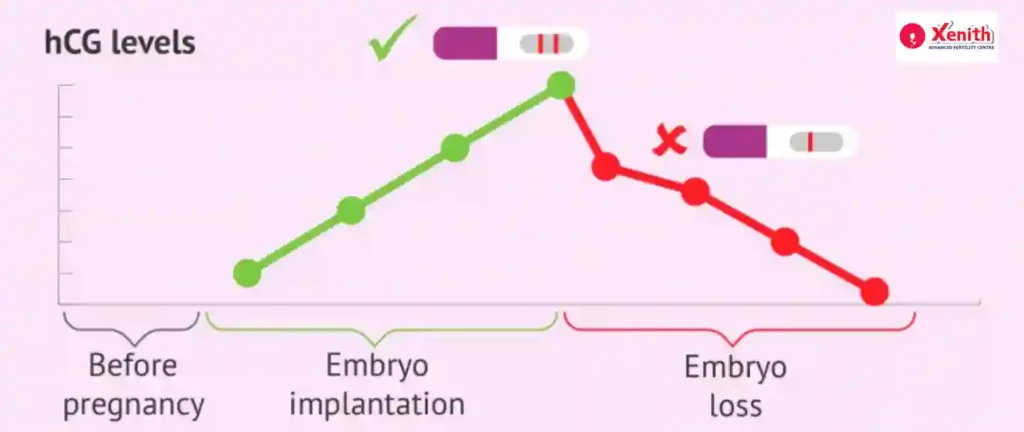
A chemical pregnancy is a very early pregnancy loss. It occurs when a fertilized embryo implants just enough to produce human chorionic gonadotropin (hCG), the hormone detected by pregnancy tests, but stops developing before a pregnancy can be seen on an ultrasound scan.
In simple terms:
- You receive a positive pregnancy test because hCG is present.
- Before a gestational sac becomes visible on ultrasound, the pregnancy stops developing.
- The hCG level begins to fall, and bleeding usually follows.
This is why a chemical pregnancy is detected through blood tests or home pregnancy tests rather than ultrasound imaging. Many patients ask me whether this means they were “really pregnant.” The answer is yes. Fertilization and implantation had begun, which is why hCG was produced. The pregnancy simply ended at a very early stage before it became clinically visible.
How Common Is a Chemical Pregnancy?
Chemical pregnancies are much more common than many people realize. In fact, many occur before a woman even knows she is pregnant. If pregnancy testing were performed very early in every cycle, we would likely detect many more chemical pregnancies than we currently do.
I often explain to patients that a chemical pregnancy is unfortunately one of the most common forms of early pregnancy loss. This is also true after fertility treatment.
A chemical pregnancy after IVF can occur despite transferring a good-quality embryo and following every instruction carefully. Because IVF involves routine blood testing shortly after embryo transfer, these very early pregnancies are identified more frequently than they might be in natural conception.
While that knowledge does not make the experience easier, it can help patients understand that they are not alone.
What Causes a Chemical Pregnancy?
One of the first things I tell my patients is this:
A chemical pregnancy is almost never caused by something you did.
Patients often blame themselves. They worry that they walked too much, climbed stairs, returned to work too soon, lifted something heavy, or ate the wrong food. In the overwhelming majority of cases, none of these activities causes a chemical pregnancy.
The most common cause is that the embryo has chromosomal abnormalities that prevent it from continuing to develop normally. Nature has its own quality-control mechanisms, and many embryos with significant chromosomal problems stop developing very early. This happens before a pregnancy can continue into the later stages.
Although other medical factors may occasionally contribute depending on the individual situation, most chemical pregnancies occur because the embryo itself was not able to develop normally, not because of anything the patient did or failed to do.
What Are the Signs of a Chemical Pregnancy?
The symptoms can vary from one woman to another. Some women experience very few symptoms, while others notice changes that prompt further testing.
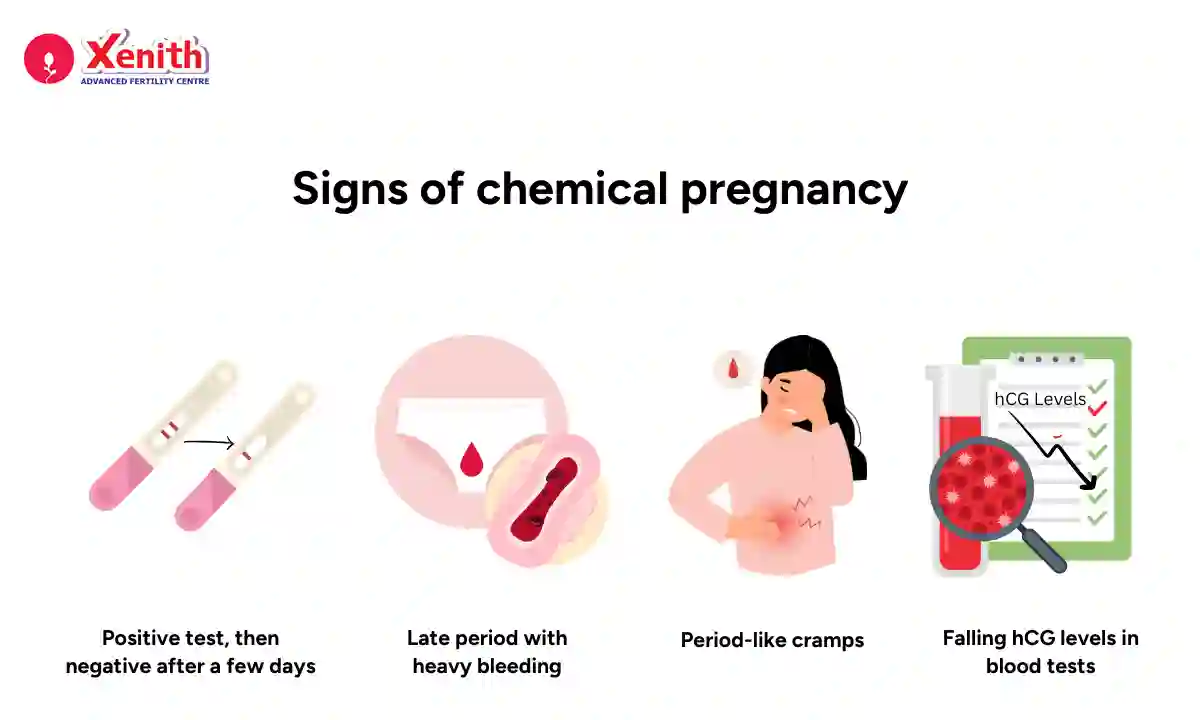
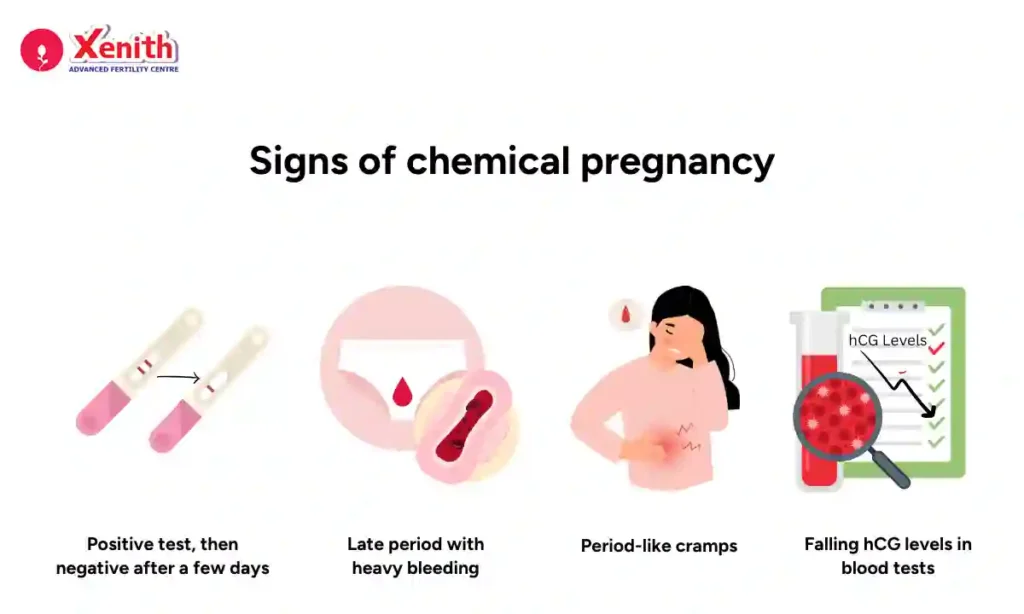
Common chemical pregnancy symptoms include:
- A positive pregnancy test followed by a negative test a few days later
- A delayed menstrual period
- Light spotting that progresses to bleeding
- Menstrual bleeding that may be slightly heavier than usual
- Mild cramping
- Falling hCG levels on repeat blood tests
One of the most common online searches I see is “positive then negative pregnancy test.”
While there are several possible explanations for this, a chemical pregnancy is one of the important reasons that your fertility specialist may consider. For women undergoing IVF, repeat blood tests showing declining hCG levels usually confirm the diagnosis.
Will a Chemical Pregnancy Affect Future Fertility?
Fortunately, the answer is usually reassuring. For most women, a single chemical pregnancy does not reduce future fertility or significantly affect the chances of success in a future IVF cycle.
In fact, I often tell my patients that a chemical pregnancy demonstrates that fertilization and early implantation were able to occur. While the pregnancy did not continue, the embryo successfully reached the uterus and implantation had begun. Many women go on to have healthy pregnancies after experiencing a chemical pregnancy, whether naturally or through fertility treatment.
Following a chemical pregnancy after IVF, we carefully review the treatment cycle, embryo quality, and any other relevant factors before planning the next transfer. In many situations, the next IVF cycle proceeds without requiring major changes to the treatment plan. Every patient’s history is different, but one isolated chemical pregnancy is generally not considered a sign that future treatment will fail.
When Does a Chemical Pregnancy Need Further Investigation?
Although one chemical pregnancy is unfortunately common, repeated early pregnancy losses deserve closer evaluation.
If you’ve experienced two or more chemical pregnancies, your fertility specialist may recommend additional investigations to look for underlying factors that could be contributing to recurrent pregnancy loss. The exact evaluation depends on your medical history and previous treatment, but the goal is to identify whether there is an underlying issue that requires attention before another pregnancy attempt.
Your Feelings Are Valid
One part of this conversation is just as important as the medical explanation. A chemical pregnancy is often described as an “early” pregnancy loss. But for the person who received that positive pregnancy test, began imagining the future, and then had those hopes suddenly interrupted, it is still a real loss.
I’ve had patients apologise for being upset because they felt the pregnancy “wasn’t far enough along.” I always tell them the same thing. Your feelings do not depend on how many weeks pregnant you were.
Hope begins the moment you see a positive result, and disappointment is real when that hope ends unexpectedly. Allow yourself time to process what has happened. There is no right or wrong way to grieve an early pregnancy loss.
Final Thoughts
A chemical pregnancy is an early miscarriage that occurs after implantation has begun but before a pregnancy can be seen on ultrasound. Although it can be emotionally devastating, it is usually caused by chromosomal abnormalities in the embryo rather than anything you did.
For most women, a single chemical pregnancy does not reduce future fertility or prevent a successful pregnancy in the future. Many patients go on to conceive naturally or have healthy pregnancies through IVF after experiencing this type of early loss.
If you’ve recently experienced a chemical pregnancy, you don’t have to navigate the next steps alone. During your consultation, we’ll review your treatment history, interpret your hCG results, answer your questions, and discuss the most appropriate plan for your next cycle. Whether you’ve conceived naturally or experienced a chemical pregnancy after IVF, our goal is to support you with both medical guidance and compassionate care as you move forward.